If you are hunting for the coolest sleeve tattoos for women, here is the thing I wish someone had told me earlier: a great sleeve is not a collection of good tattoos, it is one design that happens to cover an arm.
That single shift in thinking is what separates the sleeves that stop people mid-conversation from the ones that look like a crowded noticeboard.
I have spent a lot of hours in studios looking at arms in progress, and the pattern is consistent. The pieces that read beautifully were planned as a whole from the first session, even when they were tattooed over three years.
Below I have pulled together the styles that consistently work on a woman’s arm, what each one actually costs you in sessions and upkeep, and the planning decisions that matter most. If you are still deciding on scale, half sleeve tattoos are a lower-commitment place to start.
Which Sleeve Style Is Right for You?
Every style trades something. This is the honest version of that trade-off, based on what I have seen hold up over time rather than what looks best in a fresh-ink photo.
| Style | Best If You Want | Ages Like | Session Load |
|---|---|---|---|
| Floral / botanical | Soft, feminine flow that fills the arm naturally | Very well in black and grey; colour fades sooner | Moderate — easy to build in stages |
| Black & grey realism | Photographic depth and drama | Well if spaced generously; soft detail blurs | Heavy — the longest of the group |
| Fine-line & geometric | Clean, modern, minimal | The least forgiving — thin lines spread over time | Light to moderate |
| Watercolour / illustrative | Painterly colour and movement | Needs an outline to hold shape long term | Moderate |
| Traditional / neo-traditional | Bold, readable, timeless | Best of any style — built for it | Moderate |
| Tribal / blackwork | High contrast and strong graphic impact | Excellent, but hardest to cover or remove | Heavy on the black-packing sessions |
None of these is the “correct” answer. The right one is whichever you will still like when it has softened a little and become part of how you look.
What Actually Makes a Sleeve Work
A sleeve has a problem no small tattoo has: it is viewed from every angle, and the arm moves.
Because of that, the strongest sleeves are designed around flow — the way the composition follows the muscle instead of sitting flat on top of it. Turn your arm and the design should still make sense.
The second factor is contrast. An arm covered edge to edge in mid-tone grey turns into a smudge from three metres away. Artists solve this by deliberately leaving bright, untouched skin between elements.
The third is a consistent visual language. Mixing photorealistic portraiture with flat traditional roses on the same arm rarely works, and every artist I have asked about it says the same thing.
Finally, there is time. Almost nobody finishes a sleeve in one go, so the design has to look intentional at every stage, not just at the end.
The Coolest Sleeve Tattoo Styles for Women
These are the styles that come up again and again on women’s arms, and what each one is genuinely good at.
Floral and Botanical Sleeves
Florals are the most forgiving sleeve subject there is, and that is exactly why they are so popular.
Petals, leaves and stems fill awkward gaps naturally, so the artist can adjust the composition as the sleeve grows without it looking patched together.
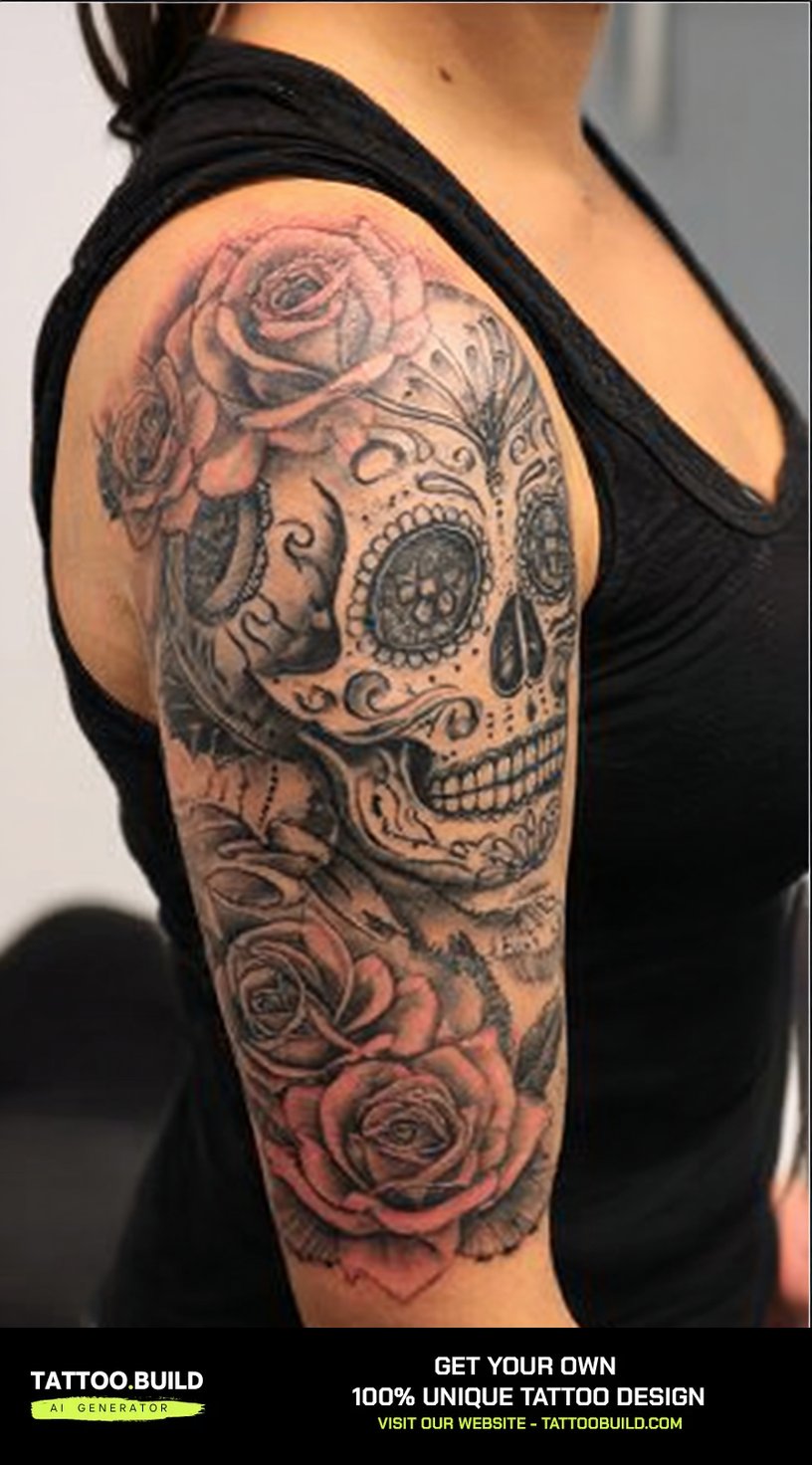
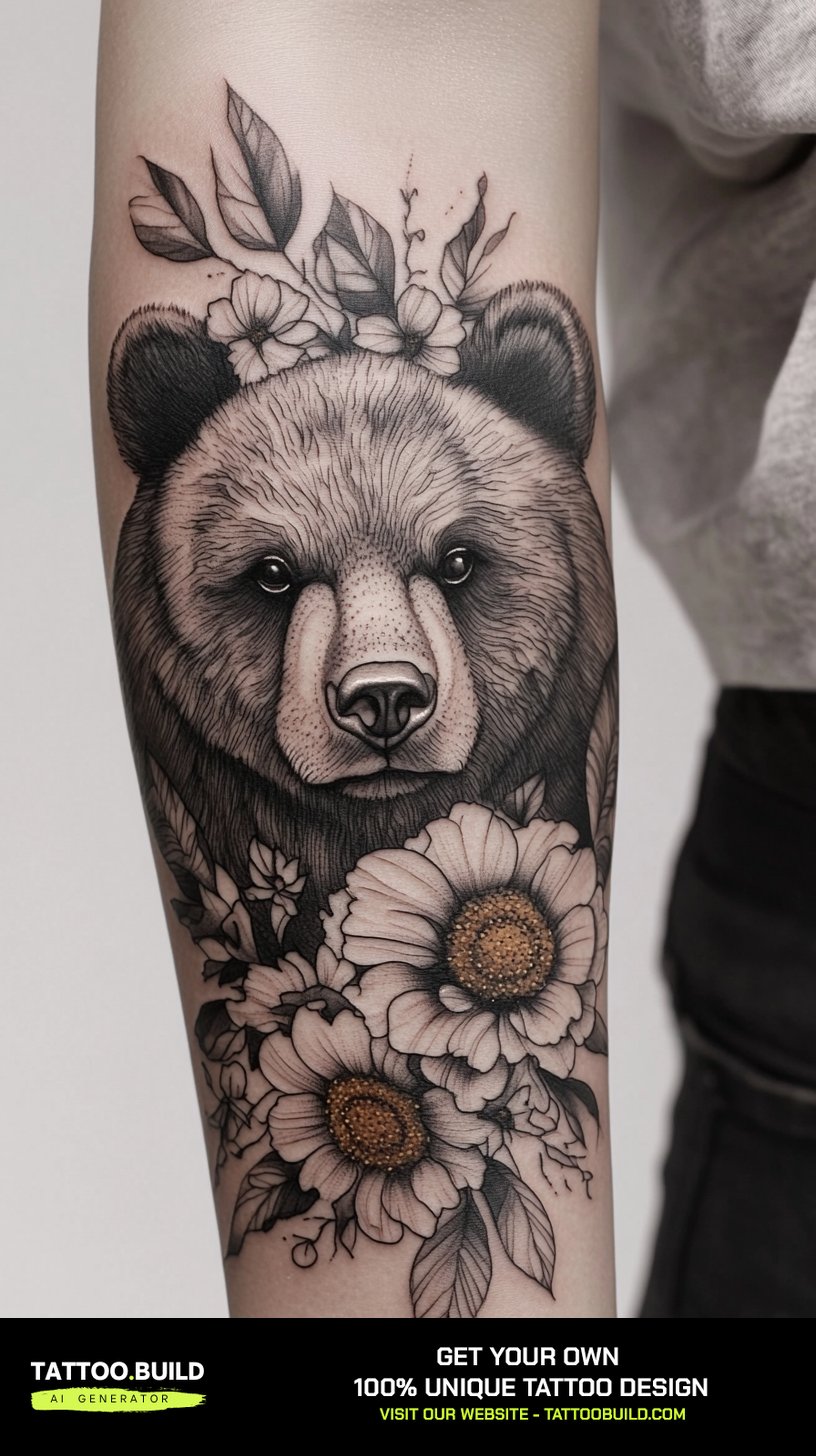
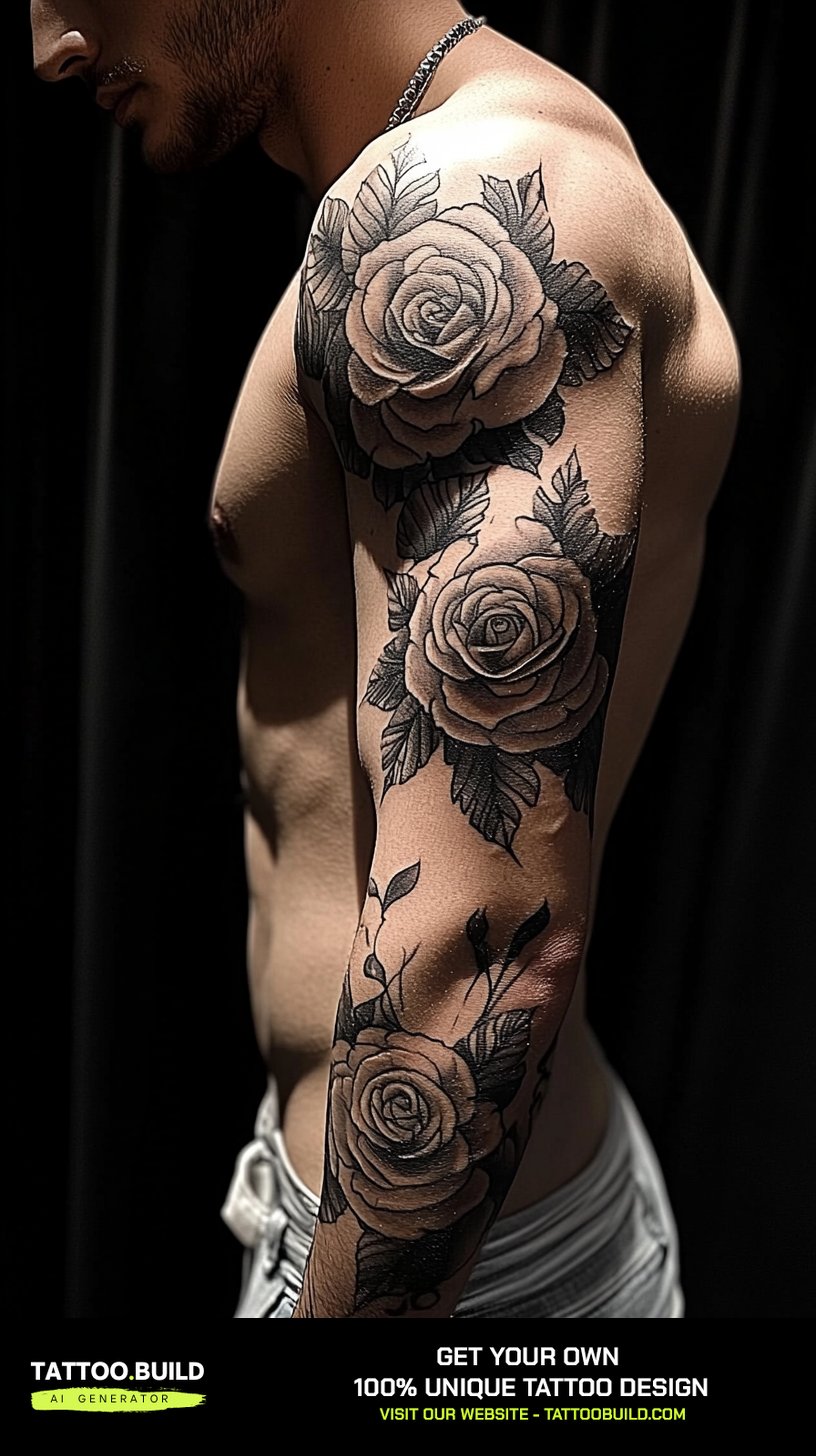
In my experience the strongest botanical sleeves pick two or three flowers and repeat them at different scales, rather than cramming in one of everything. Peonies, roses and wildflowers all hold detail well at arm size.
If you want colour, botanicals handle it better than most subjects because nature gives you a built-in palette. Black and grey florals, though, age noticeably better over a decade.
Fine-Line and Geometric Sleeves
Geometric and fine-line sleeves are the modern favourite, and the least forgiving style on this list.
Thin lines spread slightly as skin ages, so a design built entirely from hairline strokes will soften faster than a bold one. That is not a reason to avoid it — just plan for touch-ups.
The best geometric sleeves I have seen combine fine linework with at least some solid black or heavy dotwork, which gives the eye something to hold onto from a distance.
Mandala panels sit particularly well on the shoulder cap, where the arm is roundest and a circular motif wraps naturally. Forearm tattoo ideas work well as the lower continuation.
Black and Grey Realism
Realism is the most technically demanding style on the arm and the most dramatic when it lands.
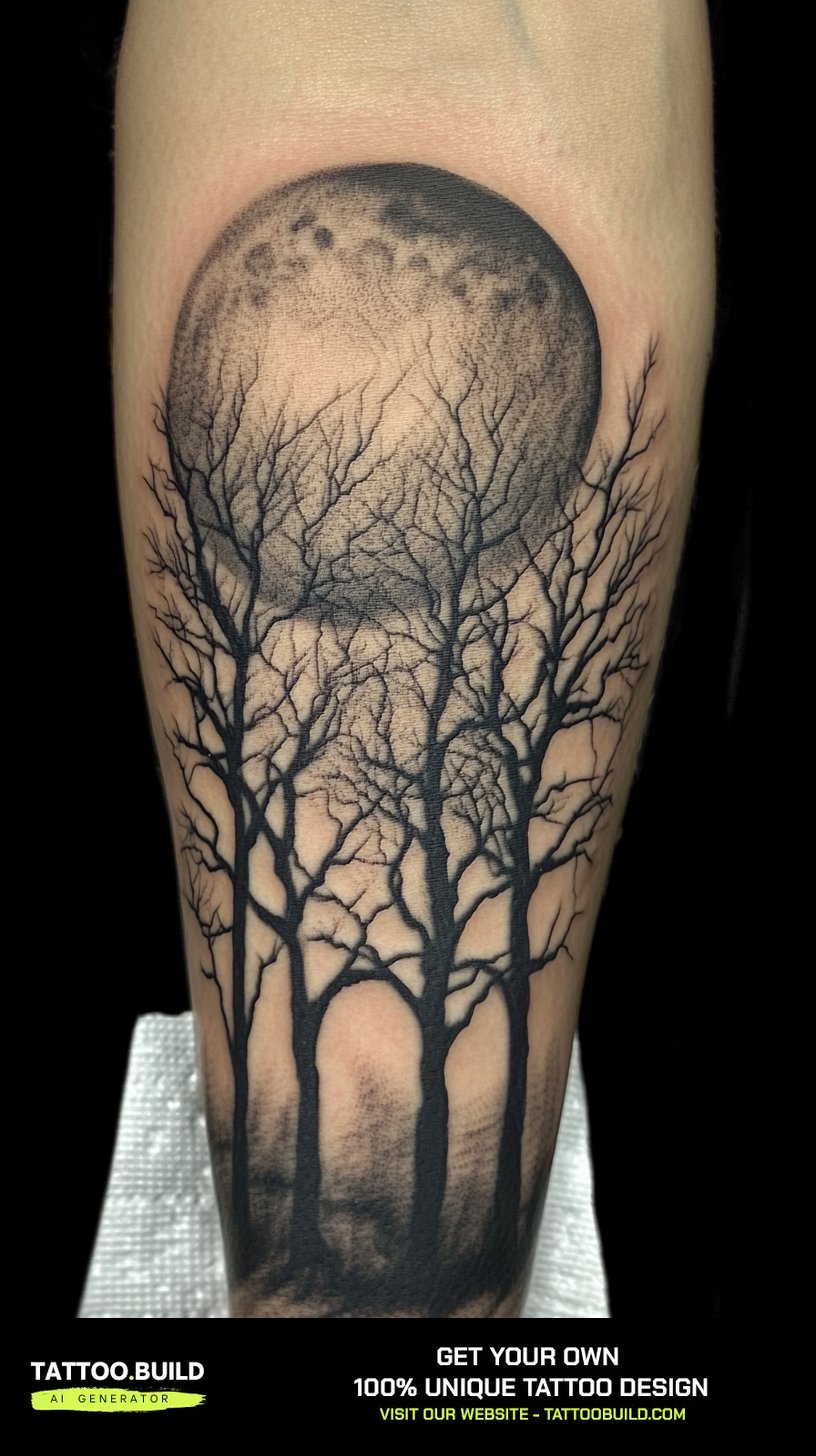
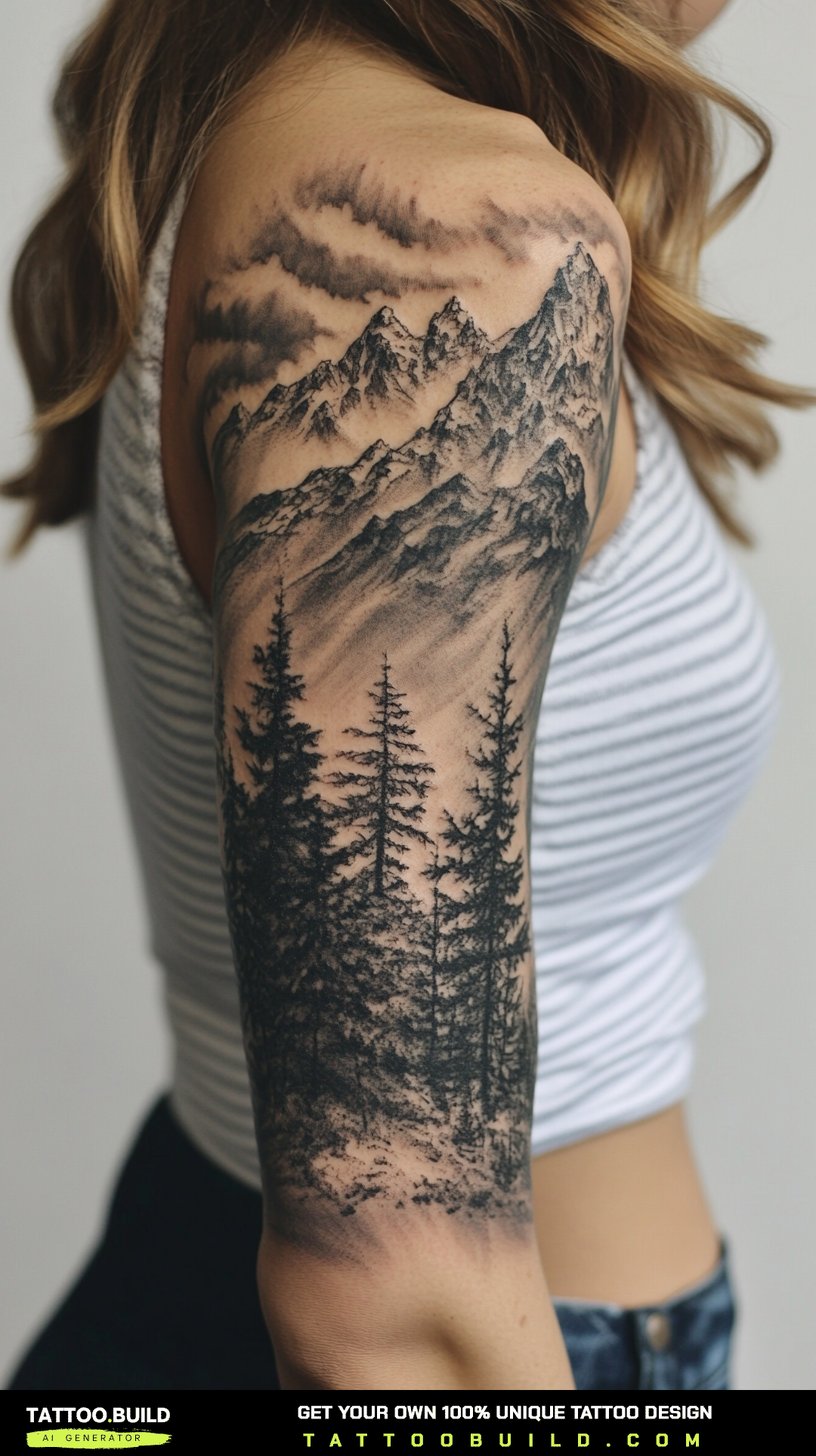
Depth comes entirely from value — smooth transitions between black, grey and bare skin — which means the artist needs room. Realism crammed into a small space turns muddy within a few years.
Every realism specialist I have spoken to says the same thing: give the piece more space than you think it needs. That empty skin is doing work.
Expect the longest session load of any style here. If you are drawn to this look, browsing black and grey tattoos first will tell you quickly whether it suits you.
Watercolour and Illustrative Sleeves
Watercolour sleeves look like paint has been dropped onto skin, and on the right arm they are gorgeous.
The catch is structural. Pure watercolour with no outline tends to lose its shape as it settles, which is why most experienced artists anchor it with at least a light linework skeleton underneath.
Illustrative work sits between watercolour and traditional — bold enough to hold up, loose enough to feel painterly. It is a sensible middle ground if you love colour but worry about longevity.
If you are drawn specifically to warm tones, red ink tattoo ideas are worth a look, though red is one of the pigments most associated with sensitivity reactions.
Japanese and Asian-Inspired Sleeves
The Japanese sleeve is arguably the original full sleeve, and its structure is why it still works.
Bold outlines, saturated colour and background elements — wind bars, waves, clouds — are what tie separate motifs into a single flowing composition. That background is the whole trick.
Because the style was built around covering full body panels, it scales to an arm more naturally than almost anything else.
If you are considering a culturally specific style, it is worth reading about its symbolism rather than picking motifs purely on looks. Artists who specialise in it will usually talk you through what each element traditionally means.
Traditional and Neo-Traditional
Traditional tattooing was designed to stay readable at a distance for decades, and it delivers on that better than any modern style.
Heavy outlines, a limited palette and simple shapes mean a traditional sleeve at fifteen years old still looks like what it is meant to be.
Neo-traditional keeps the bold structure but opens up the colour range and adds finer detail — a good compromise if classic Americana feels too stark for you.
Animal focal points work especially well here. A phoenix or a big cat on the outer bicep anchors the whole arm and gives the rest of the design something to orbit.
Tribal, Polynesian and Blackwork
Heavy blackwork gives the highest contrast of any option, and on an arm it is genuinely striking.
Traditional Polynesian patterning is designed to follow the muscle, which is why it wraps an arm so convincingly — the pattern density changes with the shape underneath.
Two honest cautions. Solid black is the hardest thing to cover or remove later, so be more certain than usual. And many of these patterns carry specific cultural meaning.
If that appeals, read up on Maori tattoo designs and female tribal tattoos before booking, and find an artist who works within the tradition.
Not Ready for a Full Sleeve? Try These
A full sleeve is a large commitment of money, time and visibility. These are the scaled-down versions that work.
The Half Sleeve
Shoulder to elbow, and by far the most common starting point. A standard shirt covers it completely, which solves the workplace question.
It also gives you a natural stopping point — you can decide later whether to extend down the forearm. Browse classy half-sleeve ideas for a sense of the range.
The Quarter Sleeve
Shoulder to mid-bicep. Small enough to finish in one or two sessions and a realistic way to test how you handle a longer sitting.
The Forearm Sleeve
Elbow to wrist only. More visible than a half sleeve but significantly less skin, and the forearm is one of the easier areas to sit through.
The Wrap-Around Band
A single wide band around the bicep or forearm. It reads as deliberate rather than unfinished, and leaves the rest of the arm open.
Planning and Aftercare: What Actually Matters
Choose the artist for their portfolio in your chosen style, not for their overall reputation. A brilliant realism artist is not automatically a brilliant fine-line artist, and the good ones will tell you so.
Book a consultation before you book the tattoo. Bring reference images, be honest about your budget, and ask directly how they would lay the design out across the whole arm.
For healing, follow the specific instructions your artist gives you — they are matched to their technique and products. General guidance from the American Academy of Dermatology covers the basics: keep it clean, moisturise lightly, stay out of the sun and do not pick.
Sun is the single biggest long-term threat to a sleeve. Once fully healed, sunscreen on that arm is the cheapest way to keep it looking sharp.
Take any sign of infection seriously. Spreading redness, heat, swelling, pus or fever means seeing a doctor, not waiting it out. The US FDA also notes that reactions to specific pigments can appear well after the tattoo has healed.
Common Mistakes — and Still Not Sure?
The mistake I see most often is collecting tattoos one at a time and hoping they will eventually become a sleeve. They rarely do without a lot of expensive filler work.
The second is choosing the design before the artist. If you arrive with a rigid plan, you lose the input of the person who actually knows how ink behaves on an arm.
The third is underestimating the elbow. It is the hardest transition on the arm, it hurts, and it needs to be designed rather than crossed by accident.
If you are still weighing it up, working through more ladies’ sleeve tattoo ideas and single-subject options like elephant sleeve tattoos is a good way to find out what you keep coming back to.
Save everything that catches your eye for a month, then look at the folder. The theme usually announces itself.
Frequently Asked Questions
How long does a full sleeve tattoo take?
Most full sleeves I have seen come together over several multi-hour sessions spread across months, not one marathon day. Artists usually book the outline first, then return for shading and colour once that has healed. Black and grey realism and heavily packed blackwork tend to run longest because so much of the arm needs saturated ink. Ask your artist for a session estimate at the consultation — a good one will give you a range rather than a single number.
Do sleeve tattoos hurt more than smaller tattoos?
The pain is not sharper, but it lasts far longer, and that is the part people underestimate. Fleshy areas like the outer bicep and forearm are generally the easiest; the inner bicep, elbow ditch and wrist are where most people I have talked to start counting down the minutes. Eating properly beforehand and taking short breaks makes a real difference. If you are worried, book a shorter first session and see how your body handles it.
Can I build a sleeve from tattoos I already have?
Often yes, and it is one of the most common ways sleeves actually happen. An experienced artist can design background elements — foliage, smoke, water, ornamental filler — that link existing pieces into one composition. It works best when your existing tattoos are similar in style and contrast. Bring photos of everything on the arm to the consultation so the artist can plan around them from the start.
Are sleeve tattoos hard to cover for work?
A full sleeve is visible in anything short-sleeved, so it is worth being honest with yourself about your workplace before you commit. Half sleeves that stop above the elbow are the usual compromise because a standard shirt covers them completely. Attitudes vary enormously by industry and region. If you are unsure, start above the elbow — you can always extend downward later.
How do I look after a healing sleeve?
Follow the aftercare your artist gives you, since it is tailored to their technique and the products they used. In general that means keeping the area clean, applying a thin layer of the recommended ointment or lotion, avoiding soaking, swimming and direct sun, and never picking at scabs. Because a sleeve covers so much skin, healing can feel more demanding than a small piece. If you see spreading redness, heat, swelling, pus or a fever, contact your artist and see a doctor — that is a medical issue, not an aftercare question.
Quick Summary
- Pick a theme before you pick individual images — a sleeve is one design, not a collection.
- Choose the style first, then find an artist who specialises in it rather than the other way round.
- Bold, high-contrast styles such as traditional and blackwork age the most reliably.
- Fine-line and watercolour work look stunning early but usually need touch-ups sooner.
- Plan the layout across the whole arm, including the elbow and the negative space.
- Build in stages if budget or pain tolerance is a factor — outline first, fill later.
- Keep one colour palette across the entire sleeve so it reads as a single piece.
- Follow your artist’s aftercare instructions, and see a doctor for anything that looks infected.