A half sleeve is the point where a tattoo stops being a tattoo and starts being a project. It covers roughly the shoulder to the elbow, or the elbow to the wrist, and it commits you to a single visual idea that has to hold together from every angle.
I have sat through three separate half sleeve builds — two on my own arm, one watching a friend go through it across five months — and the thing nobody tells you is that the artwork is the easy part. The hard part is deciding where the edges go and sticking to it.
This guide walks through the styles that actually work at this size, what each one costs you in sessions and pain, and the mistakes I have watched people make. If you want a broader look at the category first, the half sleeve tattoos for men collection is a good place to start.
Every design below is a reference image, not a template. Take them to an artist and let them redraw the idea to fit your arm.
Which Half Sleeve Style Is Right for You?
This is the comparison I wish someone had handed me before my first consultation. Session counts assume a shoulder-to-elbow piece on an average adult arm.
| Style | Best for | Typical sessions | How it ages |
|---|---|---|---|
| Japanese / irezumi | Full arm coverage with a story | 4–8 | Excellent — built around bold outlines |
| Black & grey realism | Portraits, animals, one hero image | 3–6 | Good if contrast is strong; soft greys fade first |
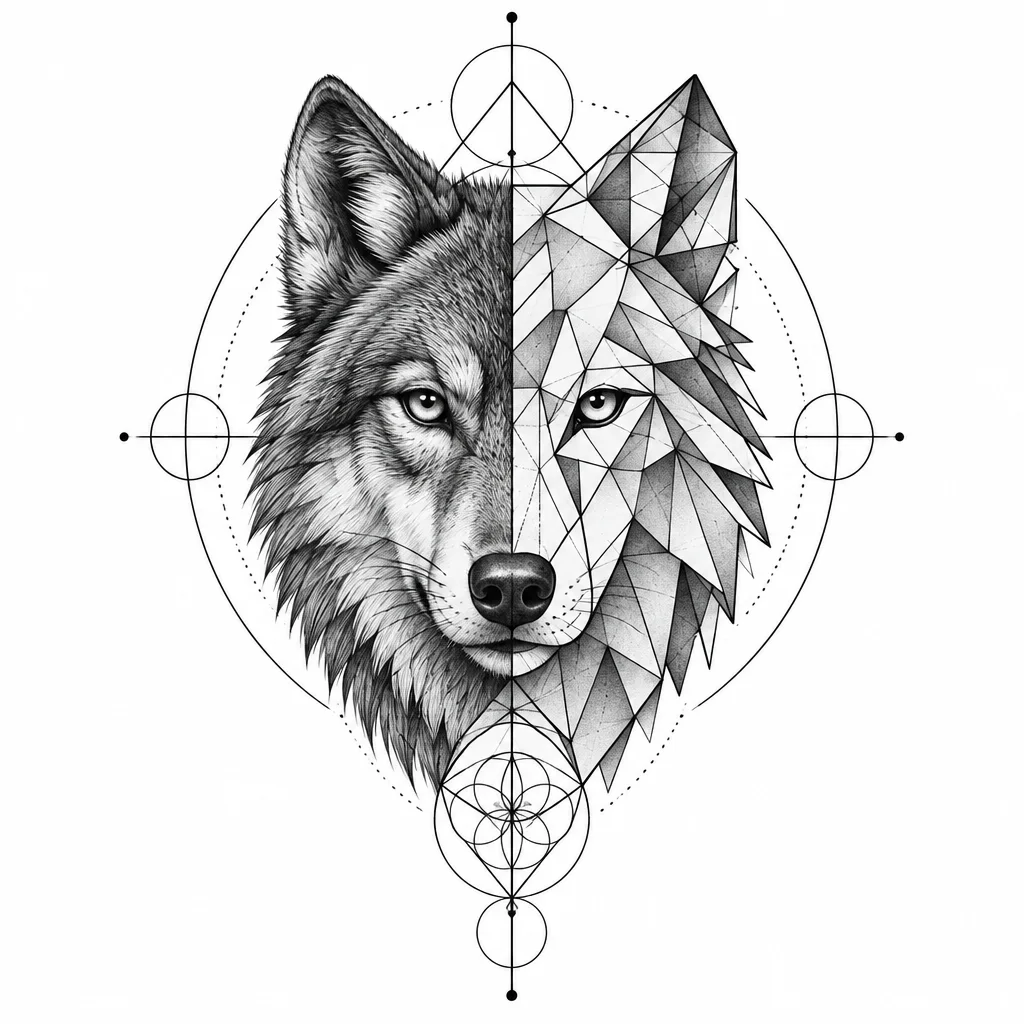
| Blackwork / geometric | Pattern lovers, high contrast | 2–5 | Very well — solid black is the most durable ink |
| Fine line | Subtle, low-commitment coverage | 2–4 | Softens fastest; expect touch-ups |
| Colour realism | A single showpiece | 5–10 | Needs sun protection and periodic refreshing |
| Landscape / nature | Calm, personal imagery | 3–6 | Depends on contrast; add dark anchors |
Session counts vary a lot between artists. A fast, heavy-handed traditional artist and a slow realism specialist can quote wildly different numbers for the same arm.
What Actually Makes a Half Sleeve Work
A half sleeve is not a collection of tattoos that happen to be near each other. It is one composition on a curved surface that people see from the front, the side and the back.
The single biggest factor is flow — whether the design follows the natural lines of the muscle rather than fighting them. Good artists sketch directly onto the arm with a marker before anything permanent happens, and if yours does not offer, ask.
The second factor is contrast. An arm that is all mid-grey turns into a smudge from across a room, which is why almost every sleeve that reads well has areas of solid black and areas of bare skin.
The third is budget honesty. Half sleeves are usually quoted by the session or the day rather than the piece, and the cost of a sleeve tattoo scales with hours, not with how simple the drawing looks.
The fourth is patience. Every artist I have asked says the same thing: the sleeves they are proudest of took months, and the ones they regret were rushed to hit a wedding or a holiday.
Cool Half Sleeve Tattoo Ideas for Men
These are grouped by style rather than by subject, because the style is what determines how the arm looks in ten years. The subject is the easy swap.
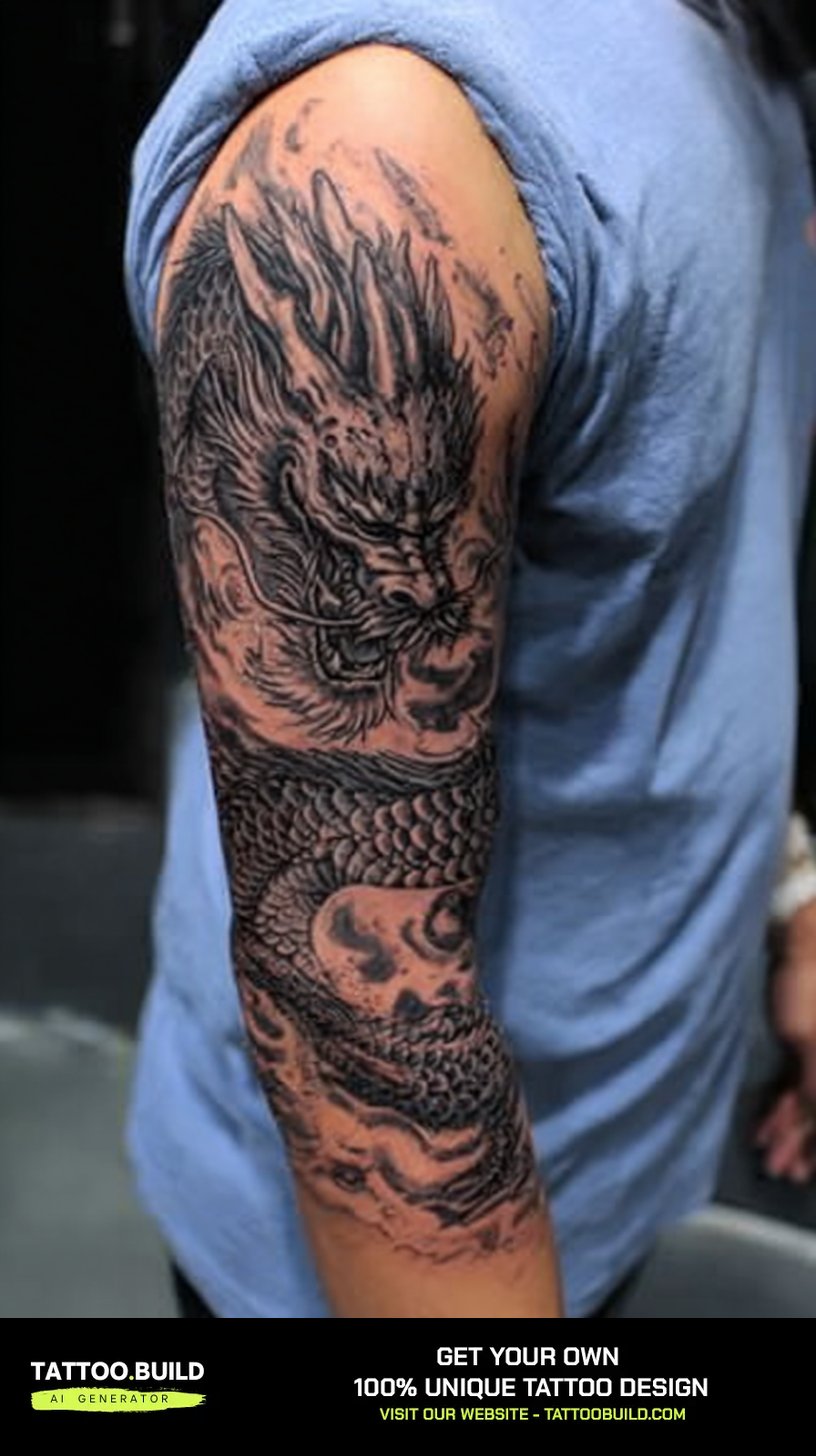
1. Japanese Irezumi Half Sleeves
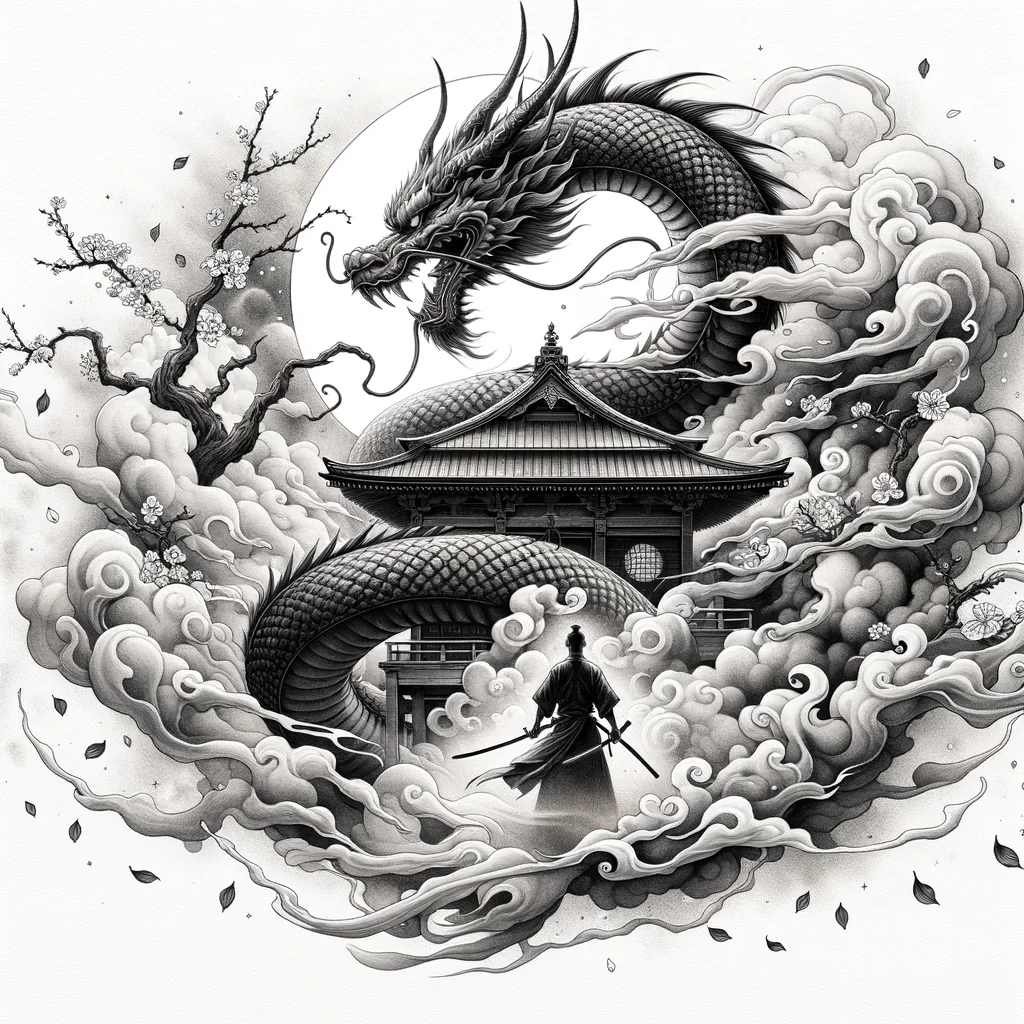
Japanese tattooing solved the sleeve problem centuries before anyone was posting arms online. Wind bars, clouds and water act as connective tissue between the main subjects.
That background is the reason irezumi ages so well. The bold outlines and heavy black hold their shape long after fine shading has softened.
Tigers, dragons, koi, snakes and hannya masks are the traditional cast. Each carries meaning in the original tradition, so it is worth reading a little before picking one purely on looks.
In my experience this is also the most forgiving style to extend later. If you decide in two years that you want a dragon design running further down the arm, the background is already there to grow into.
2. Koi, Dragons and Water Themes
Water motifs suit the forearm particularly well because they read as vertical movement. A koi swimming upward is one of the most-requested designs I have seen on a shop wall.
The traditional reading is perseverance: the koi that climbs the waterfall becomes a dragon. Whether or not you care about the symbolism, it gives the composition a direction.
Water is also the cheapest way to fill space well. Waves and splashes cost far less chair time than another detailed subject and they stop the arm looking like floating stickers.
When I tested a fine line version against a bold traditional version on the same reference, the bold one still read clearly from three metres away. The fine line one did not.
3. Black and Grey Animal Realism
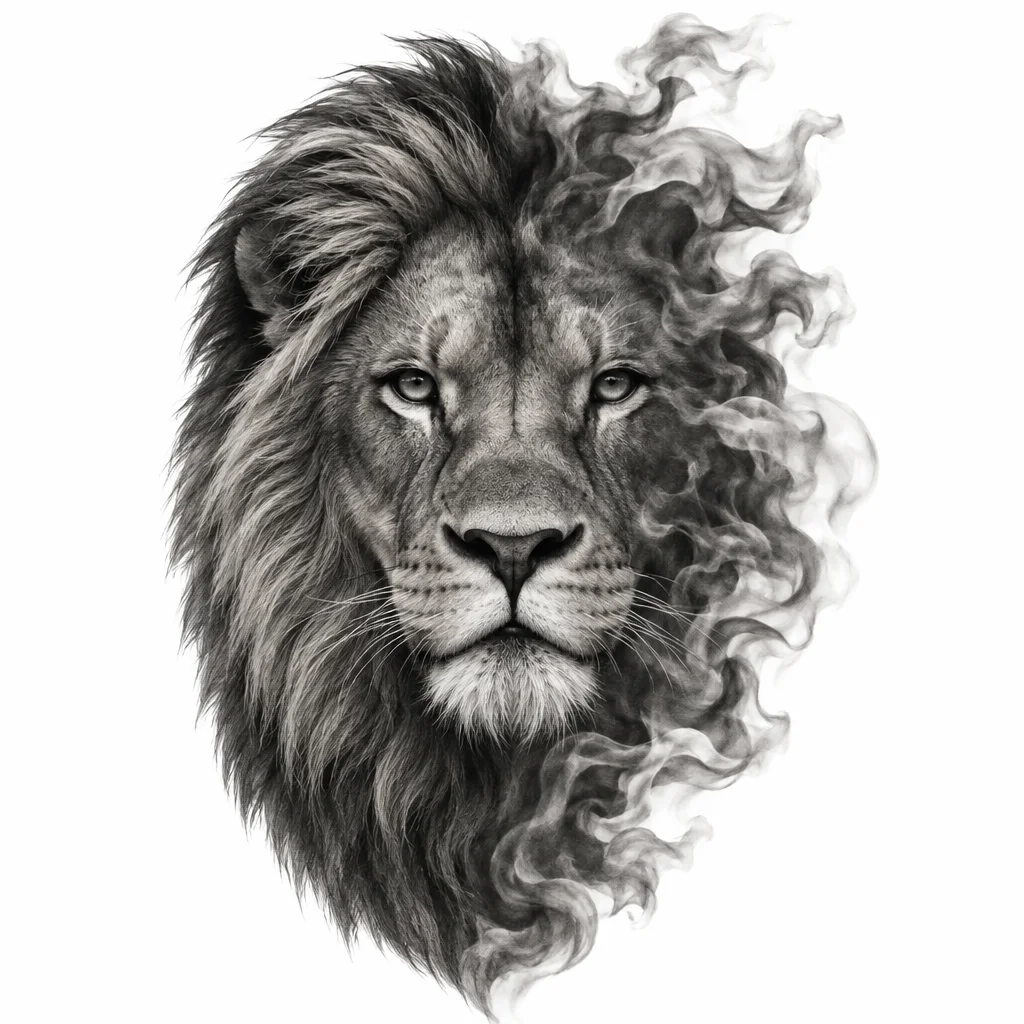
A lion, wolf or bear portrait is the most common request in this category, and it is harder to execute than it looks. Realism lives or dies on smooth grey transitions.
Ask to see healed photos, not fresh ones. Fresh realism always looks incredible; healed realism from an average artist often looks flat.
Give the portrait room. A lion crammed into a small panel loses the detail in the mane within a few years, which is exactly the detail you paid for.
Every realism artist I have talked to prefers one large subject per half sleeve rather than three medium ones. It is better artwork and, usually, fewer sessions.
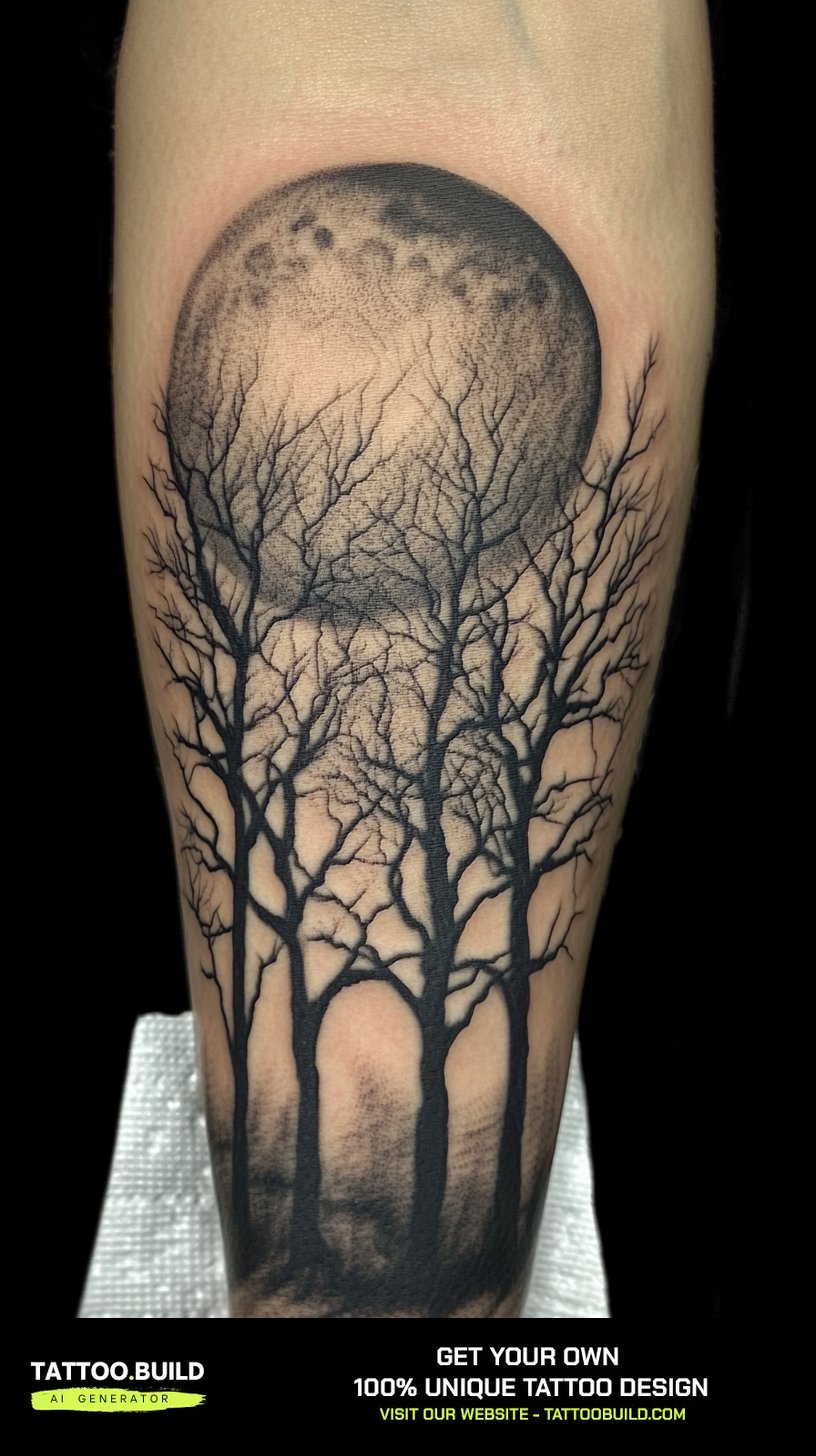
4. Landscapes, Forests and Nature Scenes
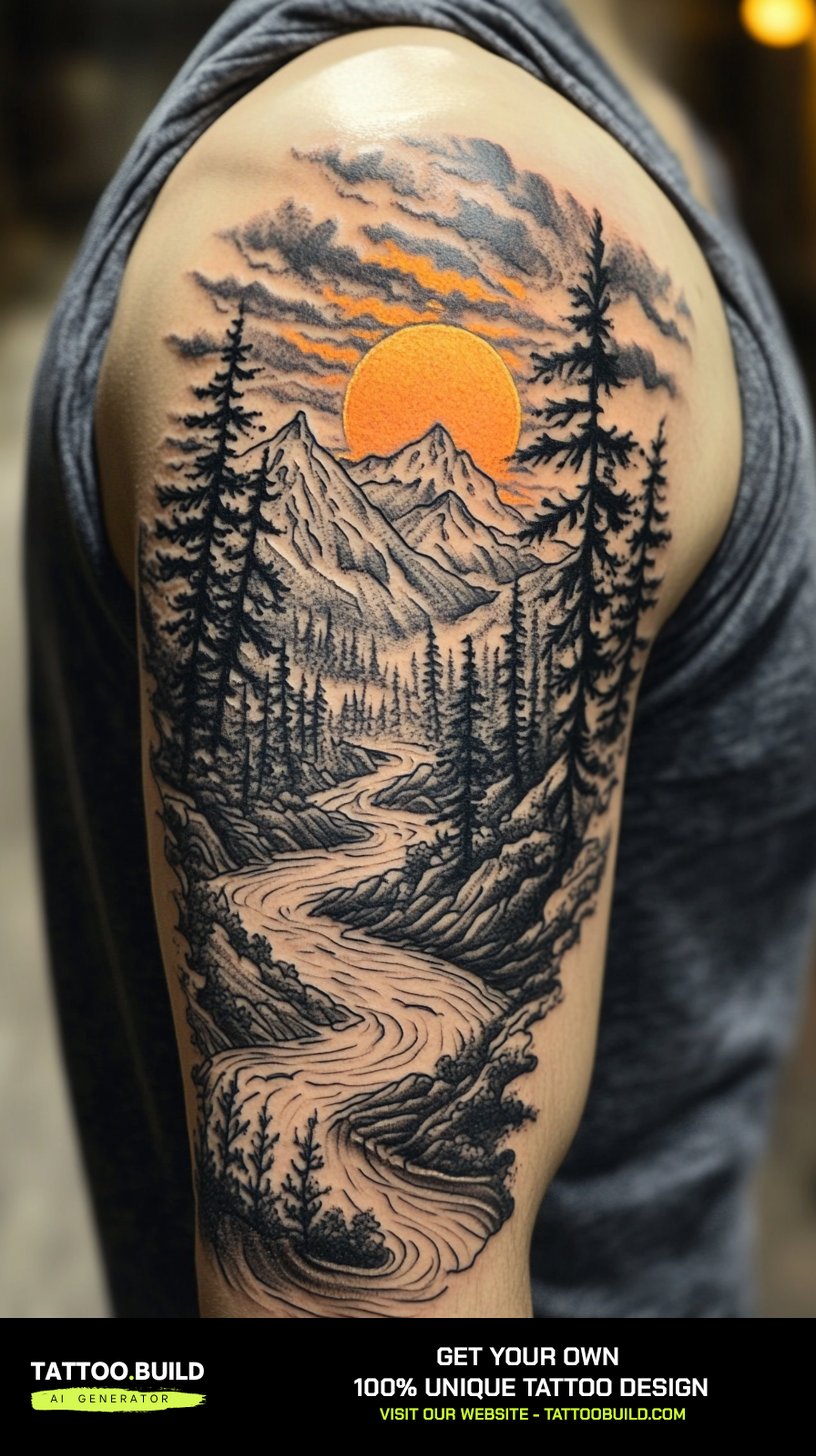
Landscape sleeves have become the default choice for men who want something meaningful without a symbol attached. Mountains, pine forests and rivers all wrap an arm naturally.
The trap is contrast. A pale grey mountain range with no black in it reads as a bruise from a distance, and I have watched exactly that happen on a friend’s forearm.
Ask your artist to build in dark anchors — a treeline, a shadowed ridge, a night sky — so the piece has structure once the mid-tones settle.
Adding a small human or animal figure gives the scene scale and stops it reading as wallpaper. It is a cheap addition that changes the whole piece.
Ocean scenes work on the same principle. A reef or a turtle fills the shoulder cap without spilling onto the chest, which keeps the tattoo easy to cover with a t-shirt.
5. Geometric, Mandala and Blackwork
Blackwork is the most durable option on this list. Solid black is the ink that survives longest, which is why geometric tattoo designs from decades ago still look sharp.
Mandalas suit the shoulder because the shape is round and the deltoid is round. On the forearm, they usually work better as bands than as single medallions.
Symmetry is unforgiving. A crooked line in a realism piece disappears into the shading; a crooked line in a mandala is the only thing anyone will see.
When I compared quotes for a geometric half sleeve against a realism one, the geometric came in noticeably lower — less rendering time per square inch. That is not universal, but it is common.
Fine line geometric work is the lighter alternative. It leaves more bare skin, which some men prefer, though it will need touch-ups sooner.
6. Norse, Samurai and Mythology
Warrior imagery is a well-worn category, and that is not a criticism — the compositions work. Norse mythology designs in particular use knotwork the same way irezumi uses clouds.
Samurai pieces tend to be heavy on black, so they need either a large canvas or a deliberate amount of open skin around them.
If you are drawing on a real culture, do a little reading first. Artists field a lot of requests for symbols the client cannot explain, and most would rather help you pick something you can stand behind.
Phoenix and other mythological birds are the softer option here. In outline-heavy form they cover a lot of arm for relatively little chair time.
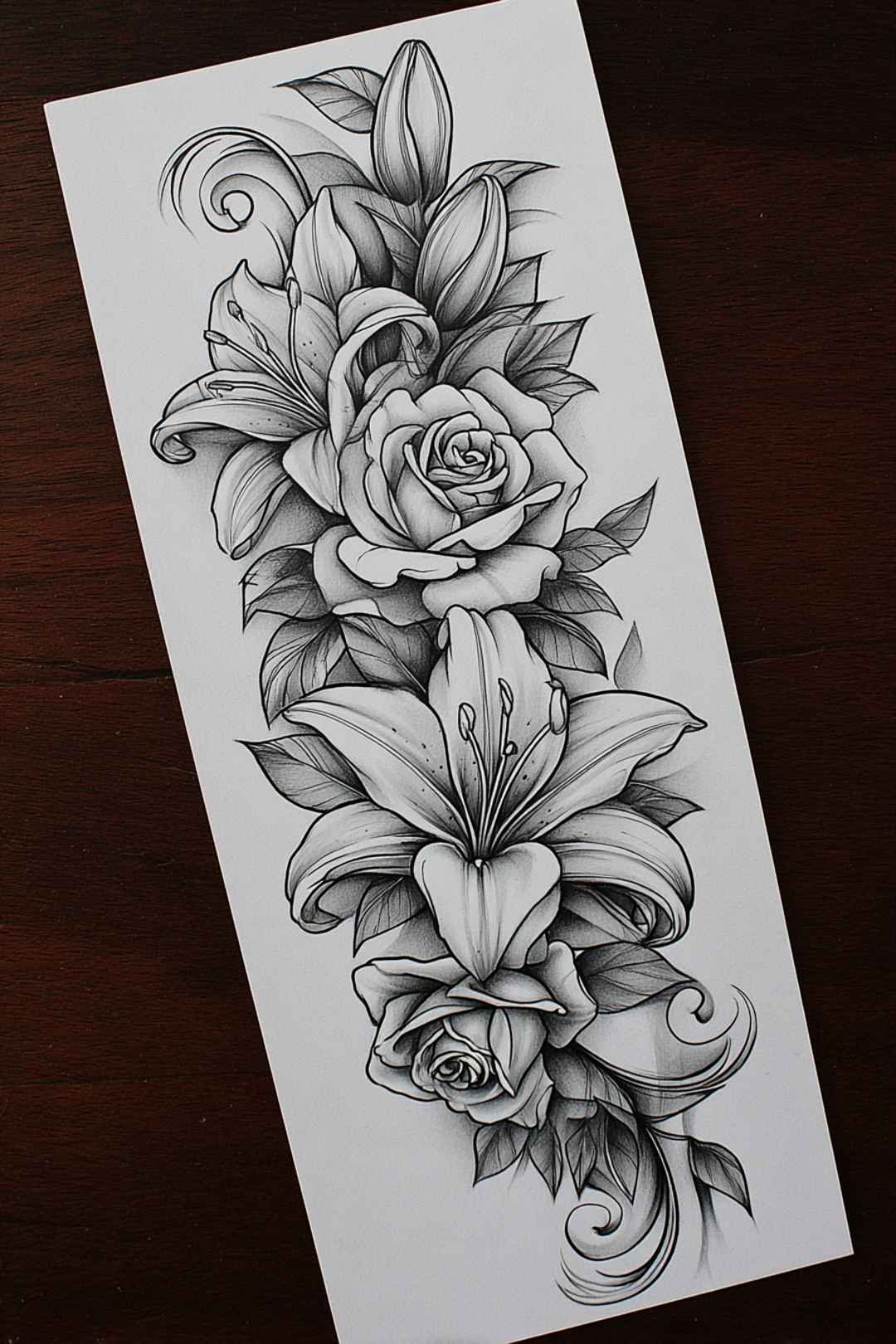
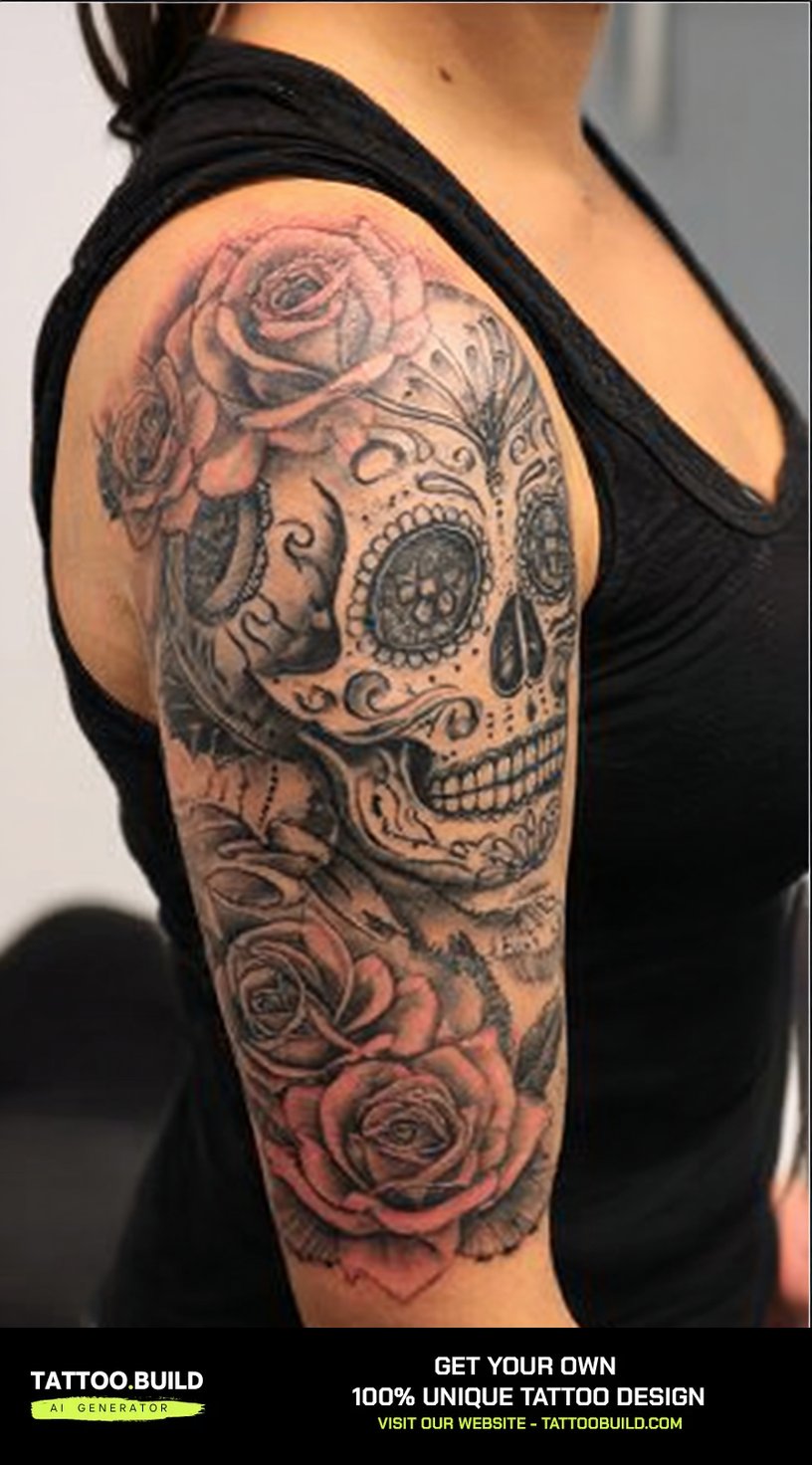
7. Floral and Botanical Half Sleeves
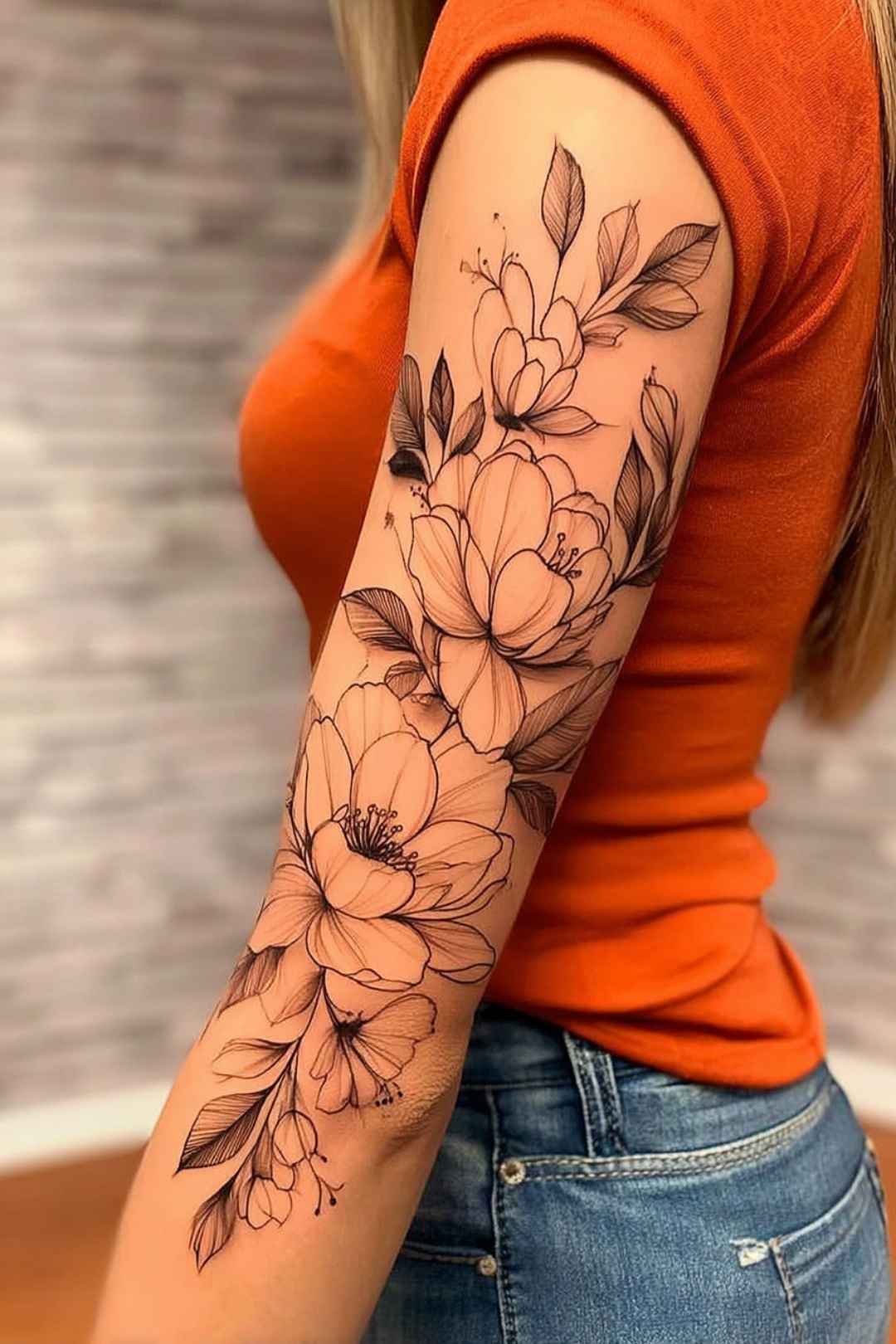
Florals on men have gone from unusual to completely standard in the last decade, and they solve a real design problem: they fill space beautifully at any scale.
Peonies, roses and chrysanthemums are the workhorses because their shapes are large and readable. Small wildflowers look great fresh and vanish over time.
Bold outlines beat delicate detail here. The floral sleeves I have seen age best were the ones with confident, heavy linework.
Fine line botanical work is the other end of the spectrum — lighter, quieter, and easier to expand into a full sleeve later because there is space left between elements.
Pairing a snake or an animal with the flowers gives the piece a focal point. It also gives the artist somewhere to put the dark values.
8. Surreal, Space and Colour Realism
This is the most technically demanding category and the one where artist choice matters most. Colour realism requires specific skills that not every good tattooer has.
Space themes are the friendlier entry point. A starfield is largely solid black with white highlights, which is both durable and relatively quick.
Surreal compositions need a plan for the whole arm before the first needle touches skin. Stitching unrelated images together session by session almost never works.
Colour also asks more of you afterwards. Sun exposure fades pigment, so a colour sleeve needs sunscreen for life if you want it to stay saturated.
Alternatives If a Half Sleeve Feels Like Too Much
A half sleeve is a real commitment of money and hours. There are smaller versions of the same idea.
Quarter Sleeve
Shoulder to mid-bicep. It sits entirely under a t-shirt sleeve, costs a fraction of a half sleeve, and can be extended later without redesigning anything.
Forearm Panel
A single vertical piece on the outer forearm. Visible, expandable, and roughly two to three sessions for most designs.
Patchwork Build
Individual tattoos placed with deliberate gaps, filled in over years. Honest about how most collections actually happen, though it needs an artist who plans placement carefully.
Going Straight to a Full Sleeve
If you already know you want the whole arm, planning a full sleeve from the start is cheaper than stitching two halves together later. Seams between separately designed pieces are hard to hide.
Sessions, Healing and Aftercare
Most half sleeves are done in sittings of three to five hours. Longer than that and both your skin and the artist’s accuracy start to suffer. The inner arm and the elbow ditch hurt most — the most painful tattoo spots guide covers the map in more detail.
Healing takes roughly two to three weeks on the surface and several months underneath. Follow the aftercare your artist gives you rather than advice from the internet, and the American Academy of Dermatology guidance on caring for tattooed skin is a reliable general reference.
Take infection seriously. Spreading redness, heat, swelling that worsens after day three, pus or fever are reasons to see a doctor, not to wait it out. Allergic reactions to pigment are uncommon but real, and the FDA’s overview of tattoo safety explains what can go wrong and why it is worth choosing a licensed studio.
Book touch-ups rather than hoping you will not need them. Most reputable artists include one free touch-up, and the Mayo Clinic’s tattoo risk summary is worth reading before you book if you have skin conditions, take blood thinners, or have a history of keloid scarring. Nothing in this article is medical advice — ask a professional about your own situation.
Common Mistakes and How to Avoid Them
The most expensive mistake is starting without an end point. Decide where the tattoo stops — mid-bicep, above the elbow, at the wrist bone — before session one.
The second is choosing an artist for price rather than portfolio. A cheap sleeve you dislike costs far more to fix than a good one cost to make.
The third is filling the arm too fast. Negative space is part of the design, and once it is gone you cannot get it back without laser work.
Still weighing it up? Browsing cool arm tattoo ideas and blackwork tattoo ideas for men side by side is a fast way to work out which direction actually pulls you.
Frequently Asked Questions
How long does a half sleeve tattoo take?
Most half sleeves take between three and eight sessions of three to five hours each, spread over several months. The exact number depends on the style, the amount of detail and how quickly your artist works. Realism and colour work sit at the higher end; blackwork and traditional styles are usually faster. Healing time between sessions is typically two to four weeks.
Does a half sleeve hurt more than a small tattoo?
It does not hurt more per minute, but it hurts for far longer, which is a different kind of difficulty. The outer arm and shoulder are among the more tolerable areas on the body. The inner bicep and the elbow ditch are considerably sharper for most people. Eating properly beforehand and stopping when you are done, rather than pushing through, makes a real difference.
Can I combine different tattoo styles in one half sleeve?
You can, but it needs planning. Mixing realism with traditional or geometric work usually looks best when one style clearly dominates and the other supports it. Handing your artist three unrelated references and asking them to merge them rarely produces a coherent arm. In most cases it is better to pick one style and vary the subjects within it.
Which half sleeve style ages the best?
Blackwork and traditional Japanese generally age best, because both are built on bold outlines and solid black that hold their shape as skin changes. Fine line work softens fastest and usually needs touch-ups within a few years. Colour holds up reasonably well with sun protection but fades noticeably without it. No tattoo is permanent-looking forever — contrast is what buys you time.
Should I get a half sleeve as my first tattoo?
You can, and plenty of people do, but I would usually suggest a smaller piece first. A short session tells you how your skin reacts, how you handle the pain and whether you actually like working with that artist. If you are set on starting big, at least book a consultation and a single first session before committing to the full design.
Quick Summary
- Decide where the tattoo starts and stops before your first session — the edges matter more than the subject.
- Pick a style first, then a subject; the style determines how the arm looks in ten years.
- Japanese and blackwork age best because they are built on bold outlines and solid black.
- Realism needs space and a specialist — always ask to see healed photos, not fresh ones.
- Build in dark anchors and keep some bare skin so the piece reads from a distance.
- Budget by the hour, not by the drawing, and expect three to eight sessions over several months.
- Follow your artist’s aftercare, and see a doctor for spreading redness, worsening swelling or fever.
- If a half sleeve feels like too much, a quarter sleeve or forearm panel extends into one later.