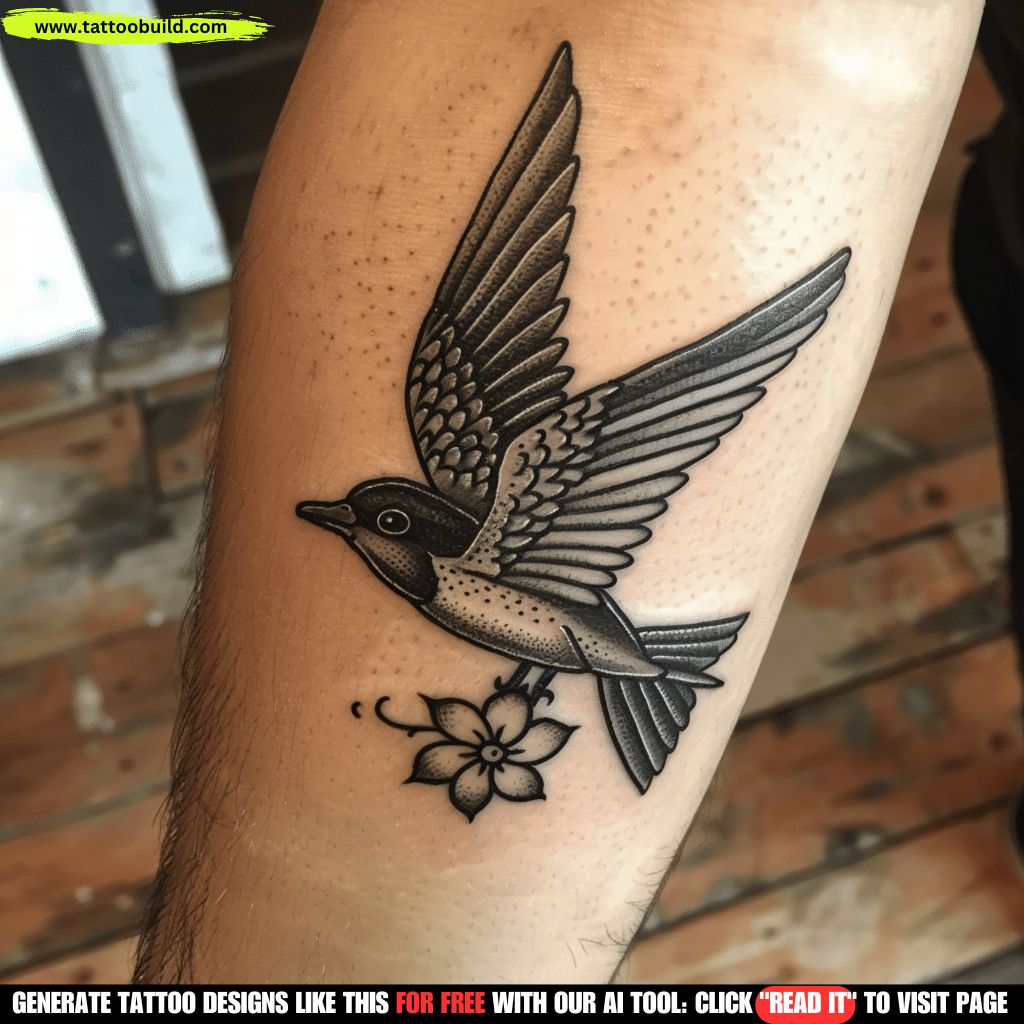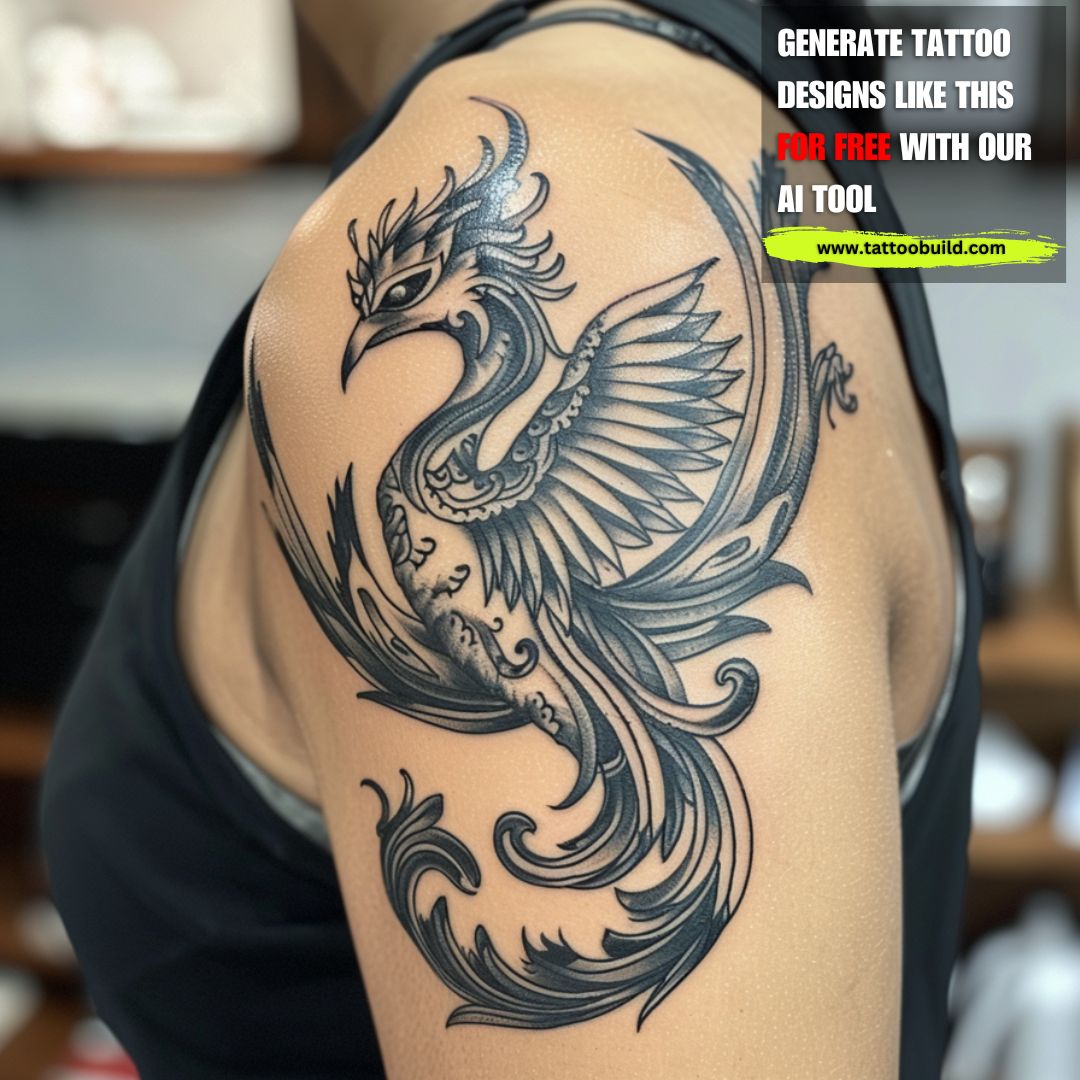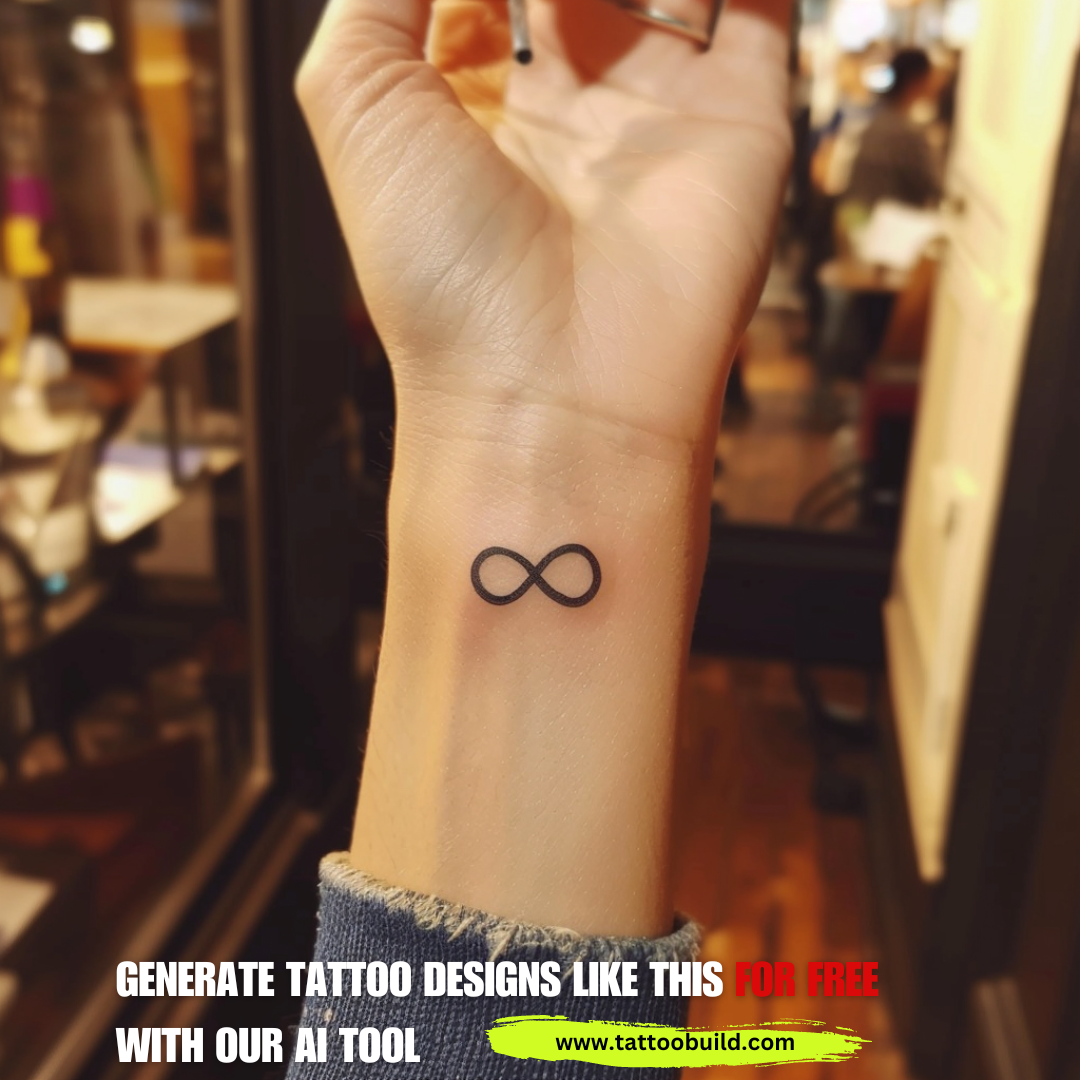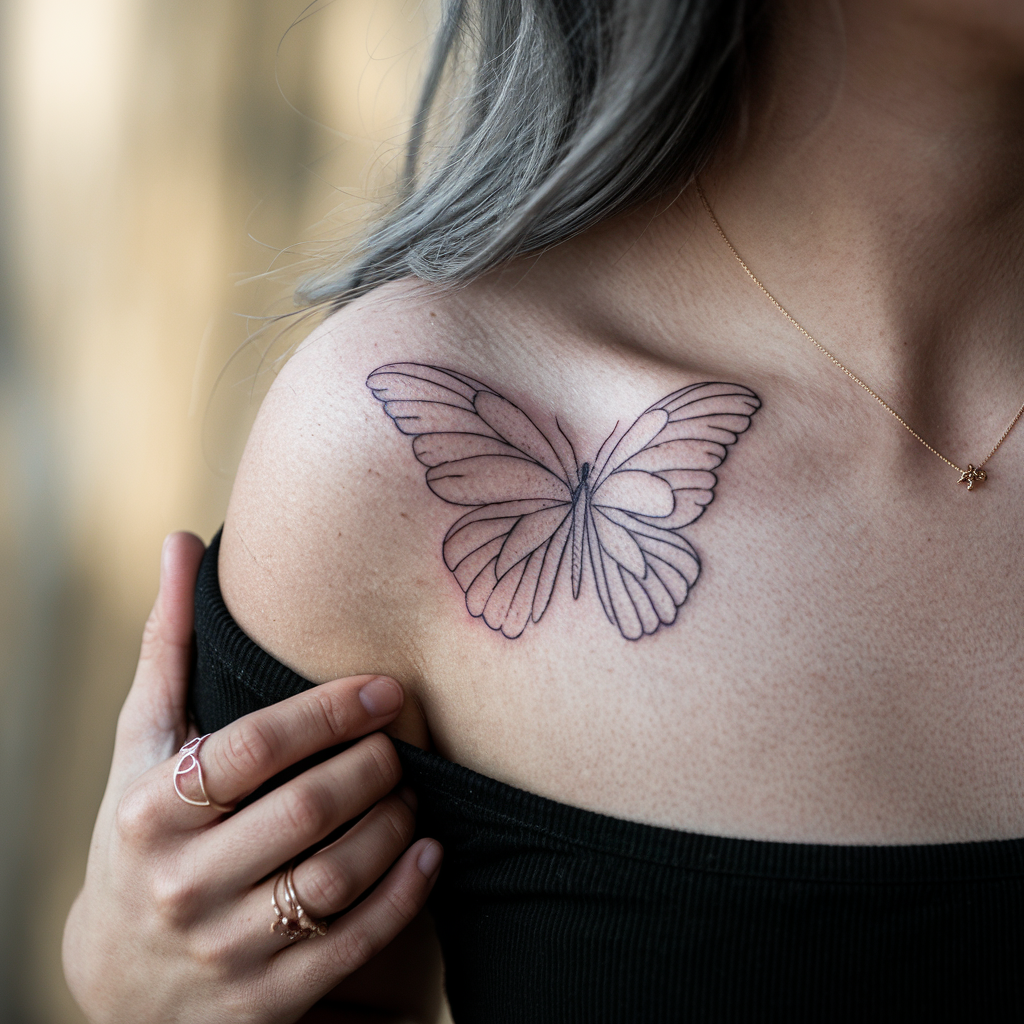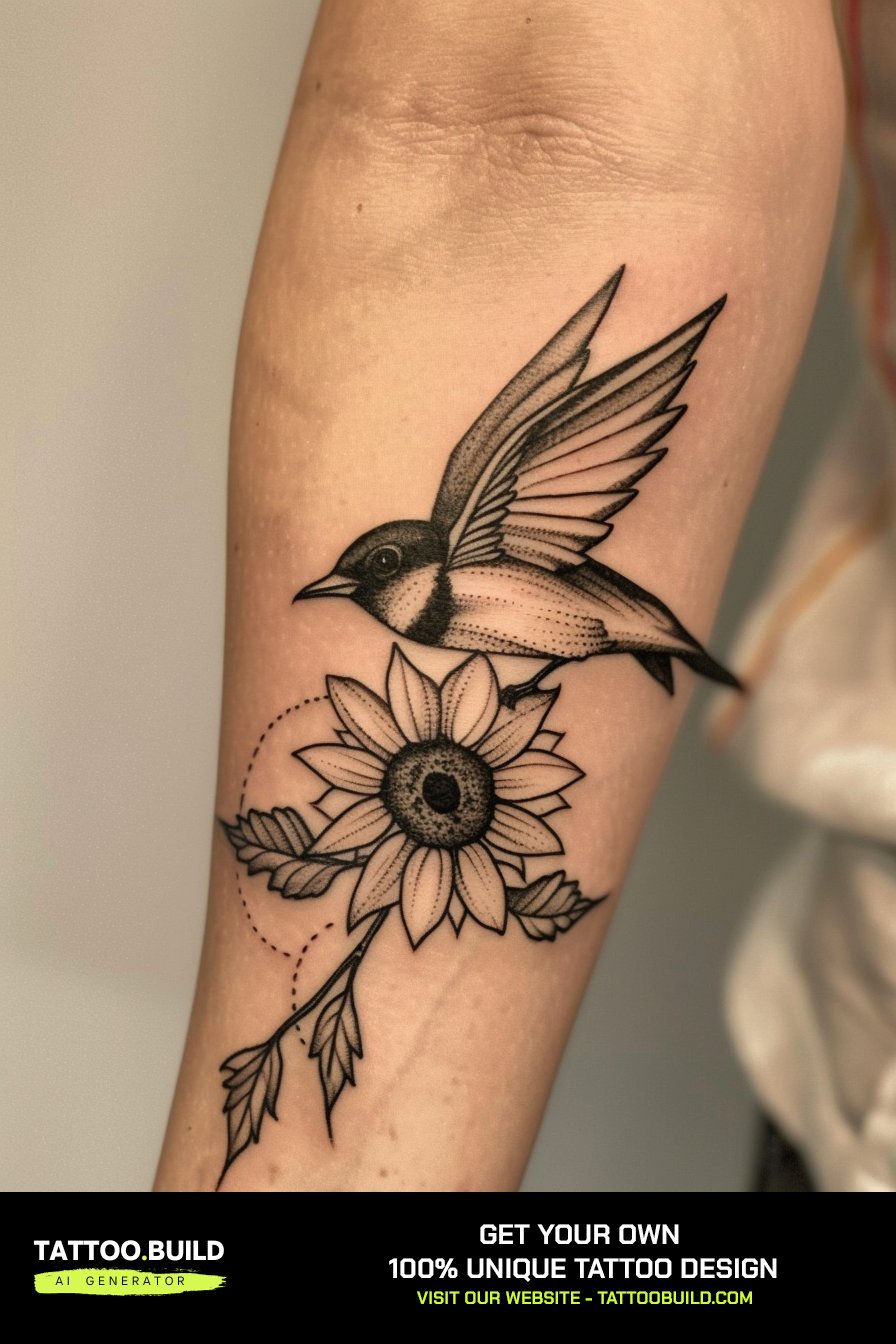
A swallow bird tattoo is one of the few designs whose meaning was fixed by working sailors long before it ever became a fashion choice.
I have been writing about traditional flash for years, and the swallow is the design I get asked about most often by people who want a small tattoo that still says something.
The short version: it stands for distance travelled, safe return, and loyalty to the people you left behind. The longer version is more interesting, and it changes how you should design yours.
In this guide I walk through where the symbol actually comes from, what the different arrangements mean, which styles hold up over a decade, and where on the body the bird reads best. If you are still weighing your options, my broader guide to bird tattoos and their meanings is a useful companion read.
Which Swallow Tattoo Style Is Right for You?
Every style below produces a recognisable swallow. What separates them is how they age, how much skin they need, and how much they cost.
| Style | Best Size | How It Ages | Good For |
|---|---|---|---|
| American Traditional | 2–4 inches | Excellent — heavy outlines hold shape for decades | Anyone who wants the historically correct version |
| Fine Line / Micro | Under 2 inches | Softens noticeably; may need a touch-up in 5–10 years | Discreet placements — wrist, ankle, behind the ear |
| Neo-Traditional | 4–7 inches | Very good — bold enough to survive, with more detail | A single statement piece with depth and colour |
| Blackwork / Silhouette | 1–5 inches | Excellent — solid black is the most durable ink | Minimalists and darker skin tones |
| Watercolour | 3–6 inches | Weakest of the five; fades fastest without an outline | People who prioritise the look now over the look in 15 years |
| Dotwork / Stipple | 2–5 inches | Good, if the dots are spaced properly | A textured, illustrative feel without heavy colour |
If you are torn, I tell people to default to traditional or blackwork. Those two are the only ones I have never seen someone regret on a technical level.
Why the Swallow Became a Sailor’s Tattoo
The swallow works as a symbol because of something true about the bird itself.
Barn swallows breed across the Northern Hemisphere and winter across much of the Southern Hemisphere, according to the Cornell Lab of Ornithology. That is an enormous seasonal journey for a bird that weighs about as much as a couple of coins.
Sailors in the age of sail saw those birds near coastlines. Spotting swallows meant land was close, which meant the voyage was nearly over.
That association — long journey, then home — is the whole meaning. Everything else layered on top of it later.
It is worth being honest about the history here: much of what circulates online about swallow tattoo “rules” is oral tradition passed between crews and tattooers, not documented naval regulation. I treat it as folklore that is meaningful because people believed it, not as verified record.
Swallow Tattoo Meanings, Decoded
Here are the specific meanings that come up again and again, and what they actually refer to.
1. Five Thousand Nautical Miles
The best-known tradition holds that a sailor earned one swallow after logging 5,000 nautical miles at sea, and a second after 10,000.
In my experience this is the meaning most clients arrive already knowing, usually from a film or a forum thread.
I would not treat the number as a documented rule. Tattooers I have spoken to describe it as a shipboard custom that varied crew to crew, not a standard anyone enforced.
What it still gives you is a good structure: one bird for a milestone reached, a second for the milestone doubled. Plenty of people use that framing for things that have nothing to do with the sea — sobriety years, a decade in a career, distance moved from home.
2. Safe Return and Coming Home
The second meaning is the one I find people connect with more once they hear it.
Sailors believed the swallow would carry a drowned man’s soul home. It is a piece of lore, not a fact, but it explains why the bird shows up so often as a memorial piece.
If that is your angle, the design choices change. Birds flying toward the heart or the centre of the body read as return; birds flying outward read as departure.
I have seen this done beautifully as a single swallow over the sternum with a date underneath. It is restrained and it does not need explaining to anyone.
3. Freedom After Hardship
This is the modern reading and, going by the requests I get, now the most common one.
The swallow leaves, survives the crossing, and comes back. That maps cleanly onto recovery, leaving a bad situation, or the end of a long illness.
It is a genuinely useful symbol for that because it does not announce itself. Nobody looks at a swallow and knows your history.
When I have asked artists which meaning clients name most, freedom and starting over come up more than the nautical story does. The bird has quietly changed jobs over the last few decades.
4. Love, Loyalty and Partner Tattoos
Swallows are frequently described as returning to the same partner and the same nesting site, which is why they picked up a loyalty meaning.
That is the basis for the matching-pair tattoo: two people, one bird each, both flying the same direction.
I will say plainly that I am cautious about recommending partner tattoos. The design is lovely; the premise is a risk you should price in.
A safer version I like: both people get a swallow, but in clearly different styles and placements. It reads as a shared reference rather than a matched set, and it survives a change in circumstances.
5. Two Swallows, and What the Second One Adds
A single swallow is a statement. Two swallows is a composition, and it is harder to get right.
The main mistake is symmetry. Two identical birds at identical angles look like a decal, not a tattoo.
Traditional flash almost always varies them — one higher, one banking, wings at different points in the stroke.
If you are planning a pair, ask your artist to draw them as one design rather than the same design twice. The gap between the birds is as much a part of the piece as the birds are.
6. Swallow, Sparrow or Bluebird? Telling Them Apart
These three get used interchangeably online and they are not the same bird.
The swallow has a deeply forked, split tail and long pointed wings. That fork is the single identifying feature.
The sparrow is stubbier, with a short square tail and rounder body. In tattooing it carries a similar homecoming meaning and the two traditions have largely merged.
The bluebird is defined by colour rather than shape and leans toward happiness and good fortune. If you want the nautical meaning specifically, insist on the forked tail — and if you like the softer look, my guide to bird tattoos on the neck covers placements where the difference matters most.
Style Variations Worth Considering
The meaning stays constant across styles. The execution is where your decision actually gets made.
American Traditional
Heavy black outline, limited palette, no fuss. This is the version the symbol was born in.
It is also the most durable thing you can put on skin, which is the real argument for it.
Fine Line and Micro Swallows
Very small swallows are popular and they do work, with a caveat.
Thin lines spread under the skin over time. Anything under about an inch and a half will lose interior detail, so the design has to survive on silhouette alone.
Neo-Traditional and Illustrative
Neo-traditional keeps the bold outline but opens up the palette and the detail.
It suits people who want one larger piece rather than several small ones, and it pairs naturally with florals and framing elements — similar territory to a neo-traditional chest piece.
Blackwork and Silhouette
Solid black is the most reliable ink there is, and a swallow silhouette is one of the cleanest shapes to render in it.
It also reads well across every skin tone, which is not true of every colour palette.
Watercolour and Colour-Led Work
Watercolour swallows photograph beautifully and I understand the appeal.
I am obliged to be straight about the trade-off: without a containing outline, colour washes soften faster than any other approach. Ask your artist for a light outline if you want it to last.
Placement: Where the Bird Reads Best
Swallows are directional, which makes placement matter more than it does for a symmetrical design.
Chest and collarbones are the traditional home and give the wings room to spread. Forearms work well for a single bird. Wrists and ankles suit the smallest versions — see my wrist tattoo ideas for sizing comparisons.
Whatever you choose, decide which way the bird flies before the stencil goes on. It is the one thing that cannot be fixed afterwards.
Practical Advice Before You Book
Bring reference images of the style you want, not just the subject. Every artist can draw a swallow; not every artist draws it the way you are picturing.
Check the artist’s healed work rather than fresh photos. Fresh tattoos all look sharp — healed galleries tell you whether their line work holds.
On aftercare, follow the instructions your artist gives you over anything you read online, including this page. The general guidance from the American Academy of Dermatology is to keep the area clean, moisturised and out of direct sun while it heals.
If you develop spreading redness, swelling, pus, a fever, or a rash that appears weeks or months later, see a doctor rather than waiting it out. Allergic reactions to tattoo pigment are recognised by the US Food and Drug Administration and are not something to self-treat. Nothing in this article is medical advice, and DIY tattooing or at-home removal is a genuinely bad idea — both carry real infection and scarring risk.
Still Not Sure? Mistakes I See Most Often
Going too small for the amount of detail requested. A swallow with feather texture needs at least three inches to hold that texture.
Choosing the bird for the meaning and then approving a design that is anatomically a sparrow. If the exact symbolism matters to you, check the tail — and read up on how other symbols get muddled before you commit.
Placing it flying outward when you meant homecoming. Same tattoo, opposite message.
Treating the nautical lore as verified history in a piece meant to commemorate something. If accuracy matters, anchor the design in your own story instead — the way an anchor tattoo or a shark and anchor piece usually is.
Rushing the artist choice because of a cancellation slot. Swallows appear in almost every traditional artist’s flash, so you are never short of options — the same is true for pin-up designs and dove work.
Frequently Asked Questions
What does a swallow bird tattoo actually mean?
At its core it means distance travelled and a safe return home. The tradition comes from sailors, who associated swallows with land being close after a long voyage. Modern wearers more often read it as freedom, survival, or starting over after a hard period. All of those readings sit comfortably on the same design.
What is the difference between one swallow and two?
The most repeated tradition is that one swallow marked 5,000 nautical miles at sea and two marked 10,000. That number is oral tradition rather than documented naval rule, so treat it as folklore. In practice, one bird works as a single milestone and two work as a doubled one. Two birds also need more careful composition to avoid looking symmetrical and flat.
Is a swallow tattoo the same as a sparrow tattoo?
They are different birds, though the tattoo traditions have largely blended. A swallow has a deeply forked tail and long pointed wings; a sparrow has a short square tail and a rounder body. If the nautical meaning is the point, ask for the forked tail specifically. If you simply like the shape, either works.
How much does a swallow tattoo usually cost?
Cost depends far more on your artist, your city and the size than on the design itself. A small single-needle swallow is typically a shop-minimum piece, while a large neo-traditional chest pair is a multi-hour session. I would not choose an artist on price for something this visible. Ask for a quote from healed-work galleries you actually like.
Does a swallow tattoo age well?
Traditional and blackwork versions age very well because heavy outlines and solid black hold their shape. Fine line and watercolour versions soften faster and may need a touch-up within about five to ten years, depending on placement and sun exposure. Areas with more friction and sun, like hands and feet, fade quickest. Your artist can tell you what to expect for the specific placement you have in mind.
Quick Summary
- A swallow bird tattoo means distance travelled, safe return, and loyalty — with freedom and starting over as the dominant modern reading.
- The 5,000-nautical-mile tradition is shipboard folklore, not documented naval regulation. It is still a useful structure for marking a milestone.
- The forked tail is what identifies a swallow. A short square tail makes it a sparrow.
- Direction matters: birds flying inward read as homecoming, birds flying outward read as departure.
- American traditional and blackwork age best. Fine line and watercolour soften fastest.
- Two birds should be drawn as one composition, not the same design twice.
- Chest and collarbones are the traditional placement; forearms suit a single bird; wrists and ankles suit the smallest versions.
- Follow your artist’s aftercare instructions, and see a doctor for spreading redness, pus, fever, or a delayed rash.