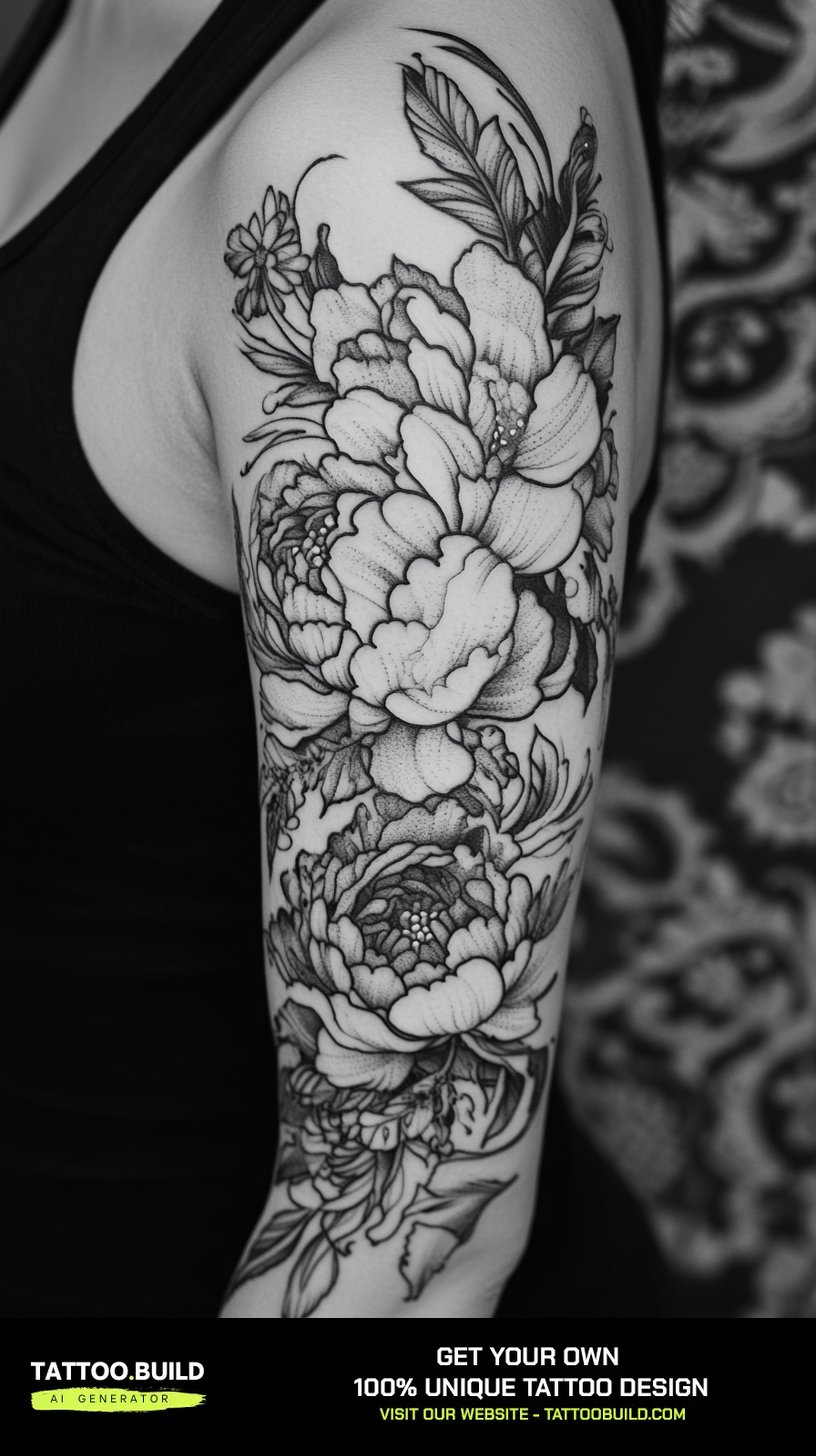
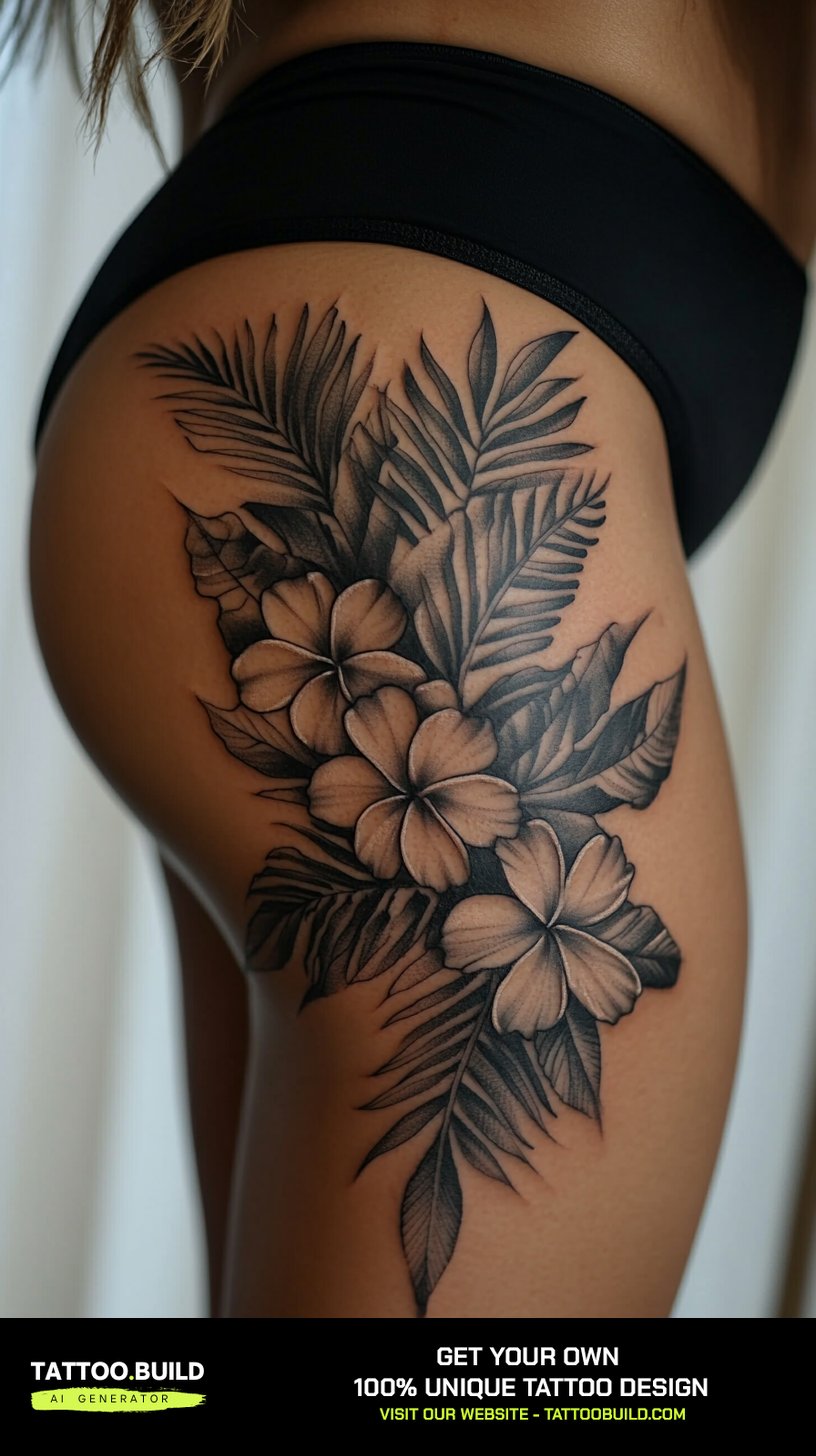
The shoulder is the placement I recommend most often to women getting their first serious tattoo, and after years of watching pieces heal and age I still think it earns that spot.
It sits on a broad, rounded, mostly stable surface. Skin here does not stretch and crease the way it does on the inner arm or the ribs, so linework tends to hold its shape for a long time.
It is also the most forgiving placement socially. A shoulder piece disappears under a work shirt and appears the moment you put on a tank top, which is a level of control very few placements offer. If you want a more compact version of this idea, the classy shoulder tattoo designs guide covers the smaller end of the range.
Below are the styles I see hold up best on the shoulder, what each one actually costs you in sittings and upkeep, and the honest limitations of each.
Which Shoulder Tattoo Style Is Right for You?
This is the comparison I end up drawing on paper for people about once a week, so here it is properly laid out.
| Style | Typical Sitting | How It Ages | Best For |
|---|---|---|---|
| Fine-line floral | 2–4 hours | Softens noticeably; expect a touch-up in a few years | A first tattoo, or anyone wanting something subtle |
| Mandala / ornamental | 4–6 hours, sometimes split | Very well if the spacing is generous | Symmetry lovers and future sleeve plans |
| Black and grey realism | Multiple sessions | Good, though soft grey wash lifts first | Portraits, animals, landscape scenes |
| Script and lettering | 1–2 hours | Depends entirely on letter spacing | Short, meaningful phrases |
| Colour work | 3–6 hours | Fades fastest, especially pale blues and yellows | People committed to daily sunscreen |
| Bold blackwork | 4–8 hours | The most durable option by a wide margin | Long-term wear and geometric designs |
The sitting times above are what I have seen in shops for shoulder-sized work, not a fixed rule. A slow, meticulous artist may take twice as long as a fast one on the same design, and neither is doing anything wrong.
What Actually Makes a Shoulder Tattoo Age Well
Three things decide how a shoulder piece looks in ten years, and the design itself is only one of them.
Line weight matters more than subject. Ink spreads slightly in the skin over time. A hairline design with elements packed close together will blur into a smudge long before a design with the same detail and twice the breathing room.
Sun exposure is the second factor, and the shoulder is the worst offender on the body for it. It catches direct light every time you wear a vest, a swimsuit or a summer dress.
The third is placement within the shoulder. The outer cap and the shoulder blade are broad and stable. The area sloping into the underarm moves constantly and takes ink less predictably.
Every artist I have asked about longevity has said some version of the same thing: give the design room, and keep it out of the sun. The rest is detail.
Shoulder Tattoo Ideas for Women by Style
1. Floral Shoulder Tattoos
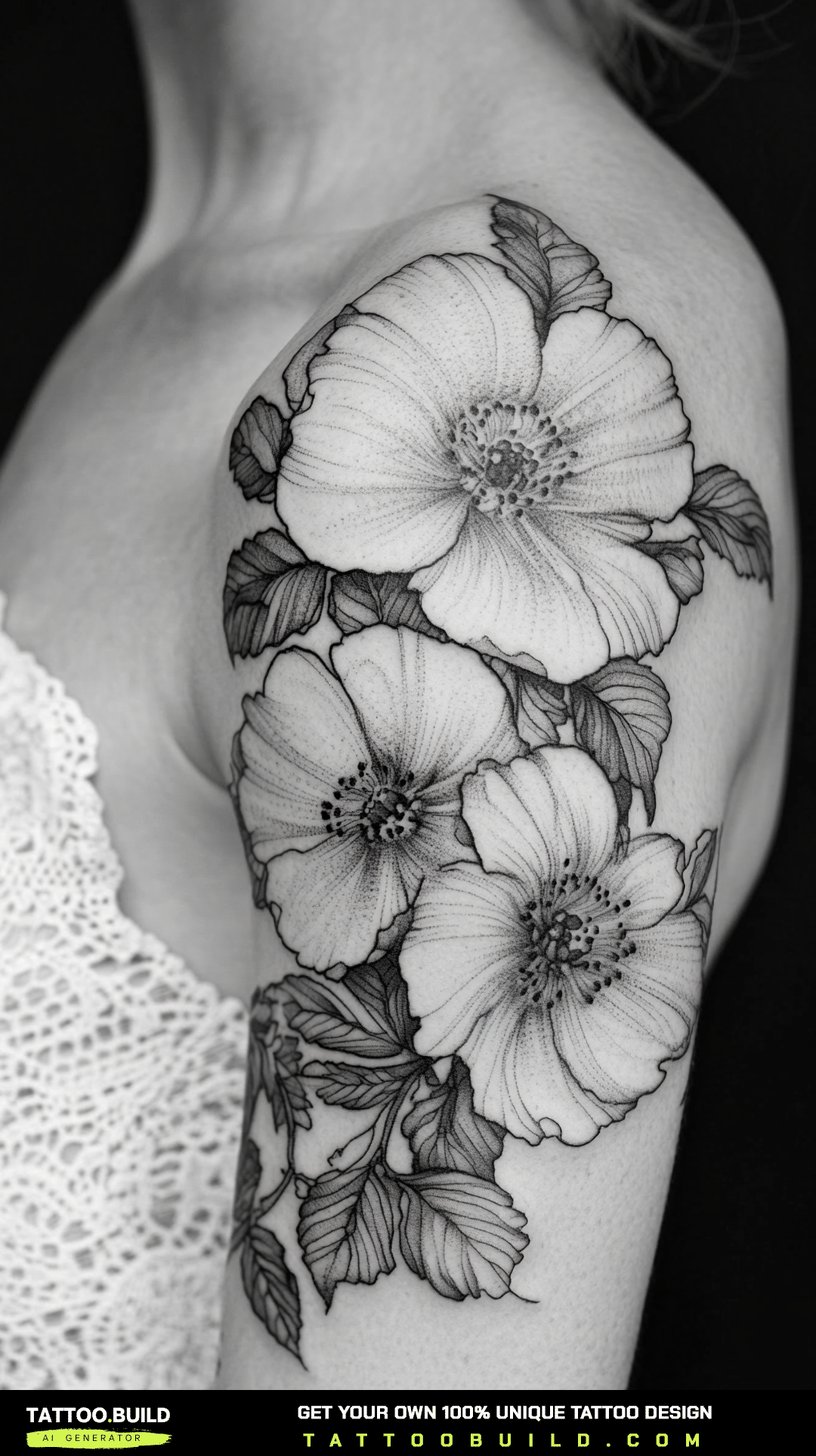
Florals are the most requested shoulder design I have seen, and there is a practical reason beyond aesthetics.
Flowers are organic and asymmetric, so they forgive the curve of the deltoid in a way a straight-edged design cannot. A slightly wonky petal reads as natural; a slightly wonky square does not.
The choice that actually matters is scale. A single large bloom on the shoulder cap will still read clearly in fifteen years. A dense spray of tiny buds will merge into a grey mass much sooner.
In my experience the pieces people are happiest with long-term have one dominant element and a few supporting ones, rather than an even carpet of detail. If you want to see the range before deciding, the floral shoulder tattoo collection is a good place to browse.
2. Mandala and Ornamental Designs
The shoulder cap is one of the few places on the body with a natural centre point, which is exactly what a mandala needs.
The bone at the top of the shoulder gives the artist an anchor, and the roundness of the muscle lets the pattern radiate outward without distorting badly when the arm moves.
Ornamental work is also the easiest style to extend later. A mandala that stops at the deltoid can grow into a half sleeve without redrawing anything, which is not true of a portrait or a landscape.
The trade-off is time. Dense ornamental work on the shoulder is usually a longer sitting than people expect, and some artists prefer to split it across two sessions rather than push through in one.
When I have seen these age badly, it has almost always been because the dot work was too tight rather than because the design was wrong.
3. Trees, Mountains and Landscape Work
Landscape designs suit the shoulder because they have a natural horizon line, and the shoulder gives you a clean horizontal band to place it on.
Mountains in particular work at almost any size. A minimal outline the width of two fingers reads perfectly well, and so does a full scene wrapping the deltoid.
Trees are trickier. Branch detail is the first thing to blur, so I would rather see a tree with fewer, thicker branches than a botanically accurate one with hairline twigs.
For a broader look at combining the two motifs, the mountain and tree tattoo guide covers how artists usually balance them.
4. Birds, Butterflies and Animal Motifs
Animal designs on the shoulder split cleanly into two camps, and they behave very differently.
Bold black and grey work — ravens, wolves, big cats — uses the roundness of the shoulder to create depth. The curve does half the shading work for the artist.
Fine-line insects and small birds are the opposite. They rely on delicate detail that the shoulder’s sun exposure will soften faster than a covered placement would.
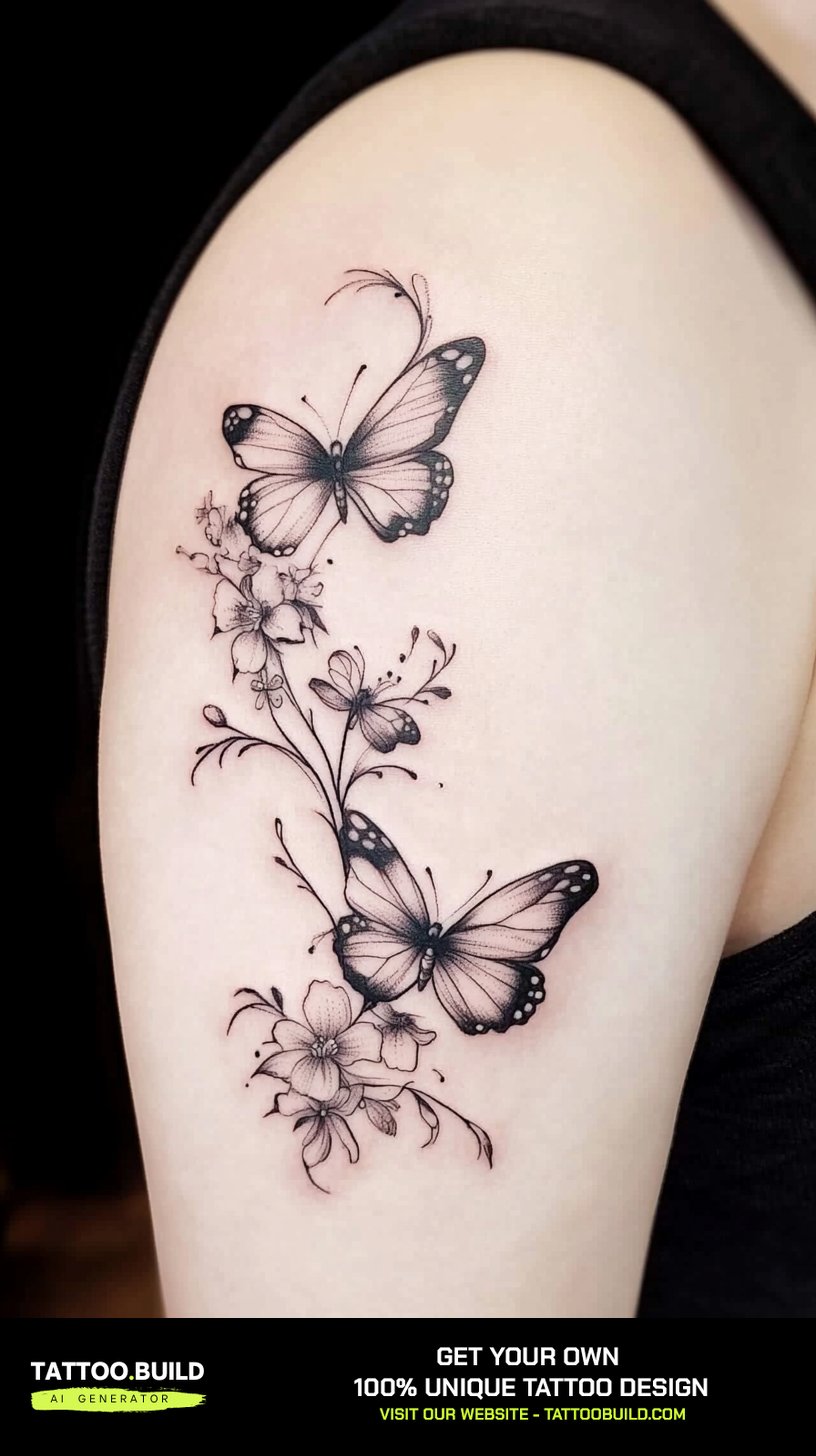
Butterflies remain the most requested small motif I see, and they scale unusually well — one large butterfly or a scattered group both work here. The butterfly tattoo ideas collection shows how differently they read at different sizes.
5. Script and Quote Tattoos
Lettering on the shoulder has one specific advantage: the curve means a phrase can follow the shoulder line rather than sitting as a rigid straight bar.
Letter spacing is the whole ballgame with script. A phrase set tight will close up as the ink spreads, and the loops in cursive are the first casualties.
I always suggest reading the phrase out loud a few times over several weeks before booking. Words age differently than images do — a design you outgrow is still a nice design, but a phrase you outgrow reads as dated.
Keeping it short helps in every direction: cheaper, faster to heal, and easier to place well.
6. Fine-Line Abstract and Colour Work
Abstract designs — lightning, brushstrokes, loose geometric fragments — give you a lot of freedom about where the piece starts and stops.
Colour on the shoulder deserves a specific warning. Pale blues, yellows and pastels are the shades I have watched fade fastest, and the shoulder gets more direct sun than almost anywhere else you might put them.
That does not mean avoid colour. It means going in knowing you are signing up for daily sunscreen and probably a refresh down the line.
If that upkeep does not appeal, the same designs in solid black hold their contrast for far longer with no ongoing effort beyond normal sun sense.
7. Portrait and Neo-Traditional Pieces
Portrait work on the shoulder is the most technically demanding option on this list, and the least forgiving of a mismatched artist.
The curve of the shoulder that helps a mandala actively works against a face. A portrait drawn flat and applied to a rounded surface will look subtly wrong, and it takes real skill to compensate at the stencil stage.
This is the one category where I would travel and wait rather than book locally and soon. Look for healed photos of the artist’s portrait work specifically, not fresh ones.
Neo-traditional versions — stylised faces framed by flowers — are more forgiving than photorealism, because the bolder outlines hold the shape even as the shading softens.
8. Compass, Travel and Symbolic Designs
Compasses have been steadily popular for years, and the shoulder suits them because a circular design needs a broad flat-ish area to stay circular.
Place a compass across a joint or a sharply curved surface and it reads as an oval from most angles. The shoulder cap and blade both avoid that problem.
Most of the ones I see are paired with florals, which softens what is otherwise quite a rigid, technical motif.
The same logic applies to clock faces, moon phases and any other design where a true circle is the point of it.
Placement Variations Worth Considering
“Shoulder tattoo” covers at least four distinct placements, and they behave differently enough to be worth separating.
Back Shoulder and Shoulder Blade
The most concealable option on the list. A back-shoulder piece is invisible in almost any top with a normal back, which makes it the standard recommendation for conservative workplaces.
It is also the flattest surface in the region, so it holds circular and symmetrical designs best. The downside is obvious — you will only ever see it in a mirror.
If a single bold subject appeals more than a spread, the back shoulder rose designs are a good reference point.
Bohemian and Dreamcatcher Designs
Dreamcatchers and similar hanging designs suit the shoulder specifically because gravity works in their favour — feathers and beads trailing down the arm look natural.
These are usually larger than people expect once the hanging elements are included, so ask for a full-size stencil placement before committing.
A note on this one: dreamcatchers come from specific Indigenous cultures. It is worth reading about their origins and deciding for yourself how you feel about wearing one.
Extending Into a Half Sleeve
If there is any chance you will want a sleeve one day, tell your artist before the first session, not after.
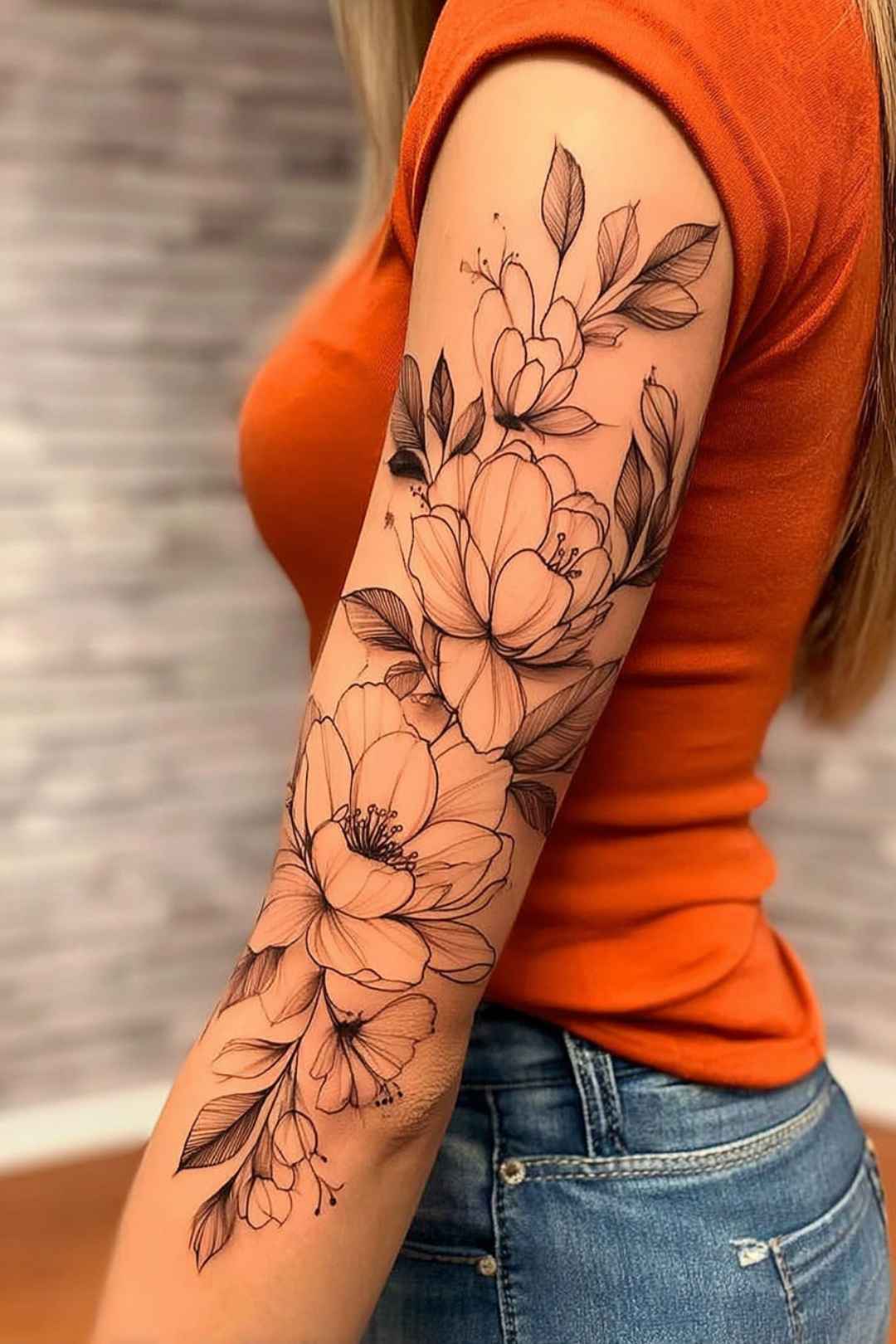
A shoulder piece designed in isolation often has to be worked around awkwardly later. One designed with an exit point flows into the rest naturally. The half sleeve designs for women gallery shows how the transition usually gets handled.
Front Shoulder and Collarbone
The front shoulder shows in a tank top or a wide-neck shirt, which is the point for some people and the problem for others.
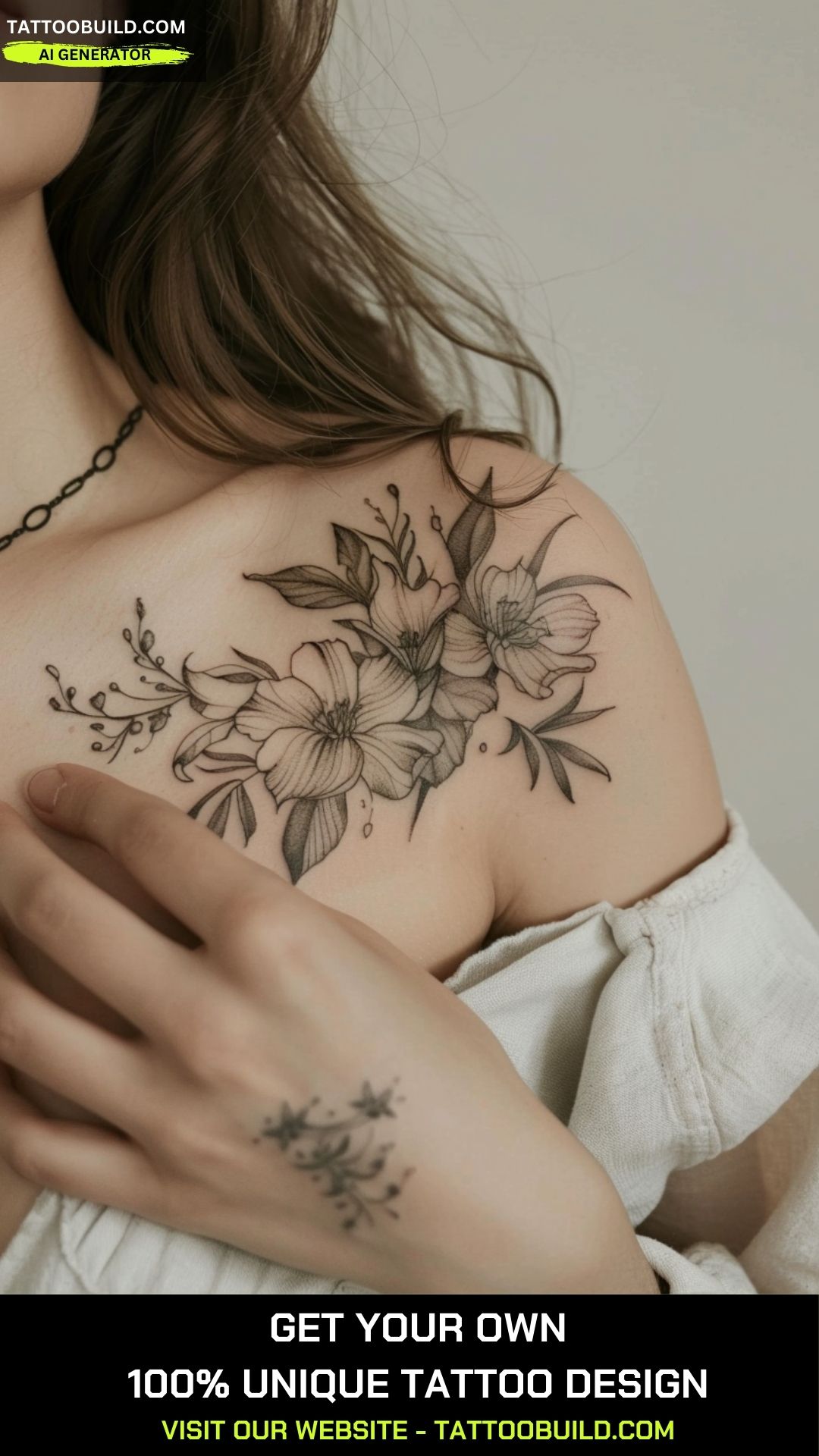
It is a smaller usable area than the back, and it sits closer to the collarbone, where the skin is thinner and the sitting is noticeably sharper. Pieces here tend to be more compact by necessity. The upper arm floral ideas gallery covers designs that sit comfortably in this zone.
Aftercare and Practical Advice
Your artist’s instructions override anything written here — they know what they put in your skin and what products they use. What follows are the shoulder-specific issues that come up repeatedly.
Clothing is the number one aftercare problem with shoulder tattoos. Bra straps, backpack straps and handbag straps all sit directly on the healing area and will rub. Plan for loose tops and a bag you can carry on the other side for the first week or two.
Sleeping position is the second. If you are a side sleeper, you may need to switch sides temporarily, and clean bedding matters more than usual during the first few nights.
Sun protection is not just a healing-week issue. Once healed, high-SPF sunscreen on the area whenever it is exposed is the single most effective thing you can do to keep the piece looking sharp. The American Academy of Dermatology has clear guidance on caring for tattooed skin.
On safety: if you notice spreading redness, increasing pain after the first few days, swelling, pus or a fever, contact a doctor rather than waiting it out or asking online. Allergic reactions to tattoo pigment are uncommon but real, and both the FDA and the Mayo Clinic document what to watch for. Nothing in this article is medical advice.
Still Not Sure? Common Mistakes to Avoid
The regrets I hear about are almost never “I picked the wrong flower.” They cluster around a few specific decisions.
Going too small is the most common. People shrink a design to feel safer, and detail that was legible at full size closes up during healing. If an artist suggests going bigger, they are usually protecting the design, not upselling you.
Booking on availability rather than portfolio is the second. Waiting three months for the right artist beats booking next week with someone whose healed work you have not seen.
Not planning for the rest of the arm is third — covered above, but worth repeating because it is the one that is hardest to undo.
If you are still weighing the placement itself, it is worth comparing against classy arm tattoo ideas and the broader classy tattoo designs for women before you book anything.
Frequently Asked Questions
How painful is a shoulder tattoo?
The outer shoulder cap is generally considered one of the more comfortable placements, because there is muscle underneath and relatively few nerve endings close to the surface. Pain increases as the design moves toward the collarbone or into the underarm area, where skin is thinner and bone is closer. That said, pain tolerance varies enormously between individuals, so treat any ranking as a rough guide rather than a promise. Being well rested, well fed and hydrated on the day makes a bigger difference than most people expect.
How long does a shoulder tattoo take to heal?
The surface usually looks healed within two to three weeks, with peeling and flaking through the first ten days or so. The deeper layers continue settling for a couple of months, which is why colours look slightly dull before they brighten again. Shoulder pieces can heal slightly slower than average if clothing straps are rubbing the area. Follow your artist’s specific timeline rather than a generic one.
Will a shoulder tattoo stretch if I gain or lose weight?
The shoulder is one of the more stable areas on the body for this, because it is largely muscle and bone rather than fat. Moderate weight changes rarely distort a shoulder piece noticeably. Significant weight change or major muscle gain can shift proportions slightly, as can pregnancy in some cases. It is one of the reasons artists often recommend the shoulder over the stomach or upper thigh.
Can I go straight into a sleeve from a shoulder tattoo?
Yes, and the shoulder is the most common starting point for exactly that reason. The key is telling your artist about the long-term plan before the first session so they can leave a natural transition rather than a hard edge. Retrofitting a sleeve around a self-contained shoulder piece is possible but usually means compromises. If you think a sleeve is even a maybe, mention it.
How much does a shoulder tattoo cost?
It varies too much by region, artist experience and design complexity for a single figure to be useful. What is consistent is the structure: most artists charge either by the hour or a flat rate for the piece, and highly detailed or multi-session work costs proportionally more. Ask for a quote at the consultation, and be cautious about prices that seem far below local norms. Cheap tattoos are rarely good and good tattoos are rarely cheap is a cliché because it holds up.
Quick Summary
- The shoulder is stable, low-stretch and easy to conceal, which is why it suits a first significant tattoo.
- Line weight and spacing matter more for longevity than the subject you choose.
- Florals and mandalas suit the shoulder’s curve; portraits and perfect circles need more care in placement.
- Colour work, especially pale shades, fades faster here than almost anywhere else on the body.
- Back shoulder is the most concealable option; front shoulder is the most visible and slightly sharper to sit through.
- Tell your artist before the first session if a sleeve is a possibility later.
- Bra, bag and backpack straps are the main aftercare obstacle — plan clothing around them.
- Spreading redness, pus or fever means see a doctor, not an internet forum.