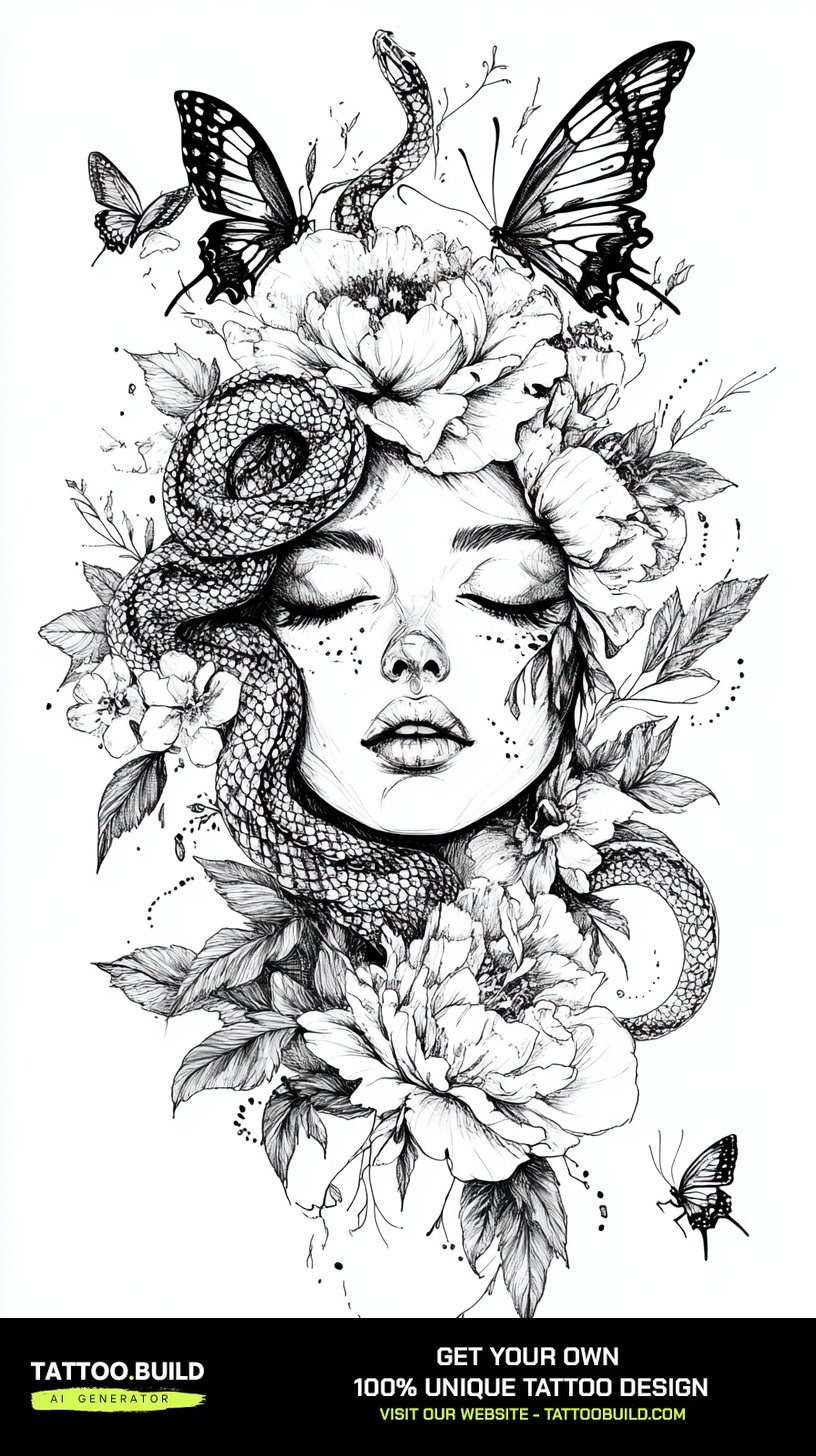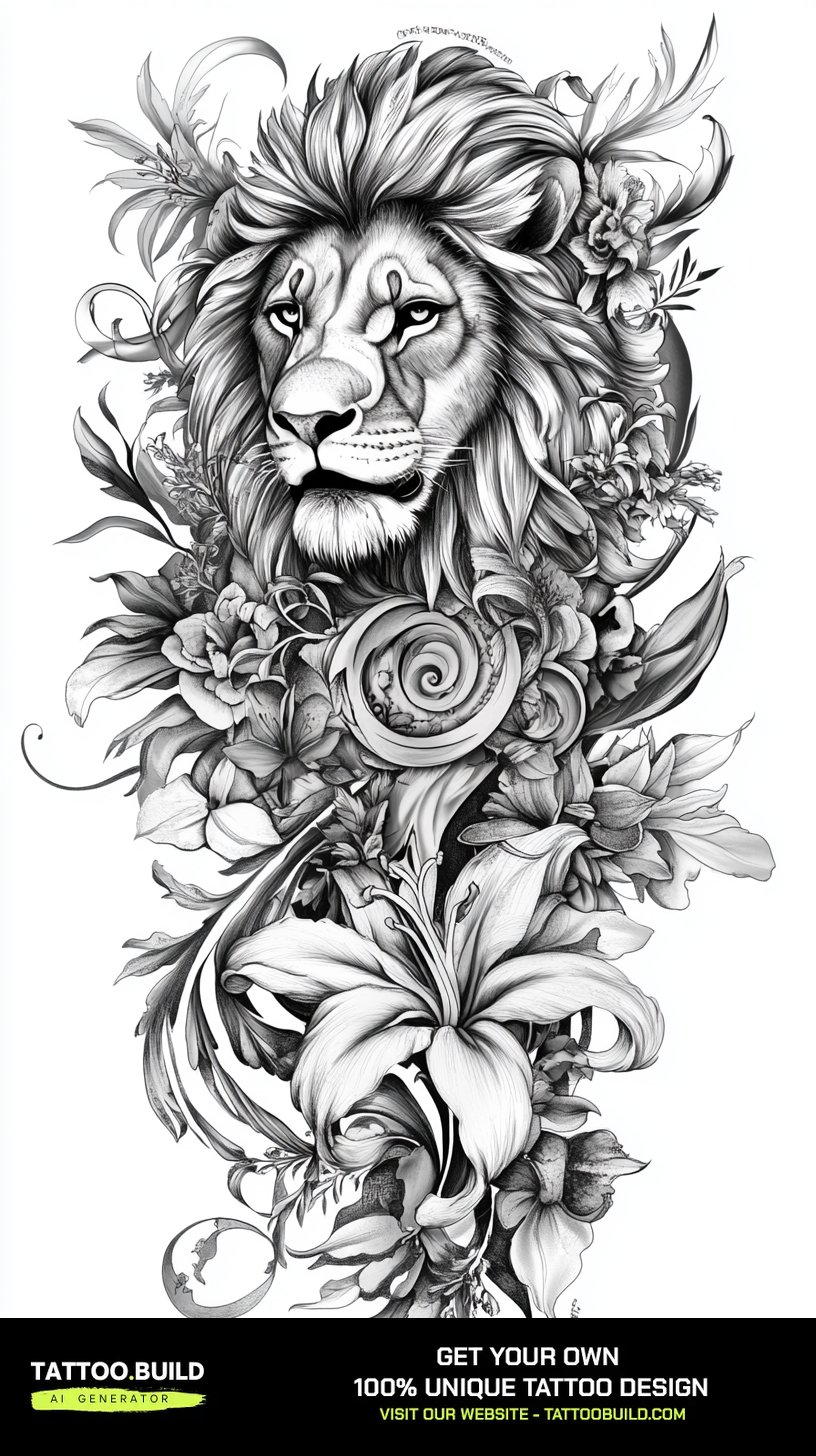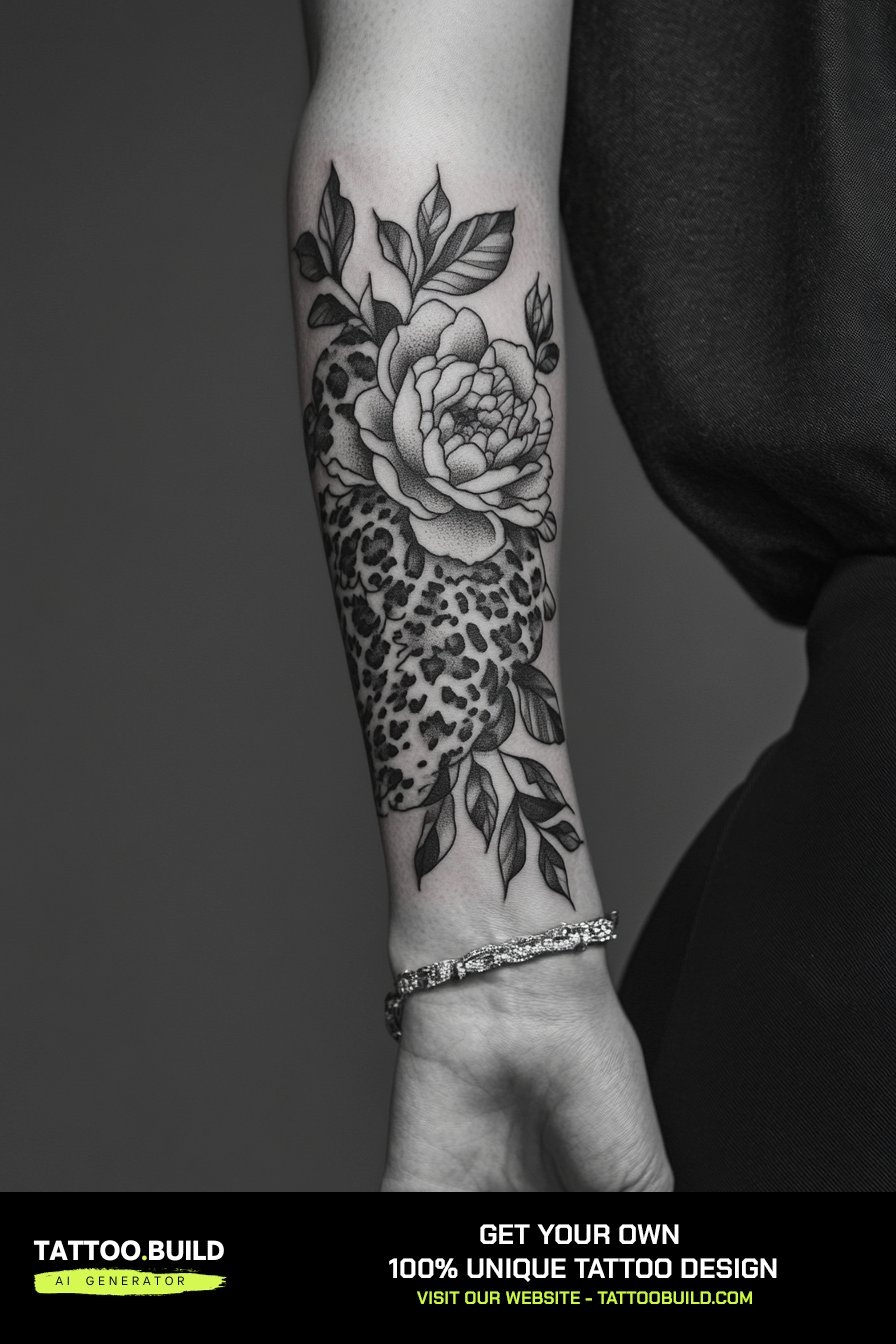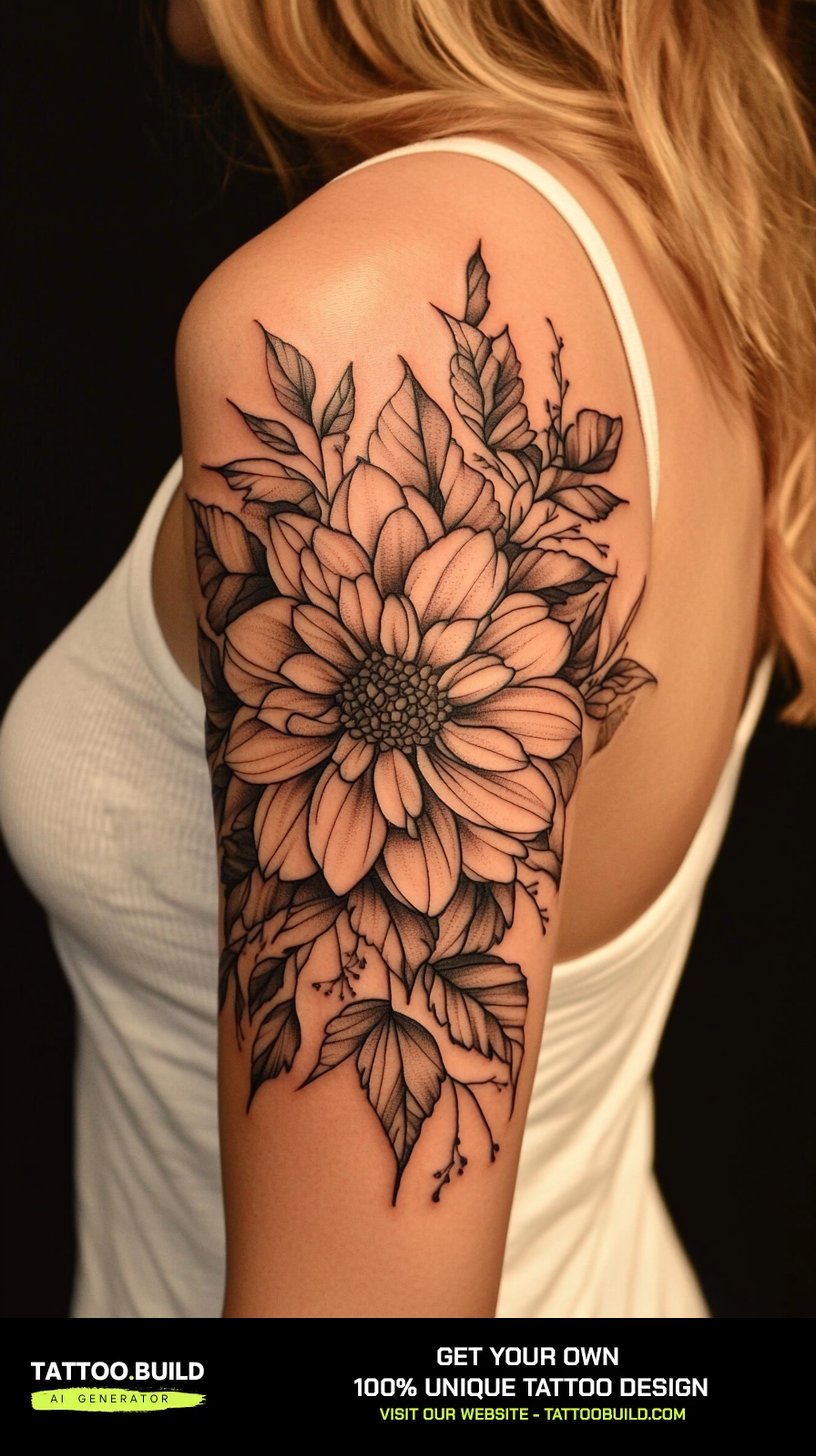
I have been drawing and collecting half sleeve references for years, and the same thing comes up in almost every consultation I sit in on: women want the impact of a sleeve without the commitment of a full arm. A classy half sleeve works because it gives an artist enough room to build a real composition while still stopping at a line you can cover with a shirt sleeve.
The drawings below are the styles I keep coming back to when someone says “elegant, not loud.” Fine line botanicals, ornamental lace, soft blackwork, and quiet celestial pieces.
What surprised me most when I started paying attention to how these age is that the design itself matters less than the spacing. The pieces that still look good after eight or ten years are the ones with breathing room, not the ones packed edge to edge.
If you are still deciding between a half and a full arm, it is worth scanning some full sleeve tattoo ideas for women first so you know what the next step up actually looks like.
Which Half Sleeve Style Is Right for You?
I put this together after comparing notes with the artists I trust most. The session counts are rough ranges from what I have watched booked, not a quote.
| Style | Signature Look | Typical Sessions | How It Ages |
|---|---|---|---|
| Fine line botanical | Thin stems, airy gaps, no heavy black | 2–3 | Softens noticeably; expect a touch-up eventually |
| Ornamental / lace | Symmetry, dotwork, jewellery-like chains | 3–4 | Very well when line weights are varied |
| Botanical blackwork | Solid black shapes, strong negative space | 3–5 | The most forgiving of the group |
| Illustrative / neo-traditional | Bold outlines, muted colour, storybook feel | 4–6 | Holds shape well; colour may need refreshing |
| Micro realism | Smooth grey wash, photographic detail | 4–7 | The most demanding; sun protection is non-negotiable |
| Celestial fine line | Moon phases, stars, small symbols | 2–3 | Good, provided the smallest details are not overworked |
What Actually Makes a Half Sleeve Look Classy
“Classy” is not a style, and that is the first thing I try to explain when someone brings me a folder of screenshots. It is a set of decisions about restraint.
The single biggest factor is negative space. In my experience, sleeves that leave roughly a third of the skin untouched read as designed. Sleeves that fill every gap read as busy, no matter how good the individual drawings are.
The second factor is line weight variation. A piece drawn entirely in one thin line looks flat from more than a metre away, and it is the reason so many delicate sleeves photograph beautifully but disappear in person.
Third is flow. The arm is a cylinder that twists, and a design that ignores that will look correct in a flat drawing and wrong on the body. Every artist I have asked builds a stencil directly on the arm for this reason rather than trusting a paper sketch.
Finally there is subject restraint. Two or three motifs handled well almost always beats six motifs crammed together, and it leaves you room to extend later if you want to.
Female Classy Half Sleeve Tattoo Drawings Worth Saving
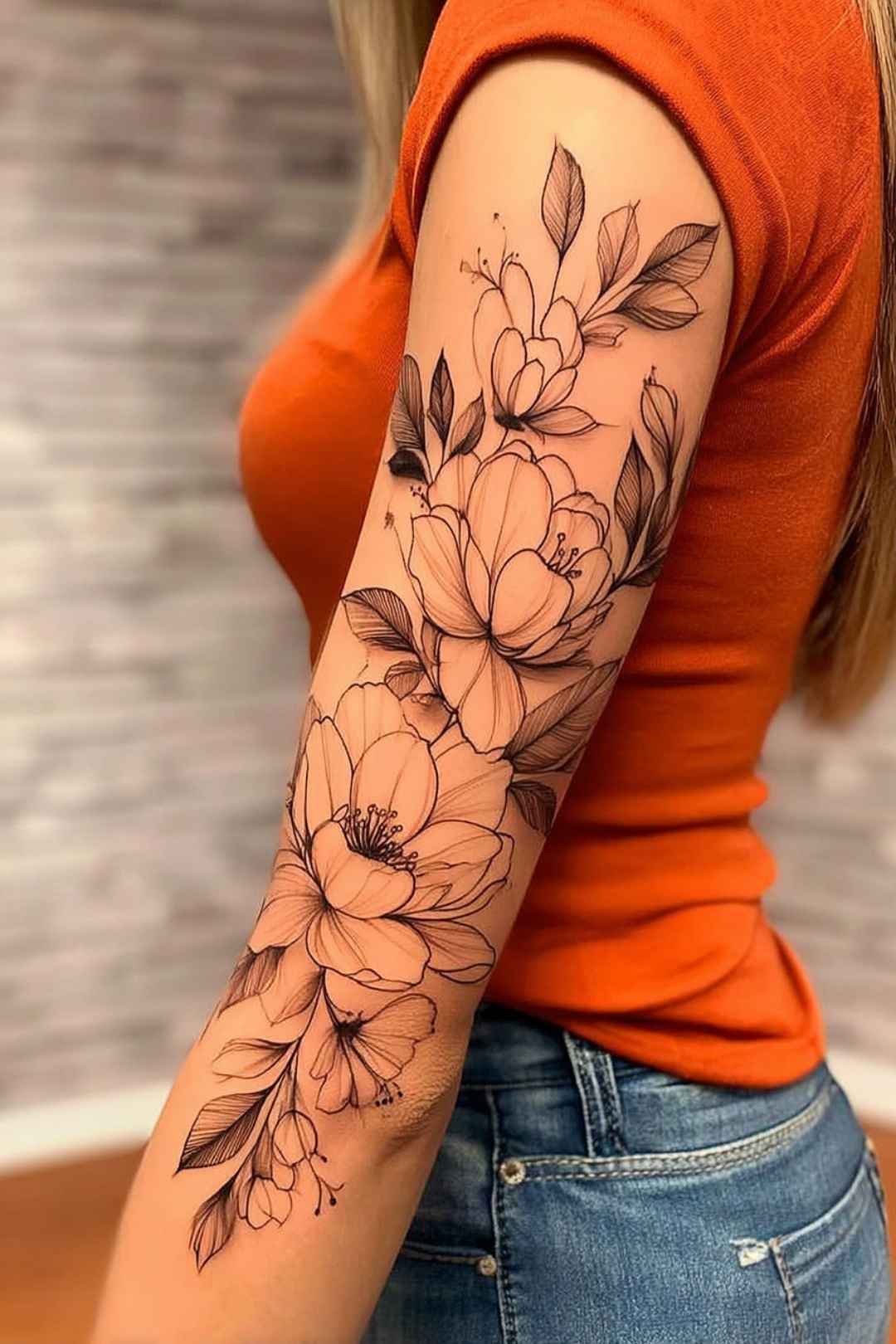
1. Fine Line Floral Wraps
This is the most requested version of the classy half sleeve, and for good reason: it is soft, it suits almost every arm shape, and it is the least intimidating first big piece.
The stems spiral around the arm rather than sitting flat on the outer face, which means the design keeps working when you turn your wrist. Roses, ranunculus, and wildflowers are the usual anchors, though I have seen peony tattoo ideas used to gorgeous effect as the single large bloom near the shoulder.
The honest limitation is longevity. Very fine linework spreads over time, especially on the inner arm where the skin is thinner. Most artists I know recommend accepting a touch-up somewhere in the first decade rather than pretending it will not need one.
If you like this direction but want it smaller, the same drawing scaled to the lower arm is covered in our guide to a floral half sleeve on the forearm.
2. Botanical Blackwork with Negative Space
Blackwork botanicals are, in my opinion, the most underrated classy option. Solid black leaf silhouettes with untouched skin between them hold up better than anything else on this list.
The look is graphic rather than delicate, so it suits people who want something with real presence. It also photographs well, which matters more to people than they usually admit.
When I tested how these read at distance against fine line pieces, the blackwork designs were still legible at ten paces while the thin florals had blurred into a smudge. That gap only widens as a tattoo ages.
The catch is that it is close to permanent in a way fine line is not. Solid black is difficult to cover and slow to remove, so commit properly or pick something lighter.
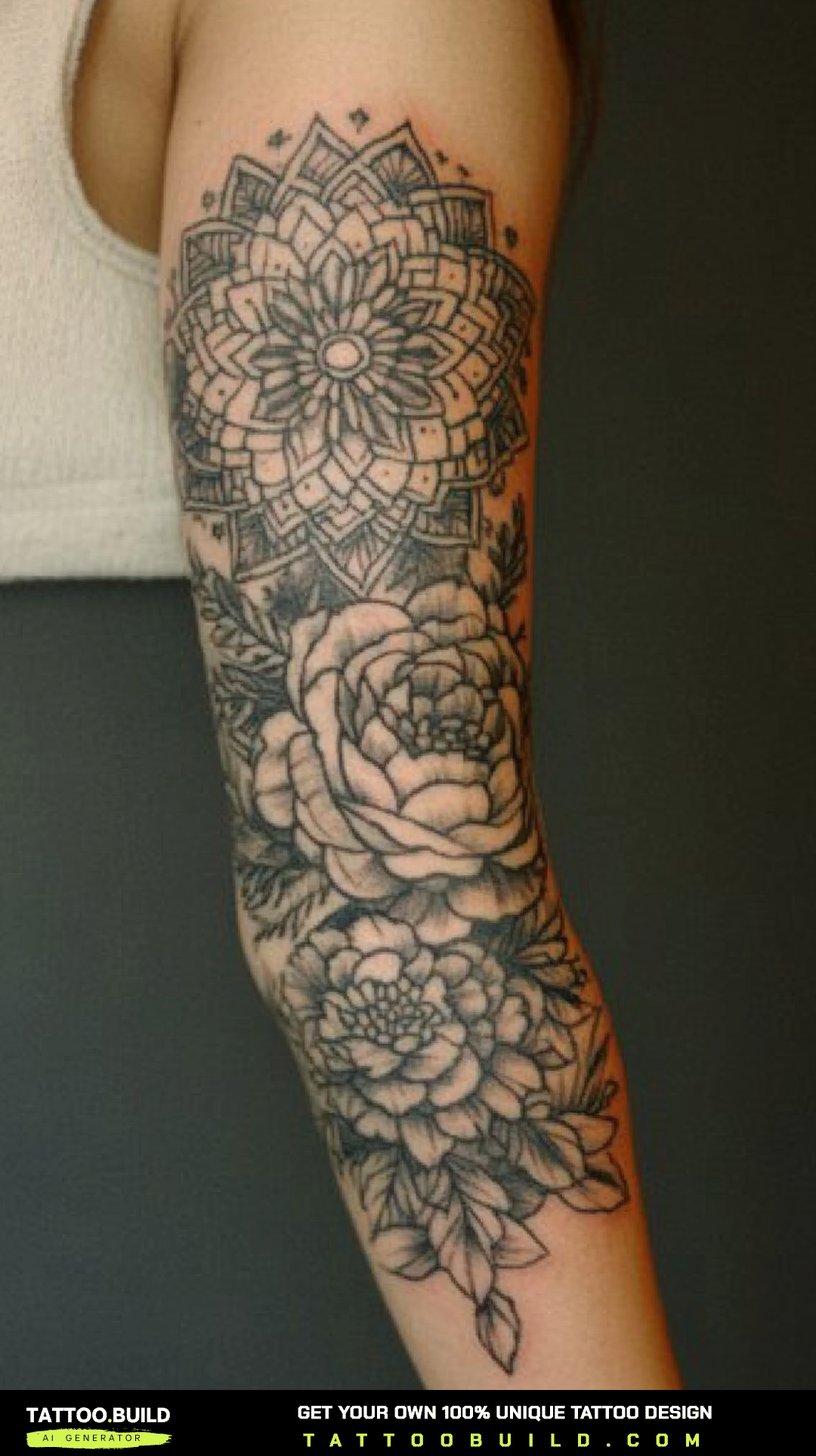
3. Ornamental Lace and Filigree
Ornamental work borrows from jewellery, architecture and textile patterns rather than from nature. Think garters, chains, symmetrical dotwork panels and lace cuffs.
It suits the shoulder cap unusually well because the pattern can follow the curve of the deltoid, which gives it a fitted, tailored quality that florals rarely achieve.
Every ornamental artist I have watched works from the centre line outward to keep the symmetry honest, and it is slow. Budget more chair time than the size of the piece suggests.
A round centrepiece pairs naturally with this style if you want a focal point — there are plenty of examples in our collection of mandala tattoo ideas for women.
4. Celestial and Astronomy Themes
Moon phases running up the outer arm remain one of the cleanest half sleeve layouts there is, because the repetition creates rhythm without needing much filler.
Mixed with fine florals, a crescent moon at the shoulder gives the whole sleeve an anchor point, which is the thing most patchwork designs are missing.
Keep the smallest stars larger than feels necessary. Tiny dots and hairline rays are the first details to blur, and I have seen more disappointed touch-up appointments over three-millimetre stars than over anything else.
Celestial motifs also mix well with script, which is useful if you want meaning in the piece without a large literal symbol.
5. Soft Illustrative Animals and Birds
Birds, moths, butterflies and small mammals give a floral sleeve movement and stop it feeling like wallpaper.
The trick is integration. An animal that sits on top of the flowers looks pasted on; one that is partly hidden behind a stem or breaking a border looks intentional.
Neo-traditional artists handle this best in my experience, because the style is built around bold outlines and layered depth rather than pure detail.
Muted colour works better than full saturation here. Dusty greens, ochres and faded reds age into something that still looks deliberate rather than dated.
6. Micro Realism and Grey Wash
This is the most technically demanding style on the list and the one I would be most careful about booking. Micro realism lives or dies on the artist, not the reference.
Smooth grey gradients, realistic petals and statue fragments look extraordinary when healed well. They also lose contrast faster than any other style.
Every realism specialist I have spoken to says the same two things: use sunscreen on it forever, and plan for a refresh. That is not a sales pitch, it is how soft shading behaves in skin.
If you want this look, travel for the right artist. A mediocre micro realism sleeve is far worse than a good fine line one.
7. Script, Quotes and Symbol Clusters
Lettering down the inner arm or a small cluster of meaningful symbols is the quietest way to build a half sleeve, and it suits people who want personal rather than decorative.
Size the script up. Fine cursive at small scale is the most common regret I hear about, because the letters close in on themselves as the ink settles.
A short phrase paired with a couple of botanical accents tends to age better than a long passage, and it leaves room to add pieces later.
If you are building the sleeve gradually, our sleeve filler ideas are useful for working out how to link separate elements without redrawing everything.
If a Full Half Sleeve Feels Like Too Much
Not everyone should start with a half sleeve, and there is no shame in scaling down. These are the alternatives I suggest most often.
Quarter Sleeve (Shoulder Cap Only)
This covers the shoulder and stops above the bicep. It is the best trial run there is: one or two sessions, easy to hide, and it can be extended downward later without redesigning anything.
Patchwork Built Over Years
Separate pieces added gradually, with the gaps filled in once you know what you actually want. Slower and usually more expensive overall, but far less risky than committing to one large composition on day one.
Inner Arm Panel
A single vertical panel on the inner arm is nearly invisible in normal posture and highly visible when you choose. It hurts more than the outer arm, which is worth checking against a tattoo pain chart before booking.
Forearm Only
The lower arm heals faster, hurts less, and gives you a genuine sense of whether you enjoy sitting for long sessions. Plenty of the sleeve tattoos for women in our archive started as a single forearm piece.
Planning, Healing and Protecting the Linework
Book a consultation before you book the tattoo. A good artist will redraw your idea into their own style, and seeing that drawing before deposit day saves a lot of grief.
Expect the outline session to be the longest and the shading sessions to be more uncomfortable. In my experience the inner bicep and the elbow ditch are where people ask for a break.
For healing, follow whatever your artist tells you first — they know their ink and their technique. The general principles are well covered by the American Academy of Dermatology, and our own tattoo aftercare guide walks through the first two weeks day by day.
If you see spreading redness, swelling that worsens after day three, pus, or a fever, see a doctor rather than asking the internet. Infections and ink allergies are real, they are not common, and they are treatable when caught early. The Mayo Clinic overview of tattoo risks is a sensible plain-language starting point, and the FDA guidance on tattoo safety covers ink-related reactions. Nothing in this article is medical advice.
Long term, sunscreen is the whole game. Grey wash and fine line both fade under UV faster than solid black, and daily SPF on an exposed arm is the cheapest touch-up prevention available.
Common Mistakes I See With Half Sleeves
Choosing an artist by price rather than portfolio. A half sleeve is a multi-session relationship, and the cheapest chair is rarely the one you want to sit in five times.
Filling every gap. Once the negative space is gone it cannot be recovered without a cover-up, and cover-ups on a busy sleeve are genuinely hard.
Designing flat. Ask to see the stencil on your arm from three angles before the needle starts, including from behind.
Going too small too soon. If you already know you want a sleeve, starting with three scattered mini tattoos usually makes the eventual composition harder, not easier.
Still deciding? Compare the delicate end of the spectrum in our fine line sleeve tattoo ideas against the heavier options in sleeve tattoos for women — the difference in feel is bigger than most reference photos suggest.
Frequently Asked Questions
How long does a female half sleeve tattoo take?
Most classy half sleeves I have seen booked run between two and six sessions, depending on the style and how much shading is involved. Fine line botanicals sit at the short end and micro realism at the long end. Sessions are usually three to five hours, with several weeks of healing between them. Your artist will give you a realistic count once they have drawn the actual design.
Does a half sleeve hurt more than a forearm tattoo?
It varies by section rather than by the sleeve as a whole. The outer upper arm is generally one of the easier places to sit, while the inner bicep, the armpit side and the elbow ditch are consistently reported as the rough parts. Most people find the outline session more tolerable than long shading passes. Eating properly beforehand and taking scheduled breaks makes a real difference.
Can a half sleeve be covered for work?
Usually yes, which is a large part of the appeal. A shoulder-to-elbow design disappears under a standard short sleeve, and a shoulder-to-mid-bicep quarter sleeve is even easier to hide. If your workplace is strict, tell your artist before the stencil goes on so they can set the lower boundary where you need it.
Should I plan the whole sleeve at once or build it gradually?
Planning the full composition first almost always produces a more cohesive result, because the artist can design the flow around the arm from the start. Building gradually is more flexible and spreads the cost, but linking mismatched pieces later takes skill and sometimes compromise. If you are unsure, a quarter sleeve designed with room to extend is the middle ground I recommend most often.
Will a fine line half sleeve blur over time?
Some softening is normal for any tattoo, and fine line does show it sooner because there is less ink holding the shape. How fast depends on placement, sun exposure, skin type and the artist’s technique. Most people find a touch-up somewhere in the first several years keeps it crisp. If you want the lowest-maintenance option, heavier linework or blackwork is the safer choice.
Quick Summary
- Negative space is what makes a half sleeve read as classy — leave roughly a third of the skin open.
- Vary your line weights, or the design will disappear at any real distance.
- Fine line botanicals are the easiest entry point but need an eventual touch-up.
- Botanical blackwork ages best of everything on this list, at the cost of being harder to cover later.
- Ornamental and lace work suits the shoulder cap because it follows the muscle curve.
- Micro realism is artist-dependent above all else — travel for the right one or pick another style.
- Size small details up: tiny stars and fine script are the most common regrets.
- Daily sunscreen on the arm does more for longevity than any aftercare product.