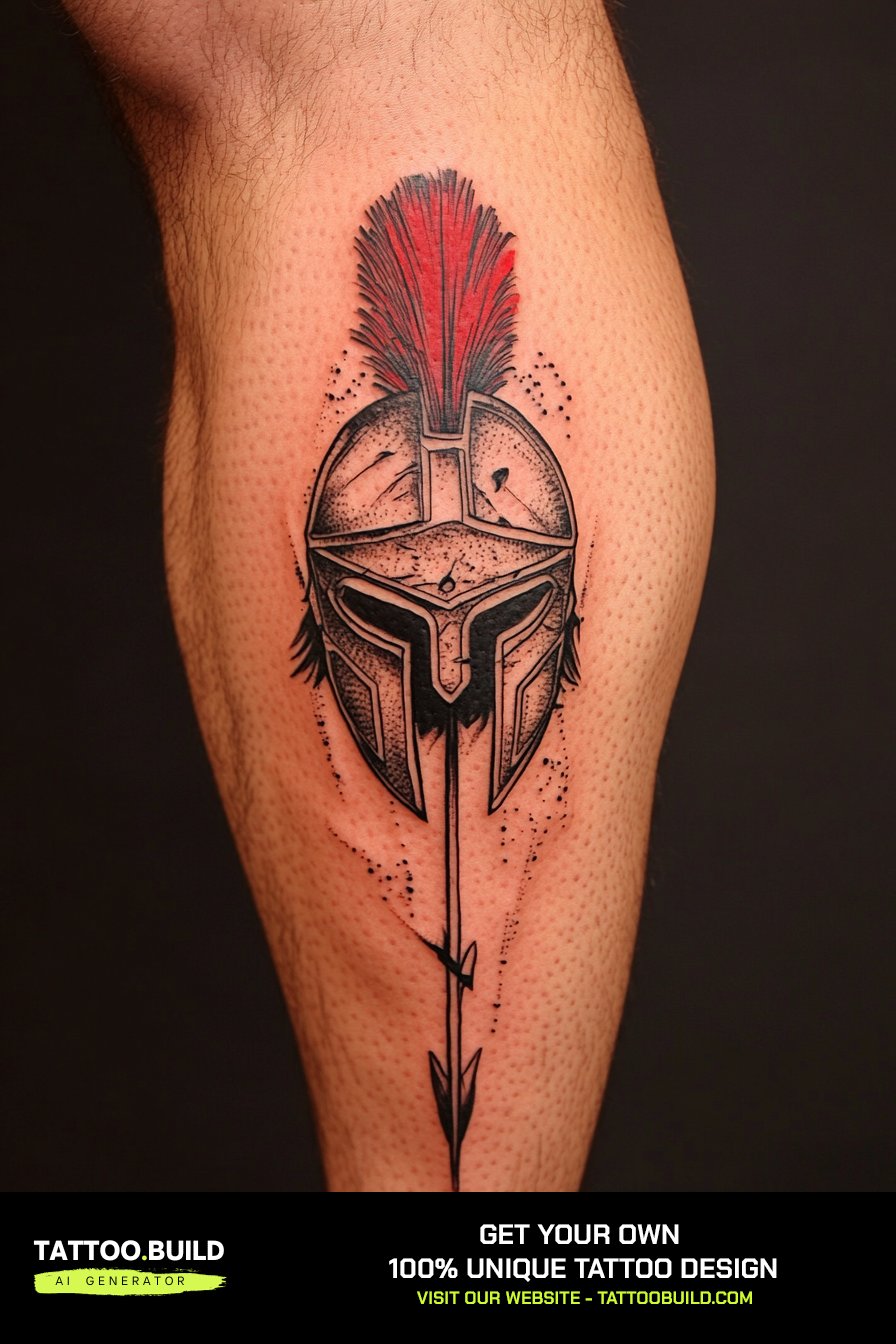
A well-planned leg tattoo for males can carry more meaning per square inch than almost any other placement on the body. The leg gives you room for a single detailed piece, a running sleeve, or something small and quiet — all on the same limb.
I have been getting tattooed for the better part of fifteen years, and in my experience the leg is the placement most clients underestimate. It heals steadily, it hides under jeans on a Monday, and it shows in shorts on a Saturday.
I put together this guide the way I wish someone had walked me through it the first time — style by style, placement by placement, with the trade-offs named. If a full leg sleeve is on your radar, the sections on scale and pacing further down are the ones I would read twice.
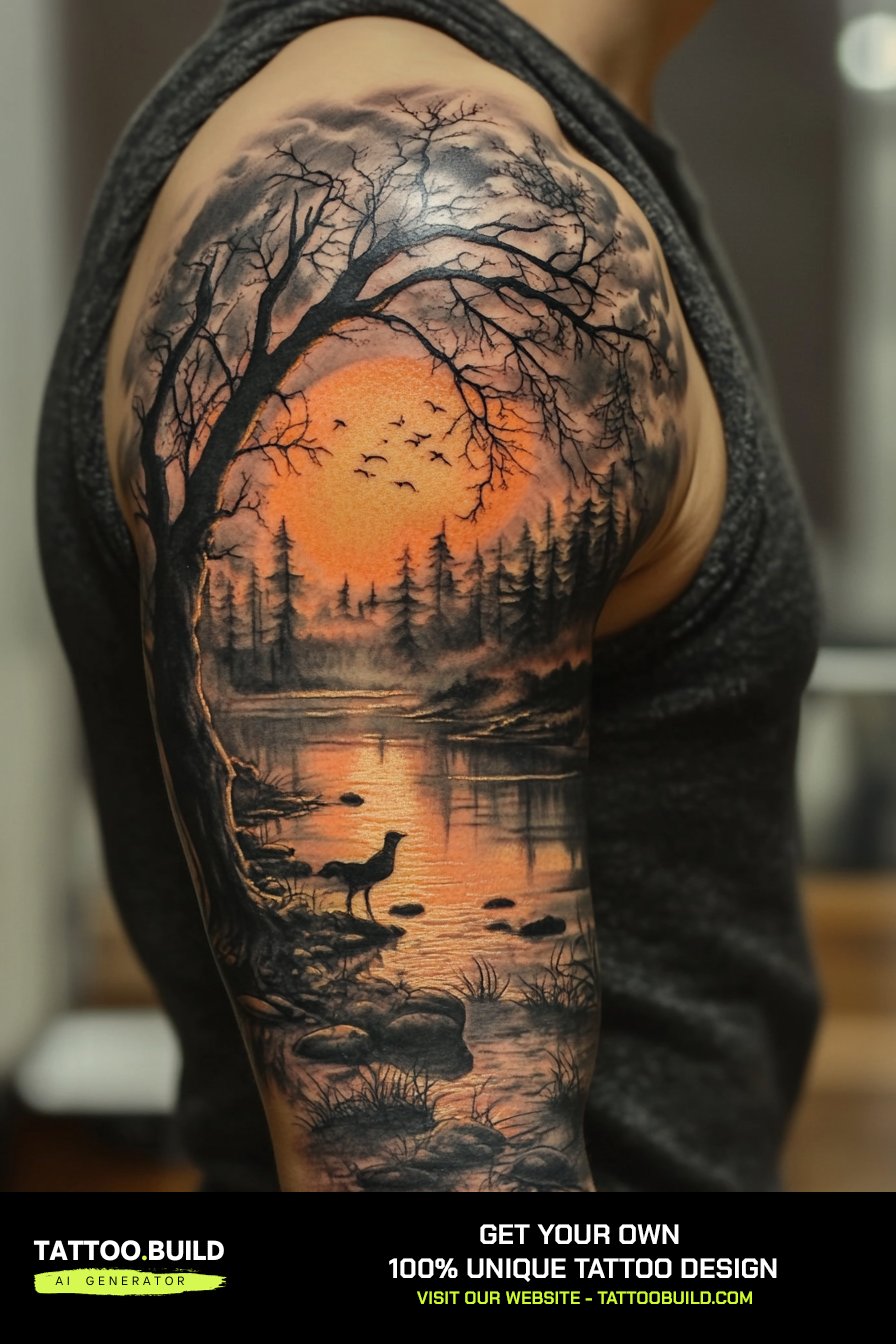
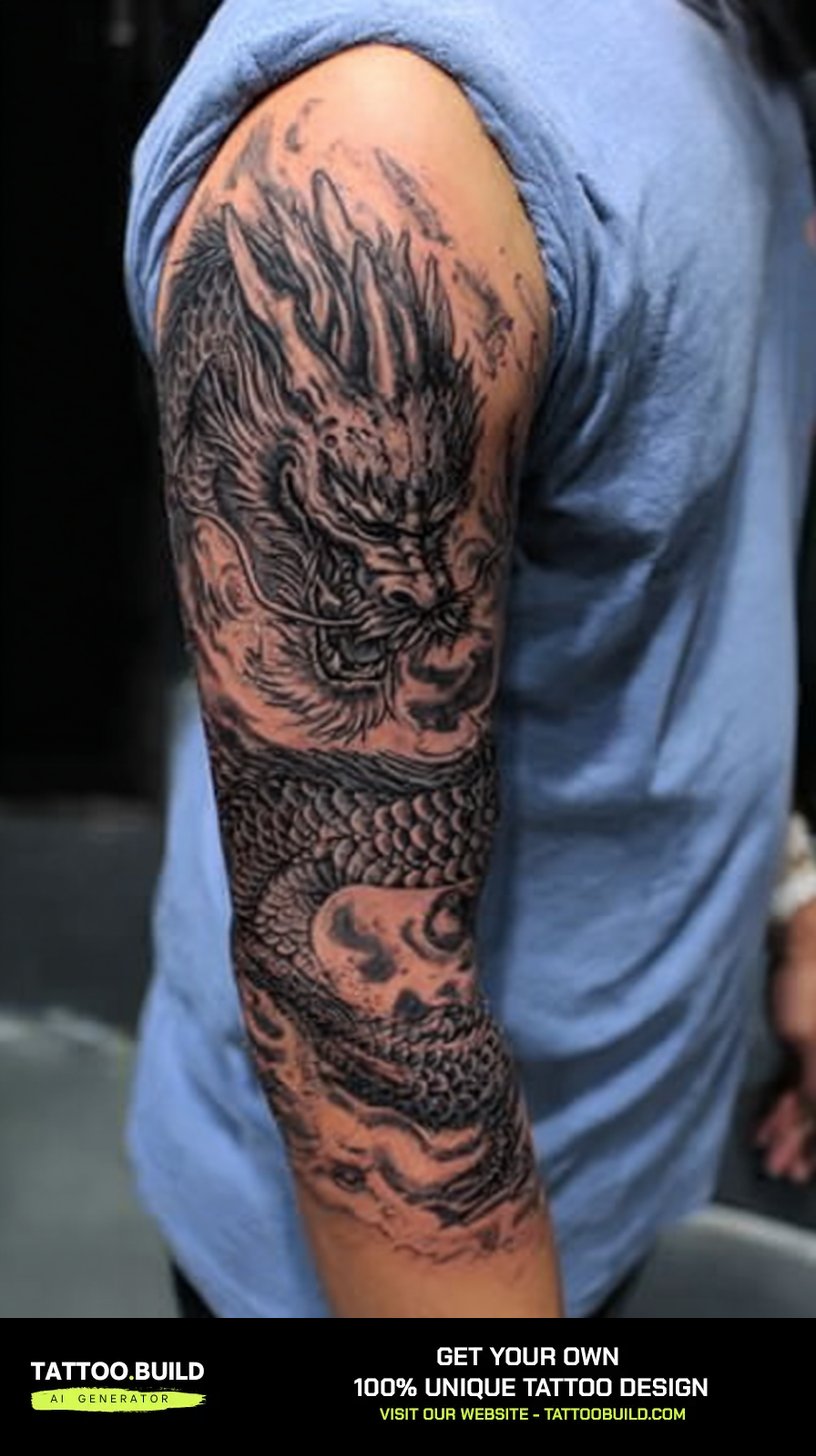
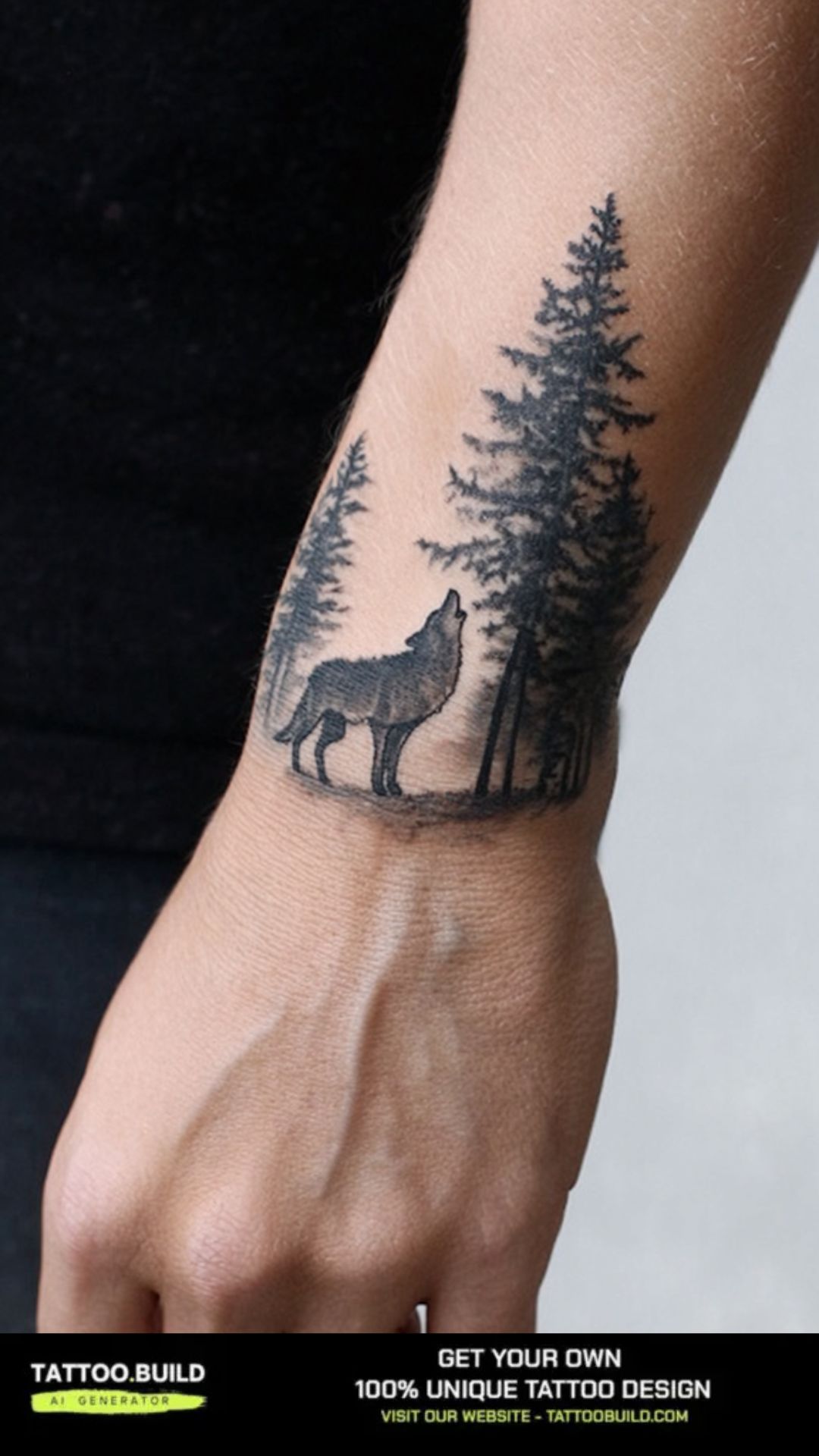
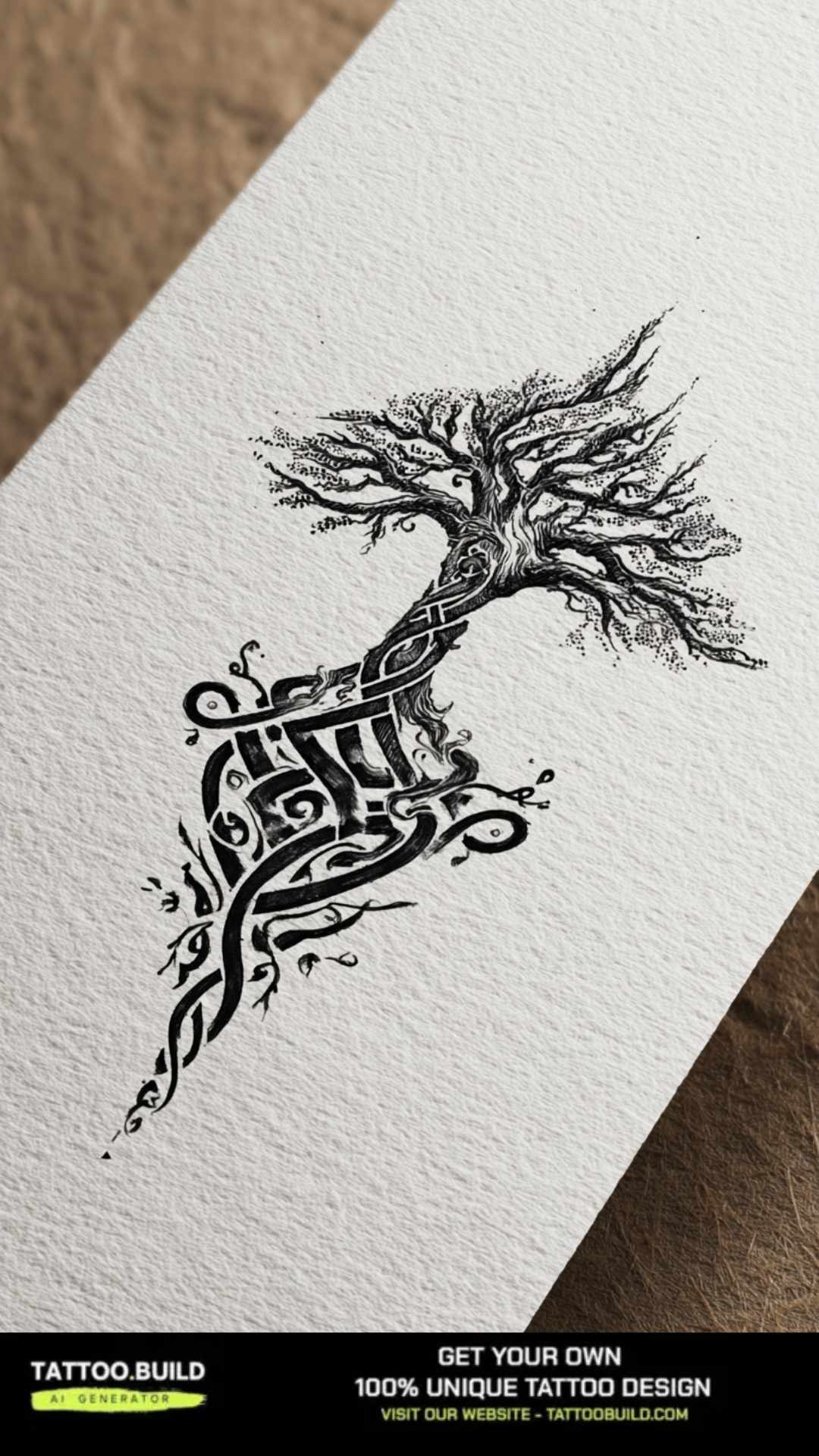
Every piece pictured is a real tattoo on a real leg — some near the ankle, some wrapping the calf, some covering the thigh. Use them to test how a style actually reads on skin, not just on paper.
Which Leg Placement Is Right for You?
Placement matters as much as design. This is the honest cheat sheet I give friends before their first appointment.
| Placement | Pain (1–10) | Best For | Heals In | Watch Out For |
|---|---|---|---|---|
| Thigh (outer) | 3–4 | Large detailed pieces, full portraits | 2–3 weeks | Tight jeans during healing |
| Thigh (inner) | 6–7 | Private pieces, script, delicate work | 2–3 weeks | Friction from walking |
| Calf | 3–5 | Illustrative work, animals, portraits | 2 weeks | Sun exposure in summer |
| Shin | 7–8 | Bold linework, symmetrical designs | 2–3 weeks | Bumping furniture |
| Ankle | 7–9 | Small meaningful pieces, script | 2–4 weeks | Sock friction, slower healing |
| Knee / behind knee | 8–9 | Mandalas, filler between sleeves | 3–4 weeks | Constant flexing while healing |
A quick note on the pain column: those numbers are a rough average across dozens of men I have watched sit for the same placement. Your personal reading may be one point higher or lower — sleep and food matter more than most people expect.
Why Leg Tattoos Matter for Men Right Now
Ten years ago, most of the men I met at conventions had sleeves done first and calves second. That has flipped. The leg is now often the first big canvas, and there are good reasons for it.
The leg lets you commit without going public. A calf piece is invisible in every office in the country and every airport line, and it takes about two seconds to reveal when you want to. That optionality is the single biggest reason my clients cite for choosing the leg first.
The skin also holds ink well. The calf and outer thigh have relatively stable skin that ages predictably — the same piece will still read at fifty the way it did at thirty. Softer areas like the inner arm or side of the neck do not always hold up as reliably.
There is more room, too. A calf can host a piece the size of a hardcover book. The full leg — thigh, knee, calf, shin — can carry a story that would need to be squeezed onto two arms. That scale is often why clients call the leg their “main” piece even if they got their arms tattooed first.
Finally: the price of a big leg piece is often lower per hour of visible art than a chest or ribs piece, because the healing goes faster and the sessions can run longer. That matters when you are pricing a full year of work.
Leg Tattoo Styles That Actually Work on Male Legs
Not every style suits every placement. These six are the ones I have seen hold up on men over the long run. Look at how each sits on the leg in the images — the shape of the calf and thigh does a lot of the work.
Black and Grey Realism
Realism on the calf is a modern classic. A well-shaded portrait, animal or scene reads clearly at arm’s length and gains detail up close. This is the style I recommend most often for a first big leg piece.
The reason is straightforward: black and grey ages more predictably than color. Skin lightens ink over decades, but greys hold contrast far better than reds and yellows do. A ten-year-old realism piece still reads as a portrait; a ten-year-old red-heavy Traditional piece often reads as pink.
Budget realistically. A full-calf realism piece is typically 8–15 hours of tattooing spread across two or three sessions. The artist you pick matters more than the reference photo — look at their healed work, not just fresh photos.
Blackwork and Neo-Tribal
Heavy black shapes are having a moment, and they suit the leg beautifully. The calf muscle gives the design a natural curve to wrap, and the outer thigh gives you a flat panel to work on.
If you like the visual weight but want cleaner geometry, look at a blackwork approach that mixes solid fills with negative space rather than covering the whole area. That combination reads modern rather than dated.
True tribal is a serious cultural choice. If a design is genuinely tied to Polynesian, Filipino or other indigenous traditions, work with an artist who understands that lineage — do not treat those shapes as decoration.
Japanese Irezumi and Neo-Japanese
The Japanese tradition may be the single best match for the shape of the leg. Waves, koi, dragons and clouds were originally designed to flow around limbs — that is how they were used on full body suits.
A neo-Japanese calf or full-leg piece is usually done in bold outlines with heavy black backgrounds and selective color. That construction is what lets these pieces still look sharp after twenty years, when subtler styles would have softened.
If you want a smaller nod to the style without committing to a full leg, a single dragon panel on the outer calf is a great entry point. Every artist I have asked recommends starting there rather than the shin.
Illustrative and Dotwork
Illustrative work is where the last five years of the industry have really pushed forward. Fine linework combined with stippled shading gives an almost drawn-on-paper look that suits imaginative subjects — animals, mythology, symbolism.
The calf handles this style extremely well, because the skin is smooth and the muscle gives dotwork a light shadow that emphasizes depth. On the thigh, the same style reads bolder because the panel is bigger.
The trade-off is time. Dotwork is slow to apply — I have watched a single palm-sized piece take five hours. Budget the extra chair time and drink water, because dotwork sessions tend to run longer than expected.
Geometric and Sacred Geometry
Symmetrical geometry looks stunning on the leg because the eye reads symmetry immediately. A mandala on the outer knee or a linework composition down the shin catches attention without needing color.
For anyone drawn to this look, browse geometric tattoo ideas for men before your consultation — knowing whether you prefer strict linework or ornamental filigree saves the artist a lot of guesswork.
One warning from years of watching healed work: geometry is unforgiving. A slightly wobbly line in an illustrative piece looks like character. A slightly wobbly line in a mandala looks like a mistake. Pick an artist who specializes in this style, not a generalist.
Neo-Traditional and Illustrative Color
Neo-traditional is the modern evolution of American Traditional — bolder outlines, richer palettes, more anatomical accuracy. The thigh is the best canvas for it, because the flat panel lets a large color composition stay legible.
This is the style where color makes sense. Deep reds, mustard yellows and forest greens read strongly on the leg and hold their edges over time — provided the outlines are bold enough. Ask your artist directly how they handle line weight; the honest ones will show healed examples.
On the shin, keep it simpler. The skin is tighter and the reference points are fewer; ambitious color compositions can lose definition once they settle.
Alternatives and Variations to Consider
Half Leg vs Full Leg Sleeve
A half sleeve on the leg — knee to ankle, or thigh to knee — is where most men land after their first calf piece. It gives you a substantial canvas, half the time commitment of a full sleeve, and a natural stopping point.
If you know you want a full sleeve eventually, tell the artist at the first consult. A half sleeve designed to extend later will be composed very differently from one designed to end at the knee. Plan the whole leg on paper even if you only tattoo half of it this year.
Small and Meaningful Alternatives
Not every man wants a large piece. A small ankle tattoo, a coordinate on the inner calf, or a discreet script above the knee are all valid options. Browse small leg and thigh tattoo ideas if this is more your speed.
The trap with small leg pieces is going too small. Fine detail heals fuzzy — a coin-sized portrait rarely reads clearly after five years. Give the design enough space to breathe; a slightly larger version of the same idea will look better in a decade.
Cover-Ups and Reworks on Older Leg Ink
Old leg tattoos — teenage tribal, drunk vacation script — are easier to work with than most men assume. The leg’s stable skin gives an artist a bigger cover-up palette than, say, a wrist or a hand.
Ask specifically for a cover-up specialist, not just any artist. The right choice can turn a faded 2005 tribal into a striking neo-traditional panel; the wrong choice will just add ink on top of ink.
Aftercare, Session Tips and Best Practices
The leg heals well because it stays covered most of the time — but that is also its risk. Sweat, friction from jeans and tight gym gear are what turn a clean healing tattoo into a scabby one.
For the first 3–5 days I recommend a thin layer of unscented tattoo balm two to three times a day, cool water rinses in the shower, and loose cotton clothing over the piece. Sleep with a clean towel over the sheets for the first week; healing skin oozes ink and plasma, and that stains bedding.
Sun is the enemy after week two. Once the top layer has healed, apply SPF 50 to the tattoo every time it will be exposed. This one habit is the difference between a piece that still looks crisp at fifteen years and one that looks blown-out at eight. For a deeper walkthrough see the site’s full aftercare guide.
For anything unusual — a spreading red halo, warmth, or fluid — see a doctor rather than posting about it online. Tattoo infection is uncommon but it is not something to guess at. Your artist can advise, but a medical professional should be the one making the call.
Common Mistakes and Still Not Sure Where to Start?
The three mistakes I see most often, in this order: choosing the wrong artist for the style, going too small, and booking the shin before the calf. Any one of them is fixable; all three at once is expensive.
If you are still narrowing down subject matter, look at galleries of related placements. The tattoo pain chart is worth a look before booking anything on the shin or ankle bone. And if you are considering multiple limbs eventually, seeing how full sleeve compositions flow will change how you plan the leg.
Do not skip the consultation. Every good leg piece I have ever seen started with a face-to-face sit-down between the client and the artist — usually with reference images, a marker and a mirror. Booking the appointment without it is how mismatched ideas end up on skin.
For general skin-safety and aftercare information from an independent medical source, the American Academy of Dermatology has a plain-English overview at aad.org, and the FDA maintains a fact sheet on tattoo inks at fda.gov. Mayo Clinic’s aftercare article at mayoclinic.org is worth reading before your first session.
Frequently Asked Questions
How painful is a leg tattoo for males compared to other placements?
Pain depends heavily on where on the leg you go. The outer thigh and the fleshy part of the calf are among the more forgiving spots on the whole body, sitting around a 3–5 on a 1–10 pain scale for most men I have tattooed. The shin, ankle bone and back of the knee are a different story — thin skin over bone or tendon puts them in the 7–9 range. Long sessions still test everyone; go in well fed, hydrated and slept, and take a proper break every 60–90 minutes.
How long does a full leg tattoo actually take to complete?
A single well-planned calf piece usually runs 6–12 hours across one or two sessions. A full leg sleeve — thigh to ankle, front and back — is a project measured in years, not weekends, with most artists booking 8–15 sessions of four to six hours each. Rushing a leg sleeve is the single most common mistake I see; healing and design continuity both suffer. Book with an artist you would happily wait six months to see, and let the piece build in phases.
Will a leg tattoo interfere with running, cycling or gym training?
Only during healing. For the first two weeks I ask clients to avoid pool swims, saunas, and heavy compression gear like cycling bibs directly over the tattoo. After that, resume normal training with sunscreen once the top layer is fully closed. In the long run, muscle growth or loss will slightly change how a design sits, but only aggressive changes (a 40lb weight swing) are visible; typical training does not distort a well-placed piece.
Is a leg tattoo a bad idea if I have varicose veins or circulation issues?
This is a real medical question, not just a cosmetic one, and it deserves a doctor’s answer rather than mine. Tattooing over prominent varicose veins carries genuine bleeding and healing risk, and some skin conditions on the legs (eczema flare-ups, psoriasis patches) also complicate the work. If you have any of the above, or diabetes, or a clotting disorder, ask your GP first and bring the reply to your consultation with the artist. A good studio will happily reschedule around a medical clearance.
How much does a solid leg tattoo for a male cost in 2026?
Rates vary by city and artist, but as a working range: expect roughly $150–$300 per hour with a mid-career artist in most North American and European cities, and $250–$600 per hour with a well-known specialist. A detailed calf piece typically lands between $1,200 and $3,000 total; a full leg sleeve between $8,000 and $20,000 over the whole project. Never chase the lowest price on a leg piece — you are living with the result for decades.
Quick Summary
- The leg is the most underrated first big-tattoo canvas for men — hides under jeans, shows in shorts.
- Placement drives pain: outer thigh and calf are easy; shin, ankle and knee are hard.
- Black and grey realism ages more predictably than color on the calf.
- Japanese irezumi is arguably the best-matched style to the shape of the leg.
- Design the whole leg on paper even if you only tattoo half of it this year.
- Small leg tattoos often fail from going too small — give the design room to breathe.
- Sun exposure after healing is the single biggest long-term threat to leg ink.
- Consult first, book second — never the other way around.