A dragonfly tattoo is one of those designs that keeps rewarding you the longer you live with it — small enough for a wrist or ankle, striking enough to anchor a full sleeve, and layered with meaning that changes as you do.
I got my first dragonfly on the inside of my forearm in 2016, and I still catch strangers stopping to look at it. Something about the wings — the way a good artist can make them feel almost translucent against skin — pulls the eye in a way a solid black silhouette never quite does.
In this guide I’ve pulled together forty of my favorite dragonfly tattoo directions, along with the meaning, placement, style, and aftercare notes I wish someone had handed me before that first appointment. If you’re stuck between a delicate fine-line piece and something bolder, this is the walk-through I’d give a friend.
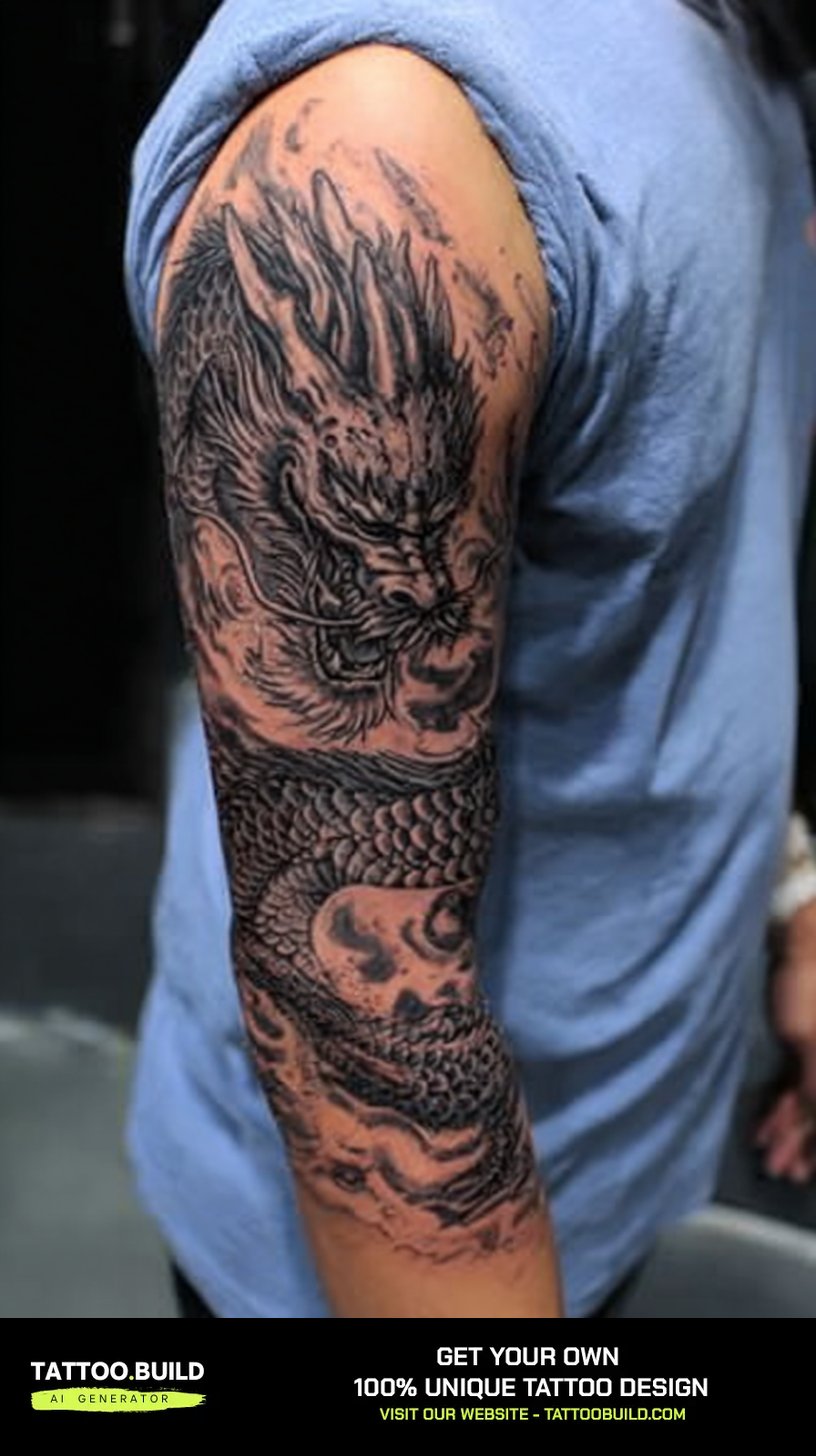
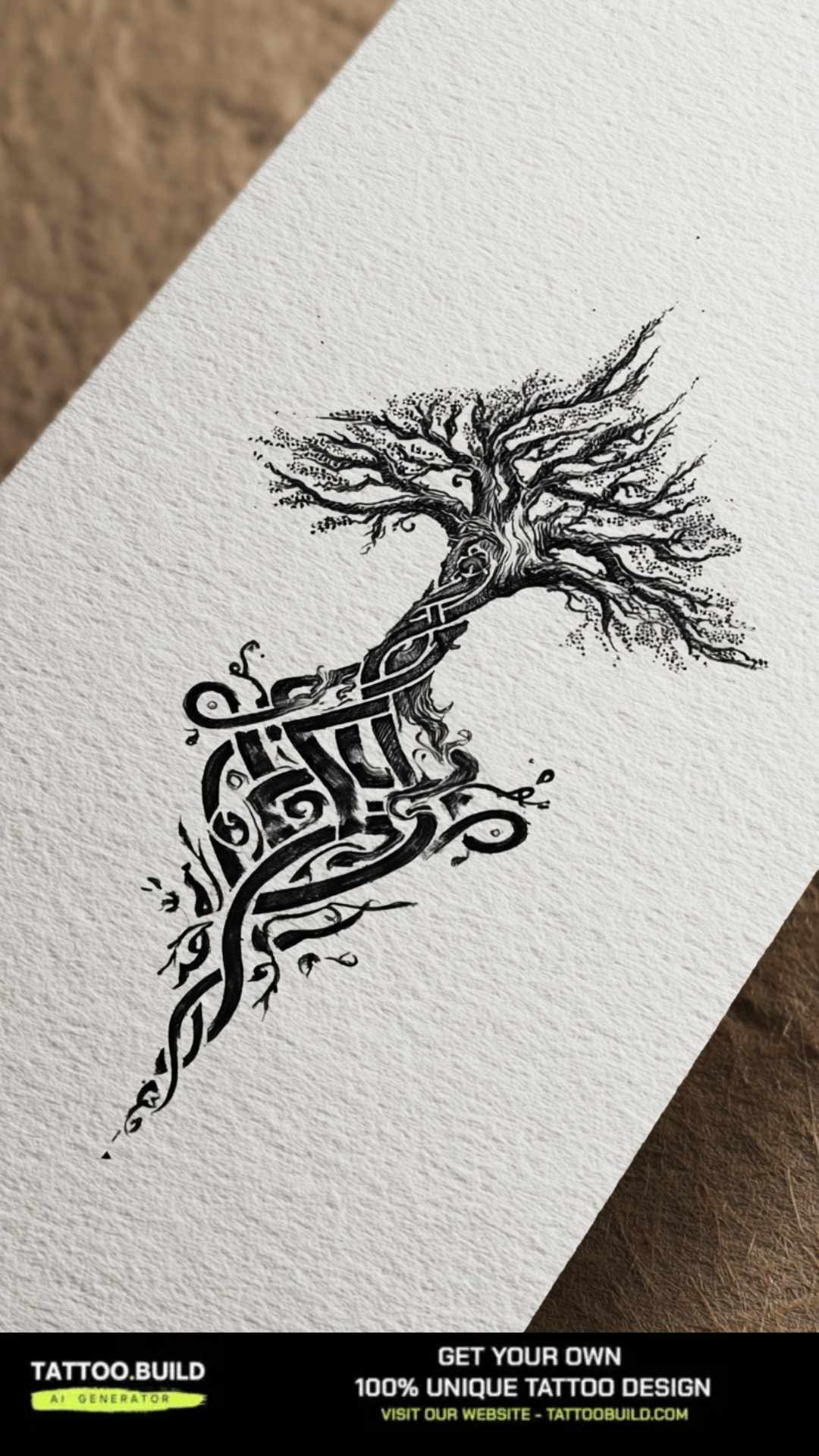
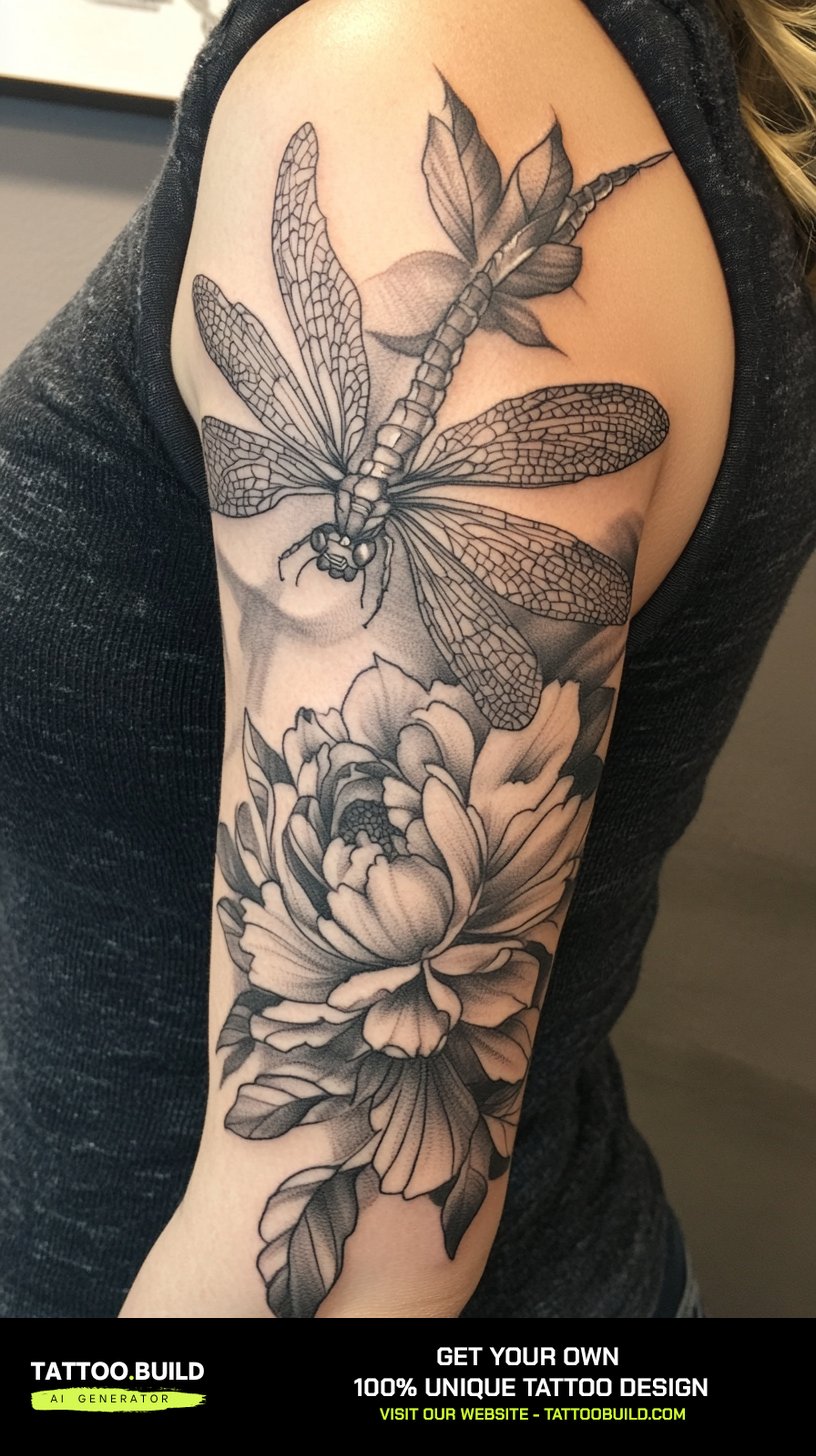
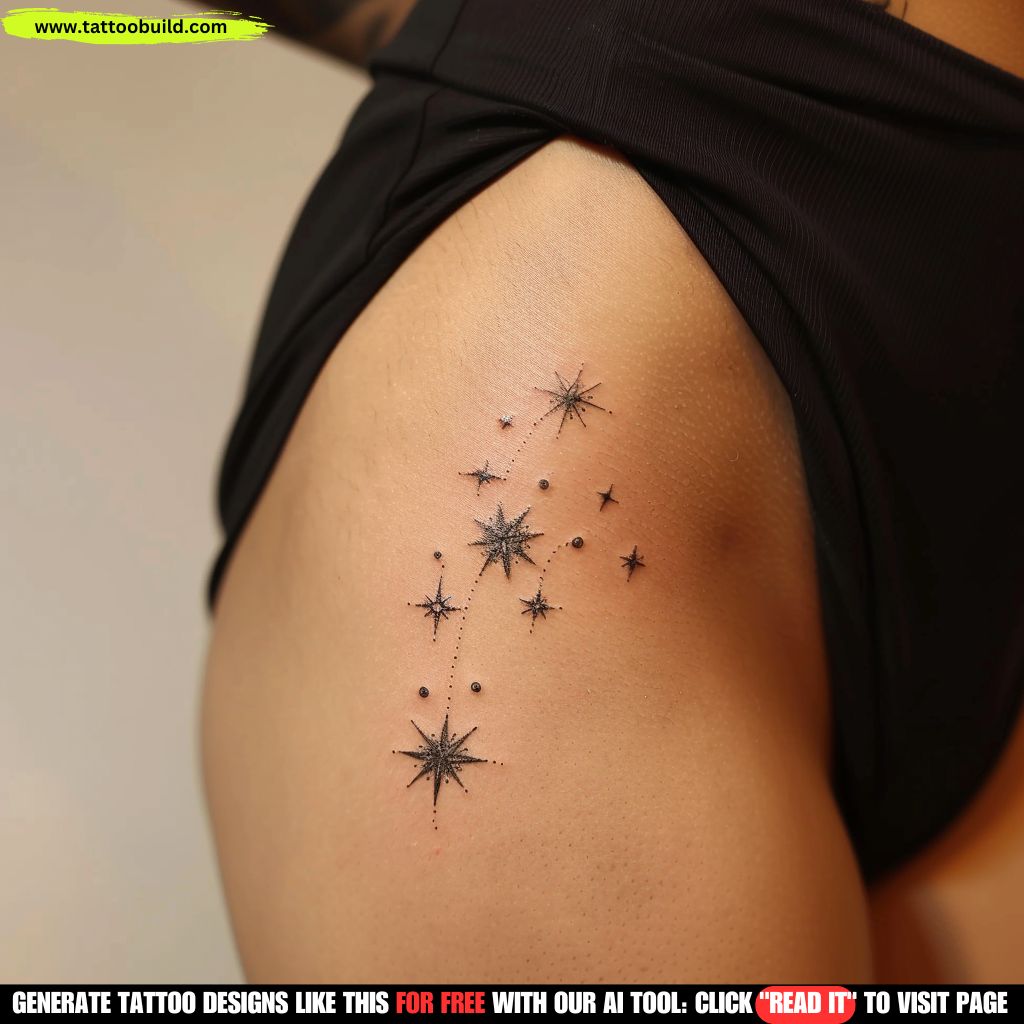
Every image below is a real piece of work — take screenshots, bring the ones that speak to you to your consultation, and let your artist adapt them to your body rather than copying line-for-line.
Which Dragonfly Tattoo Style Is Right for You?
A dragonfly can be rendered in almost any tattoo style, but the four below cover roughly ninety percent of the requests I see friends make. Use this as a starting point rather than a rulebook.
| Style | Best For | Ages Like | Typical Session |
|---|---|---|---|
| Fine-line black | Wrists, ankles, first tattoos | Softens gently, may need a touch-up around year 7 | 1–2 hours |
| Watercolor | Shoulder, upper arm, ribs | Fades faster than black — plan a touch-up every 4–6 years | 2–4 hours |
| Blackwork / dotwork | Forearm, thigh, back, sternum | Very stable, usually the longest-lasting choice | 3–5 hours |
| Neo-traditional colour | Upper arm, calf, chest panels | Holds well with occasional saturation top-ups | 3–6 hours |
What the Dragonfly Actually Symbolises
The dragonfly is one of the oldest insects on Earth — fossils date back roughly 300 million years — and almost every culture that shares space with it has read something into that survival.
In Japanese tradition it is kachimushi, the “victory insect,” associated with samurai and strength of purpose. In Native American Zuni stories it carries messages between worlds. In much of European folklore it’s tied to fairy realms and the water it hatches from.
Modern tattoo clients tend to pull on three threads: transformation (dragonflies go through a dramatic life-cycle change), lightness after loss, and adaptability. In my experience, memorial dragonflies are the most common request I hear about — someone lost a grandmother who loved them, and the tattoo becomes a way of carrying her presence.
None of these meanings are required. A dragonfly can also just be a beautiful insect you saw on a summer afternoon, and that is a perfectly good reason to wear one.
For a deeper reading list on nature-based tattoo meaning, our guide on what butterfly tattoos mean covers a lot of adjacent symbolism that overlaps with dragonfly work.
40 Dragonfly Tattoo Ideas by Style and Placement
The gallery below is grouped so you can jump straight to what you’re after. Every subsection ends with the images that best illustrate it — right-click, screenshot, or bookmark whatever pulls you in.
1. Fine-Line Dragonfly Tattoos
Fine-line work is the direction I recommend to friends walking into their first tattoo. A single needle group traces the body of the dragonfly and the veining in the wings, leaving lots of skin visible between the lines.
The effect is delicate without disappearing. Because the ink density is lower, these age with a kind of soft, hand-drawn quality — almost like a botanical illustration. I’ve had mine for over eight years and it still reads clearly, though I’ll admit the smallest veining has softened.
Ask your artist to use a 1RL or 3RL needle and to keep the wing shading suggestive rather than solid. For placement, the inner forearm, the outer wrist, and just above the ankle bone all suit the style.
2. Watercolor Dragonfly Tattoos
A watercolor dragonfly is usually rendered with the outline understated or removed entirely, then washed with pigment that mimics paint bleeding on wet paper. The wings become the canvas — blues, teals, purples, and dusty rose all work beautifully.
Every artist I have asked about longevity has said the same thing: watercolor is real, but it is not maintenance-free. Plan for a saturation top-up every four to six years, and choose an artist who has built up genuine watercolor experience rather than one who occasionally dabbles in it.
Placement matters here more than in any other style. The larger the piece, the more room the colour has to breathe. Upper arms, shoulders, and the outside of the calf give you the space these designs need.
3. Blackwork and Dotwork Dragonflies
If you want a piece that holds its shape decades from now, blackwork and dotwork are the safest bets. Solid black ink and dense stippling both settle very well into the dermis and resist the softening that colour work suffers.
A dotwork dragonfly can lean ornamental — think of the wings filled with radiating patterns, mandalas, or geometric webbing — or it can lean naturalistic, using tightly packed dots to build up a soft grey wash. Both are stunning, and both take genuine specialist skill.
Sessions tend to run longer than clients expect. My dotwork friend budgets three hours for a palm-sized dragonfly with detailed wings; anything larger crosses into two-session territory.
4. Realistic and 3D Dragonfly Tattoos
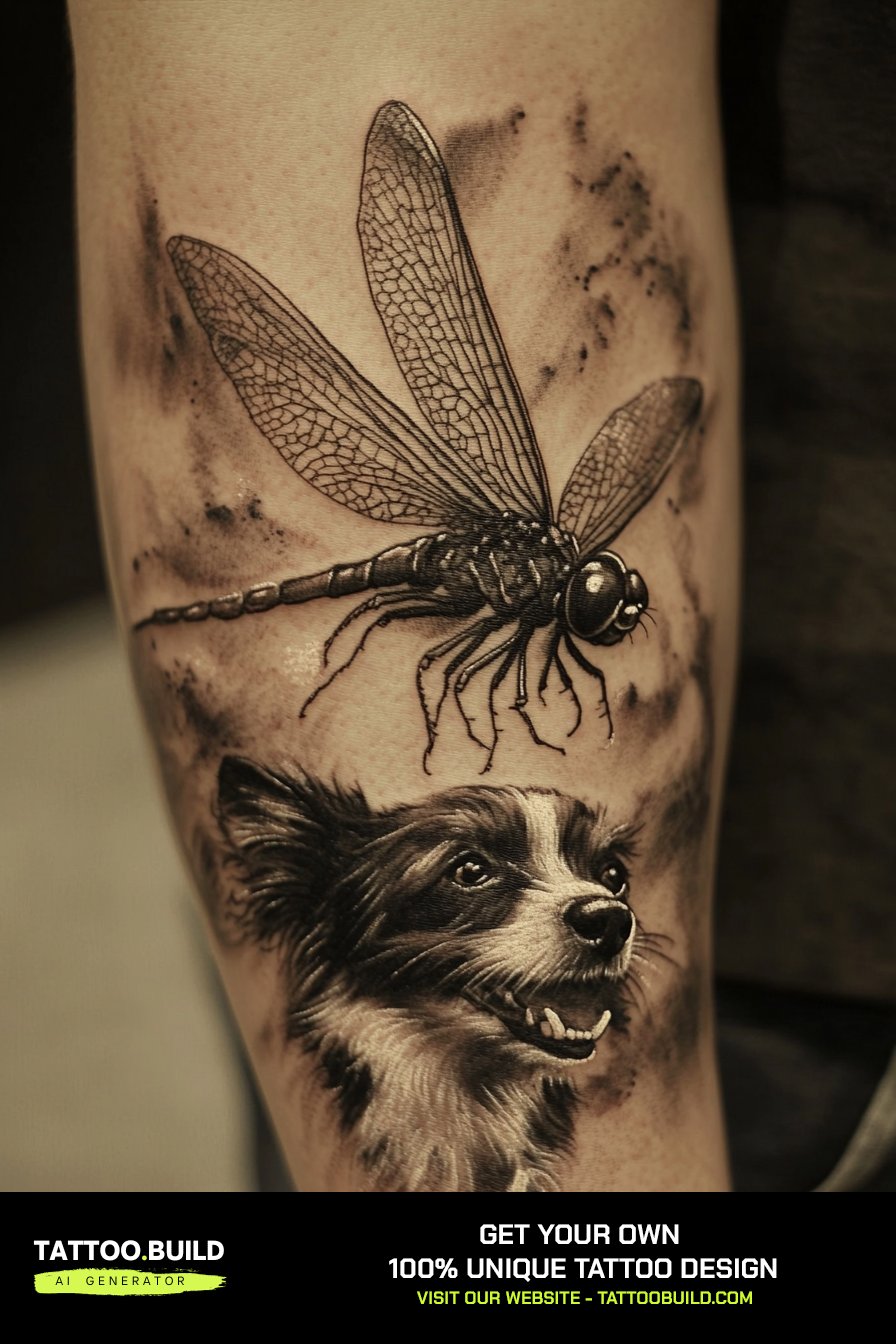
Realism turns a dragonfly tattoo into something closer to a photograph on skin. Every wing vein is rendered, every body segment shaded, and the whole piece is often placed so it looks like the insect has just landed there.
Micro-realism (postage-stamp-sized pieces done with 1RL needles) is having a moment right now, and dragonflies suit the technique because their proportions read clearly even at tiny scales. I’ve watched a realism specialist put a two-inch dragonfly on someone’s inner bicep and it looked ready to fly off.
For anything larger than a coin, ask about breaking the piece across two sessions. Realism thrives on the artist having fresh eyes and a rested hand.
5. Japanese-Style Dragonfly (Tombo) Tattoos
The tombo (dragonfly) is a small but recurring motif in traditional Japanese tattooing. Historically it was worn by warriors as a symbol of forward momentum — dragonflies fly forward, not backward — and today it pairs beautifully with cherry blossom, koi, and water elements.
A traditional Japanese dragonfly is usually rendered with bold black outlines, saturated colour, and the strong negative space that defines the style. It reads well as a standalone forearm piece or as an accent within a larger sleeve.
If you’re building a full Japanese sleeve, discuss placement early — the dragonfly usually sits near water, breeze, or flowers rather than floating alone in the composition.
6. Minimalist Dragonfly Tattoos
A minimalist dragonfly is stripped to its most recognisable outline: a slim body, four wing shapes, maybe two dots for eyes. The design leans on restraint, which sounds easy and is not — every millimetre of line thickness matters when there is nothing else on the skin.
This is the direction I recommend for anyone worried about “regretting” a tattoo. Small minimalist dragonflies are polite guests on the body — visible when you want them noticed, easy to conceal under a sleeve or sock when you don’t.
Pair with a matching tiny tattoo in a related motif — a moon, a wave, a single flower — if you like the idea of a subtle set.
7. Dragonfly and Floral Combinations
Adding flowers gives the dragonfly context — a stem to perch on, a garden to belong to. Lotus, lavender, wildflower sprigs, sunflowers, and roses all show up frequently in my saved references.
The composition rule I’ve picked up from artists is to let the dragonfly lead. Flowers should support and frame, not compete. If the flowers are more detailed than the insect, the eye ends up confused about where to land.
Floral pairings work particularly well on the ribs, the thigh, and the outer forearm, where you have room for a small vertical composition. Our roundups of lotus tattoo designs and poppy flower tattoos are worth a scroll for inspiration on the flower half of the equation.
8. Coloured Dragonfly Wings
If you love colour but aren’t sold on watercolor, saturated wing work is a great middle ground: black outline, black body, and jewel-tone wings that read as stained glass or dichroic film.
Purples and blues age best against most skin tones because they sit in the middle of the visible spectrum and don’t shift as dramatically as yellows and reds. That’s a rough guide, not a rule — your artist will know how specific pigments behave on your particular skin.
Coloured wings pop hardest on lighter areas of the body — inner forearms, upper thighs, the ribcage — because contrast with the surrounding skin is what makes the colour sing.
Placement Variations Worth Considering
The same dragonfly can feel completely different depending on where it lands. Below are the placements I’ve seen work most consistently, along with the trade-offs.
Wrist and Inner Forearm
Highly visible, easy to admire yourself, and the flat surface holds detail well. The downside is that the wrist bone can shift the design during healing if the piece extends over it — ask your artist to keep the body of the dragonfly on the flat inside instead. Pair well with other feminine wrist tattoos.
Ankle and Foot
A dragonfly on the ankle reads as playful and delicate. The trade-off is that foot tattoos generally age faster because of shoe friction and the thinner skin — expect a touch-up every 5–7 years.
Behind the Ear and Neck
A tiny dragonfly behind the ear is one of the most repinned placements online, and for good reason: it’s private, easily concealed, and reveals itself only when you want it to. Neck placements hurt more than most people expect, so budget willpower accordingly.
Spine and Back
A vertical dragonfly along the spine is one of my favourite big-canvas designs. It reads as elegant, almost architectural. Our full guide on feminine spine tattoos covers placement and pain in more depth.
Aftercare and Longevity Tips
Every artist has their preferred aftercare protocol, and you should follow theirs before mine. That said, here is what has kept my dragonfly reading crisp almost a decade in.
Keep the fresh tattoo covered with the second-skin bandage your artist applies for the full three to five days they suggest — I know it looks weird, but that closed environment is what protects the ink saturation. When you remove it, wash gently with fragrance-free soap and pat (never rub) dry.
Moisturise little and often for the first three weeks — a thin layer of a lotion like Aquaphor or a fragrance-free alternative twice a day is plenty. Slathering it on suffocates the healing skin and can pull ink out of the dermis.
Long-term, sunscreen is the single most important thing. UV breaks down tattoo pigment faster than anything else. SPF 30 or higher on the piece any time it’s exposed will add years to the design.
If you notice unusual heat, spreading redness, pus, or a fever after your appointment, contact your artist and a doctor rather than diagnosing yourself online — these can be signs of infection and are not something to sit on.
Still Not Sure? Common Mistakes to Avoid
The most common regret I hear from friends is picking a design too small for the level of detail they wanted. A dragonfly with realistic wing veining needs a minimum diameter for those lines to hold as they blur naturally over time — usually around four centimetres. Anything smaller and the veining will merge into a solid smudge within a decade.
The second most common regret is rushing the artist choice. Dragonflies with detailed wings are technically demanding — book a specialist in the style you want rather than the nearest studio. Instagram is a good starting point; look for artists whose healed work (not just fresh photos) still reads clearly.
If you’re leaning toward a fully coloured piece but nervous about longevity, consider a black-outline design with just the wings coloured. You get the visual impact of colour with the structural durability of black linework.
For more comparison shopping across insect and nature motifs, see our roundups on bee tattoos, moth tattoo meaning.
Frequently Asked Questions
What does a dragonfly tattoo mean?
Most people choose a dragonfly tattoo to represent transformation, adaptability, or the memory of someone they’ve lost. In Japanese culture it also symbolises victory and strength; in some Native American traditions it carries messages between worlds. It doesn’t need to have a fixed meaning for you — plenty of people wear one simply because they love how dragonflies look on a summer evening.
How much does a dragonfly tattoo cost?
A small fine-line dragonfly usually falls in the $150–$300 range at most reputable studios, while a detailed watercolor or realism piece can run $400–$1,200 depending on size and artist. Studios typically charge either a flat shop minimum or an hourly rate (commonly $150–$250 per hour in North America). Always ask for a full quote — not just the hourly rate — during your consultation.
Where does a dragonfly tattoo hurt the most?
Pain levels are personal, but the ribs, sternum, spine, feet, and inner bicep tend to rank as the most sensitive spots for most people. The outer forearm, upper arm, calf, and shoulder blade are usually the most comfortable choices. If it’s your first tattoo, starting with a lower-pain area is a reasonable idea.
Do watercolor dragonfly tattoos really fade faster?
Yes, in most cases. Because watercolor styles use lighter pigment concentrations and often skip the black outline that anchors traditional tattoos, they show fading and softening sooner. Plan for a saturation touch-up every four to six years to keep the piece looking fresh, and be diligent about sunscreen — UV is the main cause of pigment breakdown.
Are dragonfly tattoos masculine or feminine?
They work well for anyone. Historically the dragonfly was associated with warriors in Japan and with fairy folklore in Europe, so the motif spans both traditionally masculine and feminine associations. Placement, size, and style do more to signal a design’s overall feel than the dragonfly itself — a bold blackwork dragonfly on a chest reads very differently from a fine-line piece on a wrist.
Quick Summary
- Dragonflies are traditionally read as symbols of transformation, adaptability, and memory — but you’re free to give yours whatever meaning suits you.
- Fine-line work is the safest first-tattoo direction; blackwork and dotwork age most reliably long-term.
- Watercolor pieces are stunning but need a saturation touch-up roughly every four to six years.
- Book a specialist in your chosen style — dragonfly wings expose weak technique quickly.
- Keep detailed pieces above roughly four centimetres in diameter so the veining doesn’t blur over time.
- Follow your artist’s aftercare protocol to the letter, and use SPF 30+ on the healed tattoo for the rest of its life.
- Placement changes the mood: wrist and ankle read delicate, spine and back read architectural.
- If anything looks or feels infected after the appointment, contact your artist and a doctor rather than self-treating.
More Dragonfly Tattoo Inspiration
A final scroll of dragonfly work across styles and placements — bookmark whichever pulls you in and take it to your artist consultation.
Final Thoughts
A dragonfly tattoo is a small design with a big personality — one that welcomes almost any style, adapts to almost any placement, and gathers meaning over the years you wear it.
Take your time picking the artist, be honest with them about how visible you want the piece and how much aftercare you’ll realistically do, and trust their judgement on scale. And if you’re wobbling between designs, saving five to ten references from this page and letting your artist synthesise them is almost always a better route than copying one image exactly.
You can also cross-reference our roundup of watercolor tattoo ideas to widen the reference pool before your consultation.
For general information on tattoo aftercare and safety, the American Academy of Dermatology is a reliable non-commercial source, as is Mayo Clinic.