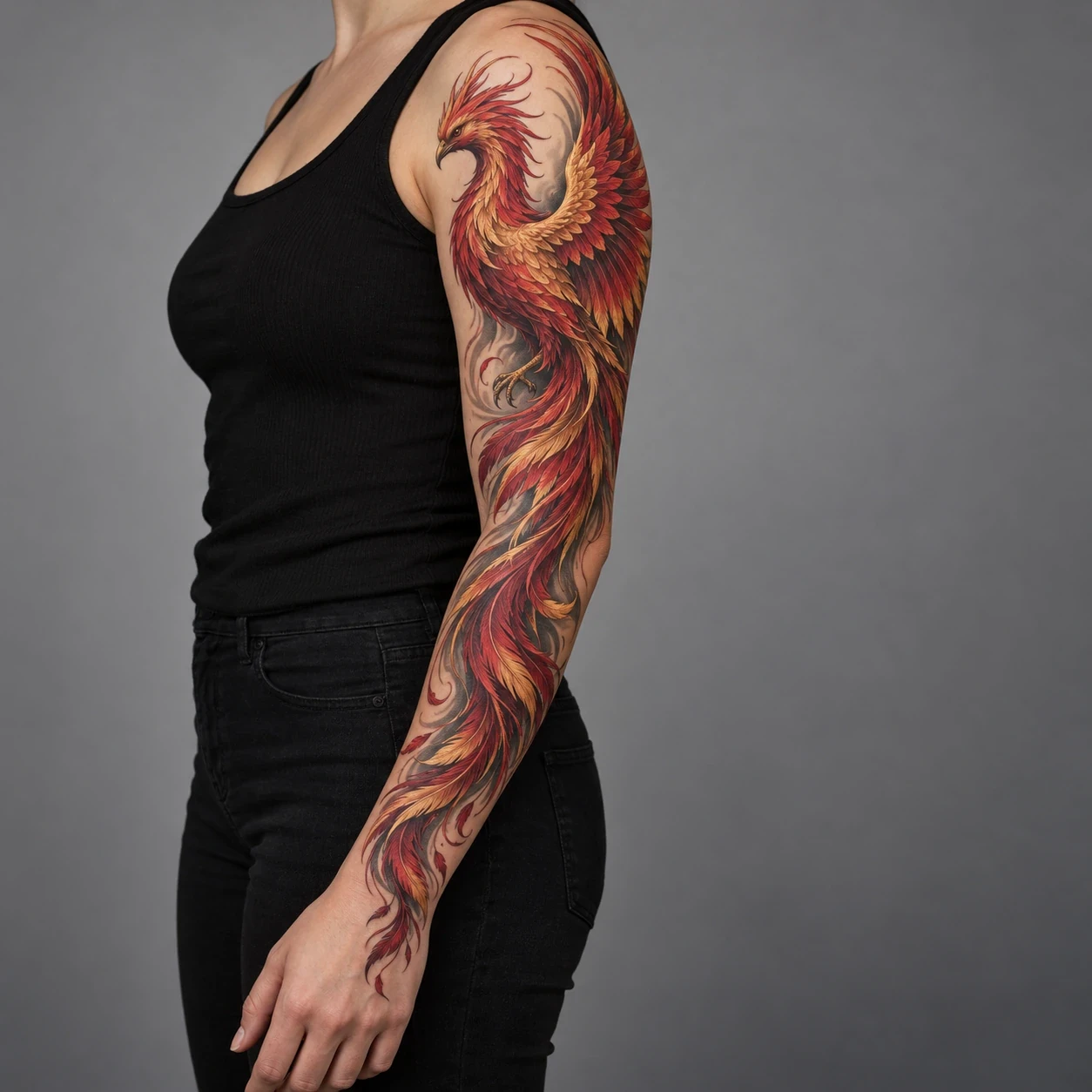
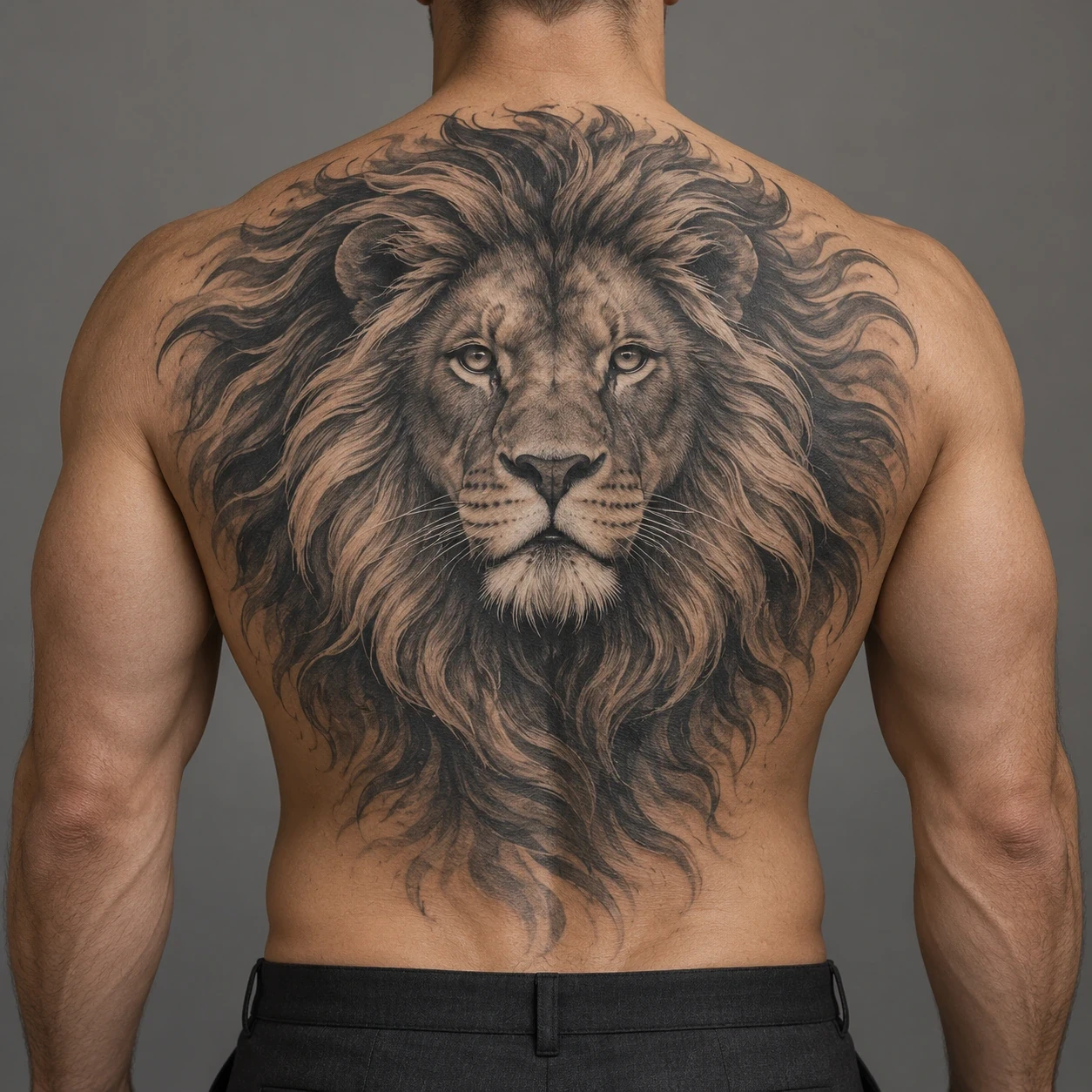
Are you looking for a brain tattoo design? A brain tattoo is one of the few subjects that works at almost any size — from a two-inch molecule on the wrist to a full anatomical realism piece on the forearm — but the style you pick matters far more than the subject itself.
I have been collecting and writing about brain tattoo designs for years, and the pattern is consistent: the ones people still love a decade later are the ones drawn with the artist’s own hand, not traced from an anatomy textbook.
Brain tattoos get chosen for a lot of reasons — intelligence, creativity, neuroscience careers, recovery, and mental health awareness chief among them. The meaning is genuinely personal here in a way it is not with, say, an anchor or a swallow.
Below I have laid out the styles that actually hold up on skin, the placements that suit them, honest notes on pain and healing, and the mistakes I see people make when they book this piece.
Which Brain Tattoo Style Is Right for You?
Every style on this list can be done well. They just ask for different things from you — different budgets, different sitting times, and different levels of upkeep.
| Style | Smallest size that works | Typical sitting | How it ages | Best for |
|---|---|---|---|---|
| Anatomical realism | Palm-sized | 4–8 hours, often two sessions | Softens gradually; needs no touch-ups if shaded well | Neuroscience, medicine, anatomy lovers |
| Fine line / minimalist | 2–3 inches | 1–2 hours | Lines thicken and can blur; touch-ups likely | First tattoos, discreet placements |
| Watercolor | 4 inches | 2–4 hours | Fades fastest; sun protection is essential | Colour lovers who accept upkeep |
| Blackwork / dotwork | 3 inches | 3–5 hours | Ages best of any style on this list | Bold, long-term pieces |
| Geometric / biomechanical | 4 inches | 3–6 hours | Holds shape well; straight lines show stretching | Gears, circuitry, sci-fi themes |
| Molecule / neurotransmitter | 1.5 inches | 30–90 minutes | Very well if line weight is not too thin | Subtle, science-literate designs |
If you only take one thing from that table: the thinner the line, the sooner you will be back in the chair. That is not a reason to avoid fine line work, only a reason to budget for it.
What a Brain Tattoo Actually Means
There is no fixed symbolism here, which I think is the appeal. Unlike a lot of traditional imagery, the brain does not arrive with two hundred years of assigned meaning attached.
The most common reason people give me is intellect — a love of learning, a degree finished, a field they work in. It reads as a quiet statement rather than a loud one.
The second is creativity. Pairing the brain with a light bulb, ink splashes, or growing flowers shifts the meaning from what you know toward what you make.
Mental health is the third, and it is the one people are most careful about. A brain outline can carry a story about depression, recovery, or a diagnosis without ever explaining itself to a stranger.
And then there is straightforward curiosity — people who find the organ itself beautiful. Every artist I have asked about this subject says the same thing: the anatomically accurate requests almost always come from people who work in medicine or research.
Brain Tattoo Ideas That Work on Skin
These are the seven directions I keep coming back to, roughly in order of how often I see them done well.
1. The Anatomical Brain Tattoo
This is the purest version: the cerebrum drawn as it actually looks, gyri and sulci included, usually in black and grey.
It is also the least forgiving. A brain has no clean symmetry to hide behind, so the folds have to be shaded with real depth or the whole thing flattens into a walnut.
When I tested how these read from a distance, the successful ones all had one thing in common — the artist committed to strong contrast between the deepest sulci and the raised surface, rather than shading everything evenly.
Give it space. Anywhere under a palm-sized area and the detail collapses within a few years as the ink spreads slightly under the skin, which is normal and happens to every tattoo.
2. Brain and Flowers
Blooms growing out of the cortex, or replacing part of it entirely. This is the most-requested variation I have come across, and it is genuinely versatile.
The meaning shifts with the flower. People pick birth flowers, a parent’s favourite, or something with a personal association rather than a generic rose.
Composition is the thing to watch. The strongest versions let the flowers break the outline of the brain in one or two places instead of sitting neatly inside it.
It suits fine line work particularly well, though in most cases you will want the brain itself carrying slightly heavier line weight than the petals so the eye knows where to land.
3. Brain and Gears
Cogs, clockwork, and circuitry set into the brain — the mechanical mind. It is a strong fit for engineers, machinists, and anyone drawn to steampunk imagery.
The mistake I see most often is gears drawn flat on top of the brain rather than seated into it. The teeth need to follow the curve of the folds and disappear behind them.
Half-finished is usually better than fully mechanical. Two or three crisp gears with the rest fading into shading tends to hold up better than a brain replaced entirely by machinery.
If the mechanical side appeals more than the organic side, look at geometric tattoo designs for structural ideas you can borrow.
4. Brain and Heart
The head-versus-heart piece: logic and emotion in the same composition, sometimes connected, sometimes deliberately not.
Some people have them tattooed as a matched pair on opposite forearms, which I think is the cleverer execution — the separation is the point.
Drawn as one image, the two organs need a shared line weight and shading style or the design reads as two stickers placed side by side.
Keep the anatomy honest on both. A stylised cartoon heart next to a realistic brain is the single most common way this idea goes wrong.
5. Watercolor Brain Tattoos
Colour washes bleeding out past the linework, imitating paint on wet paper. It is the most visually striking option here and the most demanding to maintain.
The version that lasts keeps a solid black outline underneath. Pure watercolor with no anchoring line looks incredible for two years and vague after eight.
Cool tones — blues, purples, teals — hold better than yellows, oranges, and pale pinks, which is worth knowing before you choose a palette.
Read up on watercolor tattoo ideas before booking, and go to an artist whose healed watercolor photos you have actually seen. Fresh photos tell you almost nothing about this style.
6. Brain and Light Bulb
The idea made literal: a cerebrum drawn inside a glass bulb, or a filament shaped like brain folds.
It is a familiar image, which cuts both ways. Everybody understands it instantly, and everybody has seen it before, so the drawing has to carry the piece.
The versions I like best treat the glass as barely there — a few reflection lines and nothing more — so the brain stays the subject.
This one scales down better than most. A two-inch bulb on the inner forearm still reads clearly, provided the outlines are not hairline thin.
7. Neurotransmitter and Molecule Tattoos
Serotonin, dopamine, oxytocin, GABA — the chemical structure drawn as a chain of bonds. A brain tattoo with no brain in it.
This is the most under-rated option on the list. It is small, it is cheap, it heals fast, and it carries a specific meaning to anyone who recognises the structure.
Accuracy matters here more than anywhere else. Get the reference structure from a chemistry source and check it with the artist before the stencil goes on, because a wrong bond angle is permanent and obvious to the people most likely to notice.
Give the lines a little weight. Molecule tattoos drawn hairline-thin are the ones I most often see blurred into a smudge after five or six years.
Variations Worth Considering
If none of the seven above is quite it, these adjacent directions come up often enough to be worth naming.
Half Brain, Half Something Else
Split down the midline: one side anatomical, the other side galaxy, circuitry, flowers, or negative space. It photographs beautifully and it needs a wide placement to work.
The Brain as Landscape
Mountains, trees, or a shoreline drawn into the folds so the organ reads as terrain. Harder to draw than it sounds, and stunning when the artist pulls it off.
Blackwork and Dotwork Brains
Heavy solid black with stippled shading. It ages better than anything else here — see blackwork tattoo designs for what the style can do at scale.
Minimalist Single-Line Brains
One continuous line tracing the shape. Fast, cheap, discreet — and the version most likely to need a touch-up inside five years.
Brain with a Semicolon or Ribbon
A quiet mental health marker folded into the design. Small, personal, and easy to keep private if you want it that way.
Placement, Pain and Aftercare
The forearm is where most brain tattoos end up, and for good reason: it is flat enough for detail, easy to show or cover, and among the more tolerable spots to sit through. Forearm tattoo ideas are worth browsing for composition alone.
The upper arm and shoulder suit larger anatomical pieces. Ribs, sternum, and spine hurt considerably more — check a tattoo pain chart before you commit to a long session in one of those areas.
Aftercare is where most of the damage gets done, not in the chair. Keep it clean, keep it lightly moisturised, do not pick the flaking skin, and keep it out of direct sun and out of pools, lakes and baths until it has fully closed over — usually two to three weeks on the surface, longer underneath.
Sun is the single biggest cause of fading, especially on colour work. Once healed, sunscreen on the piece whenever it is exposed will do more for its lifespan than any product marketed specifically at tattoos. The American Academy of Dermatology has practical guidance on caring for tattooed skin.
If you see spreading redness, swelling that worsens after the first few days, pus, or a fever, that is not normal healing — contact your artist and see a doctor. Allergic reactions to specific pigments, red in particular, are uncommon but real, and the FDA’s tattoo fact sheet covers what is known about inks and reactions. Nothing in this article is medical advice.
Common Mistakes — and What to Do If You’re Still Not Sure
The first mistake is going too small. A brain has a lot of internal detail, and shrinking it to fit a wrist is how you end up with a grey blob in six years.
The second is bringing a reference image and asking for a copy of it. Bring three or four references for mood, then let the artist draw it — that is what you are actually paying for.
The third is picking the wrong artist for the style. A brilliant traditional artist is not automatically a good fine-line artist, and vice versa. How to find a tattoo artist walks through vetting a portfolio properly.
The fourth is rushing. Sit with the idea for a month. The designs people regret are almost never the ones they thought about for too long.
Still undecided on style? Compare minimalist tattoo ideas against something bolder before you book anything — it is easier to choose the subject than the style, and the style is what you live with.
Frequently Asked Questions
How much does a brain tattoo cost?
It depends entirely on size, style and your artist’s rate, so any specific number I gave you would be wrong somewhere. A small molecule or minimalist outline usually falls at or near a studio’s minimum charge, while a detailed anatomical piece is priced by the hour and often spans multiple sessions. Ask for a quote in writing before the appointment. Most reputable studios will give you a range once they have seen the reference and the placement.
Do brain tattoos hurt more than other tattoos?
The subject has nothing to do with the pain — placement does. A brain tattoo on the outer forearm or upper arm is among the more manageable experiences, while the same design on the ribs, sternum or spine will be significantly harder to sit through. Larger anatomical pieces hurt mostly because of duration rather than intensity. Eat beforehand and tell your artist when you need a break.
What is the best size for a brain tattoo?
For anatomical realism, aim for at least palm-sized; below that the shading in the folds tends to merge as the piece ages. Fine-line and minimalist versions work down to about two or three inches. Molecule and neurotransmitter designs can go smaller still, around an inch and a half, as long as the lines are not hairline thin. When in doubt, go slightly larger than feels necessary.
Will a watercolor brain tattoo fade quickly?
It will fade faster than blackwork, yes, though not as fast as the internet suggests. A watercolor piece with a solid black outline underneath and consistent sun protection can look good for many years. Ones done without any anchoring linework, and left exposed to sun, are the ones that go vague. Ask to see your artist’s healed photos, not fresh ones.
Can a brain tattoo represent mental health without being obvious?
Very much so, and that is one of the main reasons people choose it. A simple brain outline, a neurotransmitter molecule, or a small ribbon folded into the design carries the meaning for you without explaining it to anyone who asks. Plenty of people I have spoken to chose it precisely because it does not read as a mental health tattoo at a glance. The meaning stays yours to share or not.
Quick Summary
- Style matters more than subject — blackwork and dotwork brains age best, watercolor ages fastest.
- Anatomical realism needs a palm-sized area or larger; anything smaller loses its shading within a few years.
- Brain and flowers is the most versatile variation; let the blooms break the outline rather than sit inside it.
- For gears and circuitry, seat the cogs into the folds instead of drawing them flat on top.
- Neurotransmitter molecules are the most under-rated option: small, fast, affordable, and specific in meaning.
- Watercolor lasts far longer with a solid black outline underneath and year-round sun protection.
- Forearm and upper arm are the friendliest placements; ribs and sternum are considerably more painful.
- Bring references for mood, not to copy — and pick an artist whose healed work in your chosen style you have seen.