Chicano tattoo drawings are built almost entirely from black and grey shading, single-needle line work, and symbols that carry a specific cultural history — which is exactly why a design that looks simple on paper can be so hard to get right on skin.
I have spent a lot of hours going through flash sheets in this style, and the pattern is always the same. The pieces that survive on the body are the ones where the artist committed to soft grey transitions instead of hard black outlines.
This guide walks through the drawings on this page one theme at a time — Catrina portraits, gambling imagery, religious icons, lowriders, and lettering — and explains what each one actually asks of the artist tattooing it. If you like the skull-heavy end of the style, the skull tattoo drawings collection covers a lot of the same shading territory.
I am not going to pretend every design here works for every body or every budget. Some of these are one-session pieces. Some are three.
Which Chicano Tattoo Style Is Right for You?
The style splits into a handful of recognisable families. This is roughly how I would sort them if someone handed me a stack of Chicano flash and asked where to start.
| Design family | What it asks of the artist | Typical size | Best for |
|---|---|---|---|
| Catrina / skull portraits | Smooth grey wash, accurate facial structure | Forearm to half sleeve | Memorial and remembrance pieces |
| Gambling imagery | Crisp geometry on cards and dice | Palm-sized to forearm | A first piece in the style |
| Religious icons | Patience — halos and clouds are slow | Chest, back, full forearm | Faith and family themes |
| Lowriders and barrio scenes | Perspective drawing, reflective chrome | Half sleeve and up | Narrative, storytelling panels |
| Script and lettering | Steady hand, correct spacing | Any | Names, dates, single words |
| Roses and filler florals | Contrast control so petals stay separate | Fills gaps in any layout | Softening a heavy composition |
What Actually Makes a Chicano Drawing Read as Chicano
The style grew out of the Chicano civil rights and art movements of the 1960s and 70s in the American Southwest, and it carried imagery from muralism, prison art, and Catholic iconography with it. You can read a general overview of that period at the Chicano art movement entry on Wikipedia.
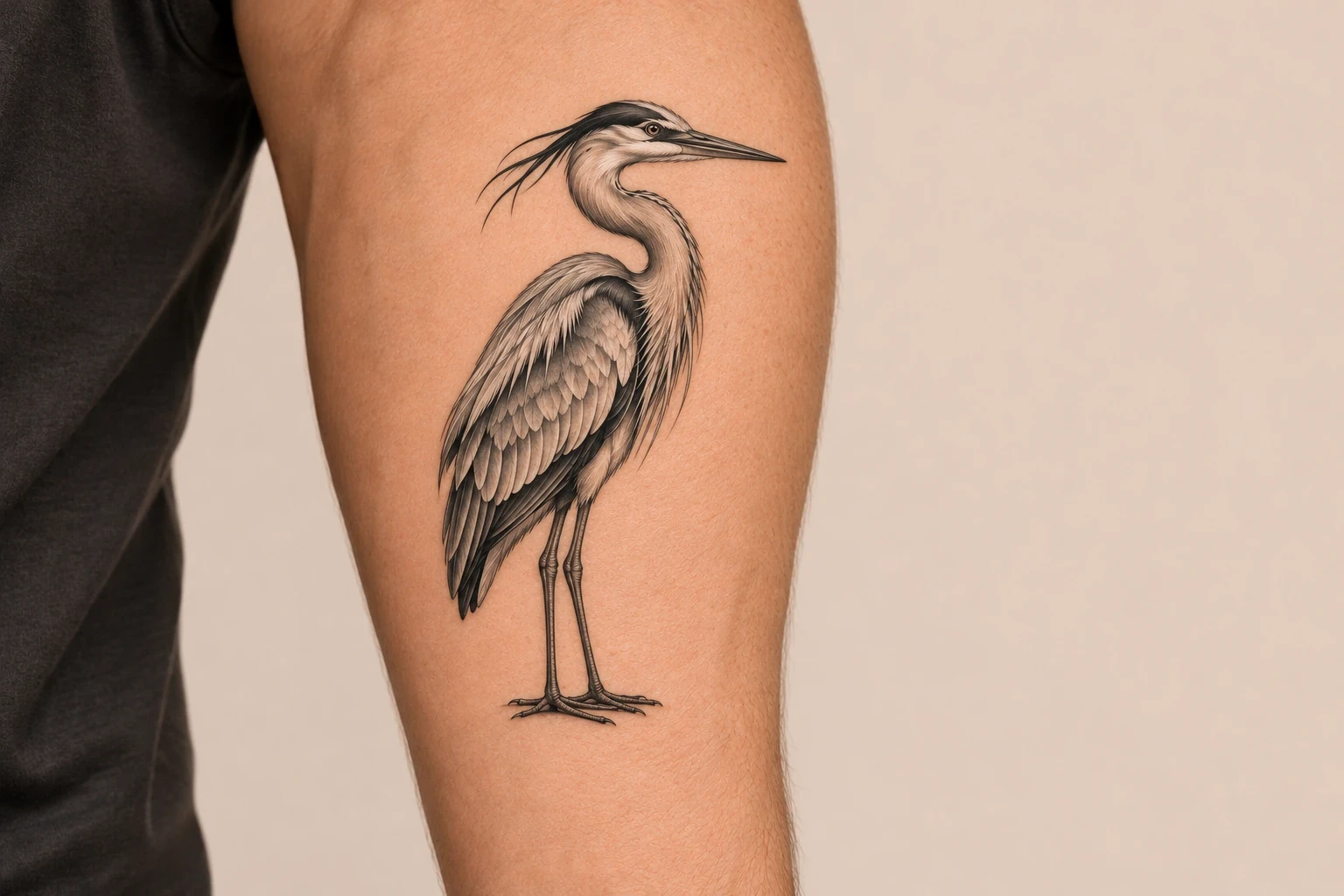
The technical signature is black and grey with no outline doing the heavy lifting. Form is described by shading gradients rather than by a bold containing line, which is the opposite of American traditional.
That is also why the style pairs so naturally with soft feminine subject matter — the same wash technique shows up across black and grey tattoo ideas for women generally.
The second signature is the smoke. Drifting grey smoke, clouds, and soft vignettes are used to blend a composition into bare skin instead of stopping at a hard border.
The third is lettering. Fine, ornate script is not decoration in this style — it is usually the point of the piece, and the imagery is built around the word.
Chicano Tattoo Drawings Worth Studying
Every drawing below came from the same flash collection. I have grouped them by theme rather than numbering them, because that is how you would actually brief an artist.
Catrina and Skull-Face Portraits
The woman-as-skull portrait is the most recognisable image in the whole style, drawn from La Catrina and the Day of the Dead tradition rather than invented for tattooing.
What separates a good one from a bad one is the jaw. The painted skull has to sit on a face with correct underlying bone structure, or the design collapses into a mask.
In my experience these are the pieces clients most often bring in as memorials, and the ones they most often want larger than they first planned. A four-inch Catrina loses the detail in the eye socket within a few years.
The flowers around the face are not filler either. They control where the eye lands, and if the meaning behind that pairing interests you, the flower and skull tattoo meaning guide goes deeper into it.
Gambling, Fate and the Aces Motif
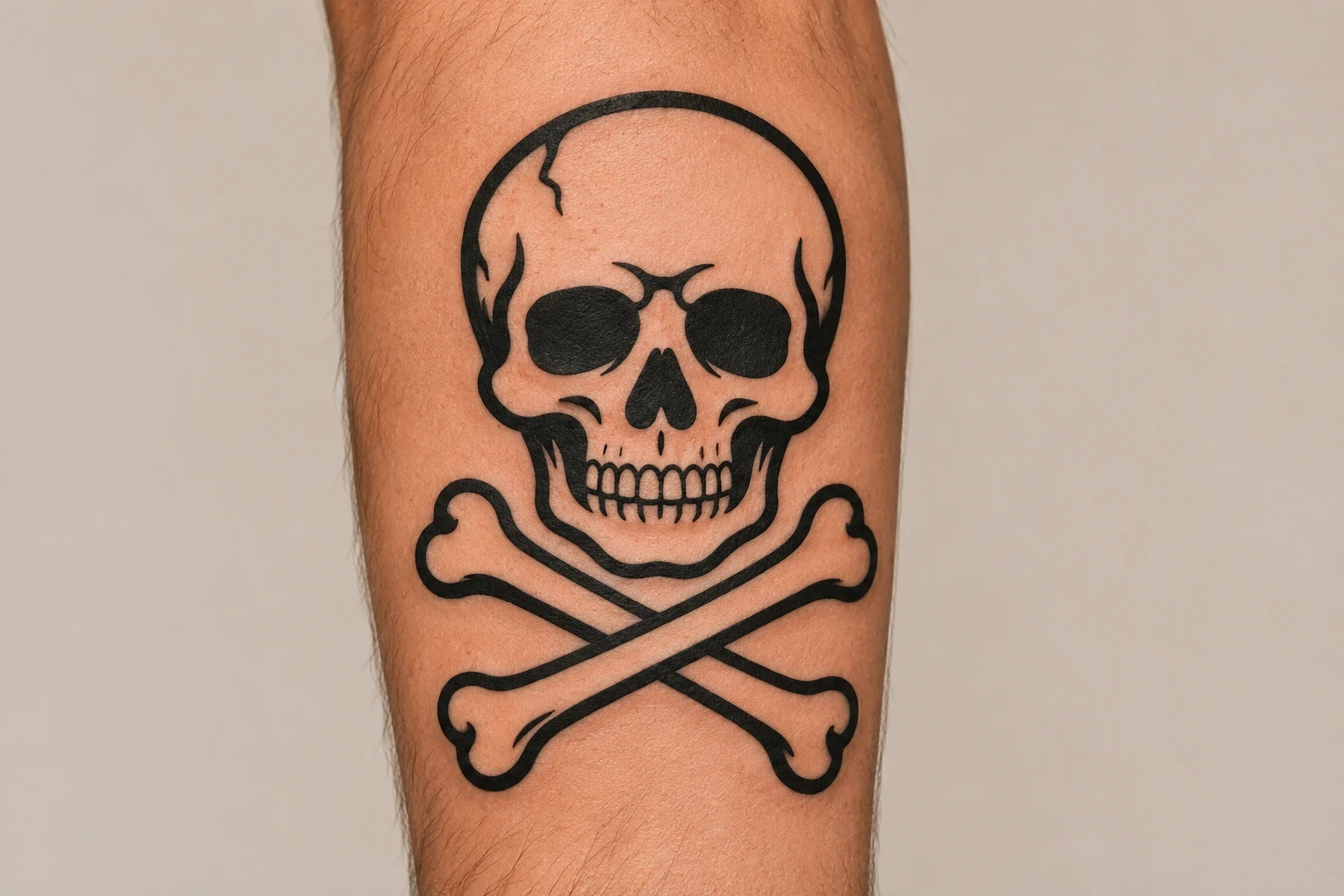
Skeletons holding aces, flaming dice, loose playing cards — this cluster is about chance, and it has been in the style since its prison-art period.
I recommend these as a first Chicano piece more often than anything else. The subject matter is forgiving, the shapes are geometric, and a mistake in a card edge is far less obvious than a mistake in a human eye.
The catch is the geometry. Dice and cards have straight edges and vanishing points, and every artist I have asked says a wobbly die reads as amateur work faster than almost anything else.
Keep the black in the pips genuinely black. Grey pips on a die look muddy after healing.
Faith, Familia and Religious Iconography
The Virgin of Guadalupe, praying hands, rosaries and crosses form the devotional core of the style, and they are the pieces people are most careful about.
These take longer than clients expect. A radiating halo is dozens of individually shaded rays, and the clouds behind a cross are all soft gradient work with nowhere to hide.
When I have watched artists work on Guadalupe pieces, the mantle is where the session time goes. The face is often quicker than the drapery around it.
If you want the crucifix without the portrait, the cross tattoo drawings collection has simpler layouts that still sit comfortably alongside Chicano work.
Lowriders, Clowns and Barrio Scenes
Cars and clown figures are the narrative end of the style — less symbol, more scene.
They are also the most technically demanding drawings on this page. A lowrider needs correct perspective, and chrome is rendered by leaving skin bare rather than by adding ink.
In most cases I would not put one of these on a forearm. They want a half sleeve or a back panel where the composition has room to breathe.
The smiling-and-crying clown carries a specific cultural weight in Chicano art, tied to the “smile now, cry later” idea. It is worth asking an artist from that tradition about it rather than treating it as generic flash.
Roses, Thorns and Floral Filler
Roses do two jobs here: they soften a heavy composition and they fill awkward negative space between elements.
The technical problem is contrast. Petals overlap, and if the shading between them is too similar the whole flower reads as a grey blob from two metres away.
I have seen more Chicano pieces let down by lazy rose shading than by anything else. It is the element artists rush because it feels like background.
For reference on how far you can push the greys, the black and gray rose tattoo drawings page has cleaner isolated examples.
Portraits, Headdresses and Ornamental Figures
The straight portrait — no skull, no split face — is the purest test of the style.
There is nothing to hide behind. Every flaw in the shading sits directly on a face the viewer already knows how to read.
Ask to see healed photographs, not fresh ones, before committing to a portrait. Fresh black and grey always looks sharper than it will at the twelve-month mark.
Ornamental additions like a tiger headdress or a snake give the artist more forgiving territory around the face, which is one reason they show up so often.
Variations Worth Considering
If none of the above fits, the style bends further than most people assume.
Fine Line Chicano
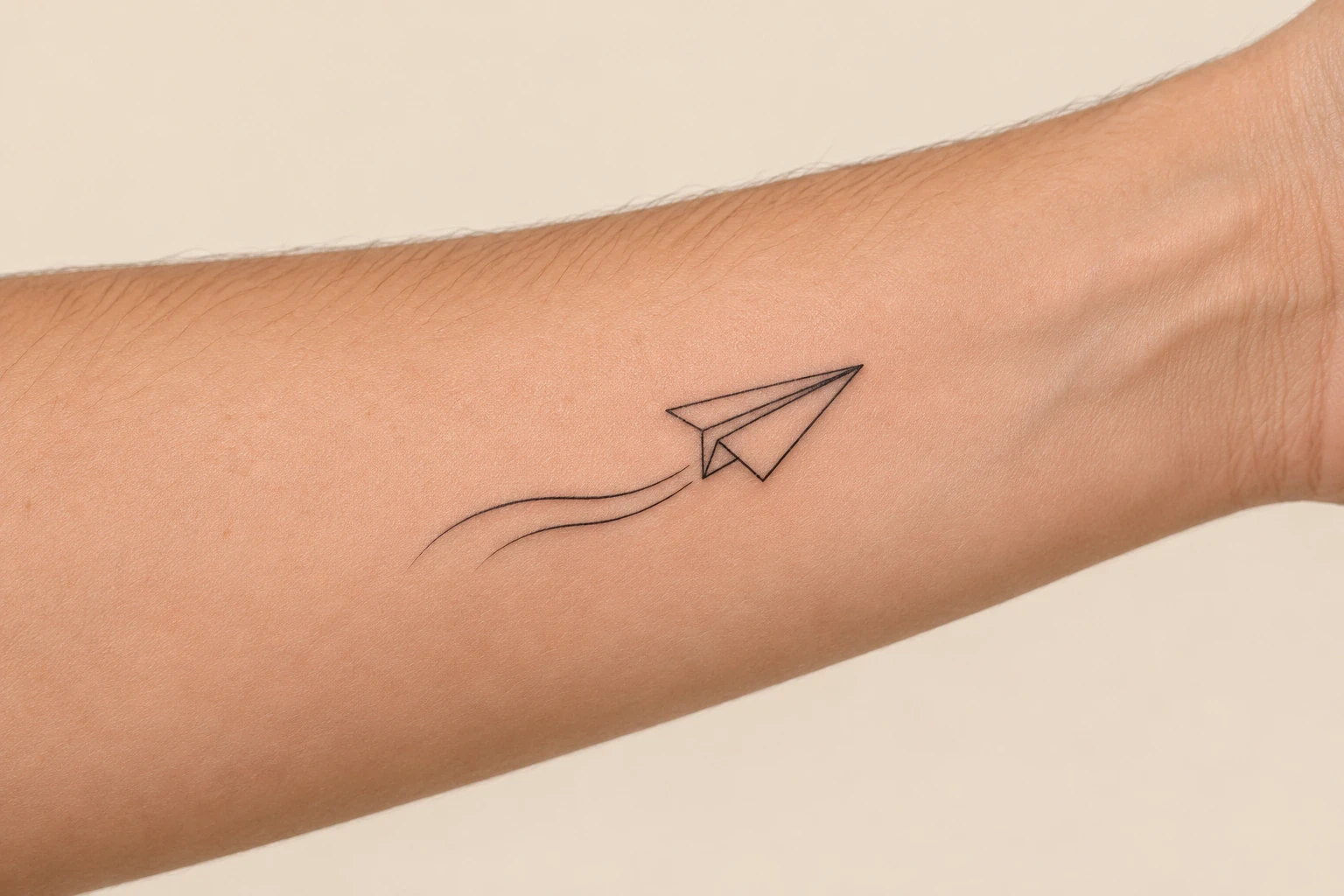
A lighter, single-needle interpretation with far less solid black. It is elegant, but it fades sooner and needs touching up more often than a fully shaded piece.
The fine line tattoo ideas collection shows how far the thin-needle approach can be pushed.
Lettering-Only Pieces
Dropping the imagery entirely and tattooing only the script is a legitimate, traditional choice — and often the most personal one.
Spelling and spacing are unforgiving here, so proof the stencil twice. Name-based layouts are covered in the name tattoo ideas guide.
Colour Accents
Purists keep Chicano work strictly black and grey. A single spot of red in a rose or a candle flame is a modern compromise that some artists will do and others will decline.
Neither position is wrong. Ask before you book rather than at the stencil stage.
Practical Advice Before You Book
Choose the artist by their healed black and grey work, not by their line work. Shading is the whole style, and it is the skill that varies most between artists.
Bring a printed reference and be honest about which part of it matters to you. In my experience artists would much rather redraw a composition than guess which element you were attached to.
Give the piece room. A design that needs sixteen distinct grey values does not fit in a three-inch square, and shrinking it is the most common way people ruin a good drawing.
For healing, follow the aftercare instructions your artist gives you, and treat general guidance such as the American Academy of Dermatology guidance on caring for tattooed skin as a baseline rather than a replacement. If you develop spreading redness, swelling, fever, or a rash weeks after healing, see a doctor — those are not normal healing signs.
It is also worth knowing that tattoo inks are not pre-approved for injection in the United States; the FDA publishes consumer guidance on tattoo safety that is worth ten minutes of your time before a large piece. Never attempt to tattoo or remove a tattoo yourself.
Common Mistakes — and What to Do Instead
Going too small is the first. Chicano detail has a minimum viable size, and it is larger than most people want it to be.
Treating cultural imagery as decoration is the second. Some of these symbols carry specific meaning within Chicano communities, and it is worth understanding what you are wearing.
Booking a portrait with an artist who mostly does bold traditional is the third. Both are respectable specialisms; they are not interchangeable.
Still weighing it up? Look at how these compositions scale across a larger canvas in the sleeve tattoo drawings collection, or narrow down a single motif with the skull and rose tattoo drawings page before you commit.
Frequently Asked Questions
Are Chicano tattoos always black and grey?
Almost always, yes. The style was built around black and grey wash and that remains the default among artists who specialise in it. Some modern artists will add a single colour accent, such as red in a rose or a candle flame, but many purists decline. Ask before booking rather than at the stencil stage.
How long does a Chicano piece take to tattoo?
It depends entirely on size and how much smooth shading is involved. A palm-sized dice or card design is often a single short session, while a Catrina portrait or a lowrider scene is usually multiple sittings. Shading time is what drives the number up, not line work. Your artist can give a realistic estimate once they have seen the reference and the placement.
Do I need to be of Chicano heritage to get one?
There is no rule stopping anyone, but the imagery carries real cultural and historical weight and opinions within the community vary. The respectful approach is to learn what the specific symbols mean before choosing them, and ideally to work with an artist who comes from that tradition. Treating the style as generic flash is what people object to, more than the tattoo itself.
Will fine grey shading fade faster than bold lines?
Generally yes. Light grey wash sits with less pigment in the skin than solid black, so it softens sooner, and sun exposure accelerates that considerably. Daily sunscreen on the healed tattoo is the single most effective thing you can do. Expect that a heavily shaded piece may want a touch-up at some point.
What is the best placement for a first Chicano tattoo?
The forearm is the usual recommendation. It is flat enough for detail to hold, easy for the artist to work on, and it heals predictably. Upper arm and outer thigh are also good. Avoid high-friction, high-stretch spots such as hands and feet for a first detailed piece in this style.
Quick Summary
- Chicano tattoo drawings are defined by black and grey shading, not by bold outlines.
- Catrina and skull-face portraits are the signature image, and they need real size to hold detail.
- Gambling imagery — aces, dice, cards — is the most forgiving entry point into the style.
- Religious pieces such as Guadalupe and praying hands take far longer than clients expect.
- Lowrider and barrio scenes need a half sleeve or larger to work properly.
- Fine script lettering is often the point of the piece, not the decoration around it.
- Pick your artist on their healed black and grey work, and ask to see twelve-month photos.
- Sunscreen on healed grey wash is the cheapest way to keep the piece looking sharp.