A flying fish tattoo is about escape — the moment something trapped in one element breaks into another and keeps going. That is the meaning nearly every client I have talked to lands on, whatever wording they use to get there.
I have watched this design go from a rare request to something artists now keep flash for. It sits in an unusual spot: recognisable enough to read instantly, uncommon enough that you are unlikely to meet your own tattoo on someone else’s arm.
The appeal is partly biological. Flying fish do not actually fly — they build speed underwater and glide, and that distinction is what gives the tattoo its edge over other ocean tattoo ideas. It is a symbol of effort first, freedom second.
Below I have gathered what the design actually means, which placements hold up over time, how the main styles differ, and the mistakes I keep seeing on healed work.
Which Flying Fish Tattoo Style Is Right for You?
Style matters more than subject with this design. The same fish reads completely differently depending on how it is drawn.
| Style | Best For | Typical Size | How It Ages |
|---|---|---|---|
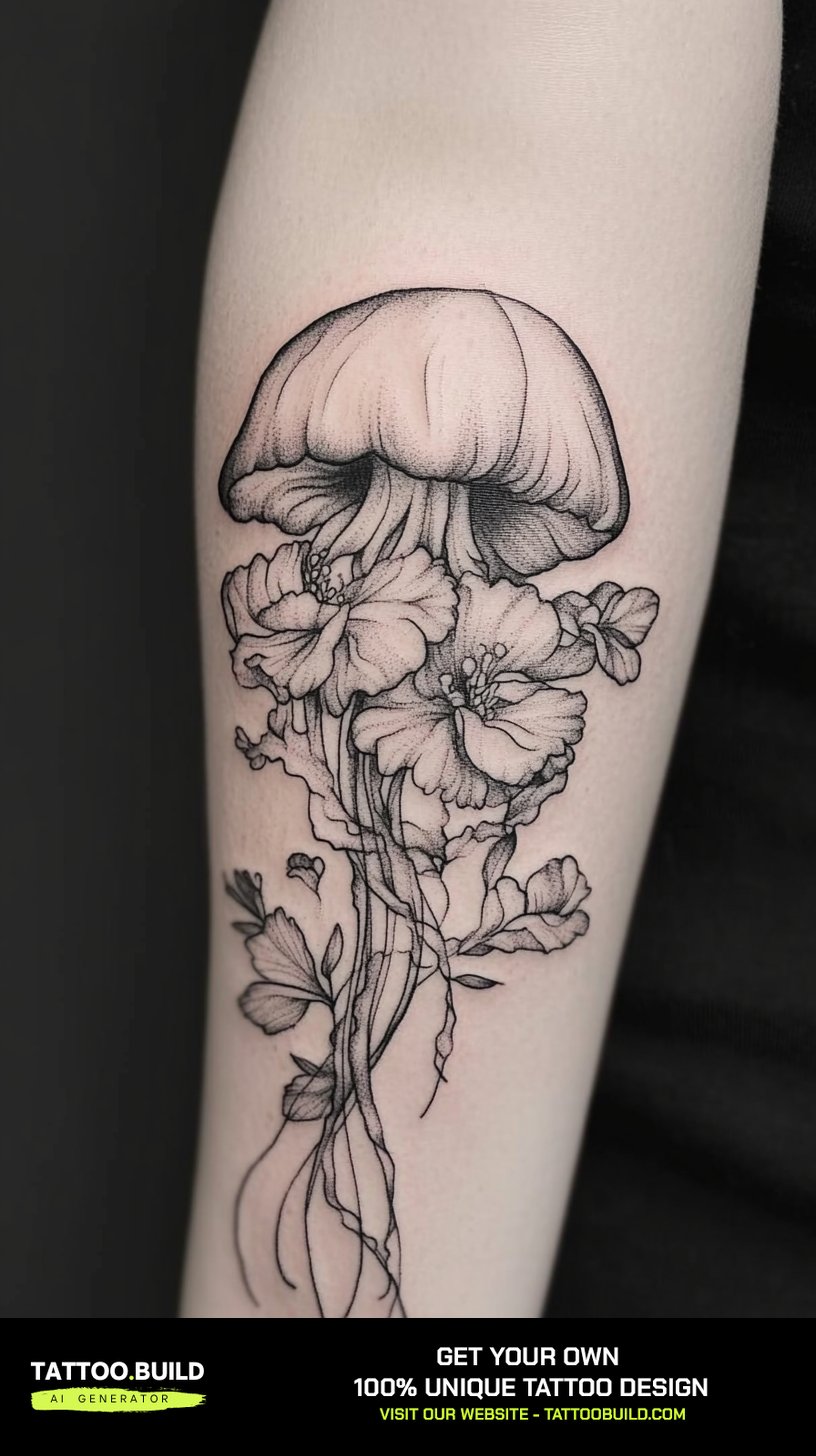
| Fine line / illustrative | Quiet, personal pieces | 3–6 inches | Softens noticeably after 5–10 years; thin lines spread |
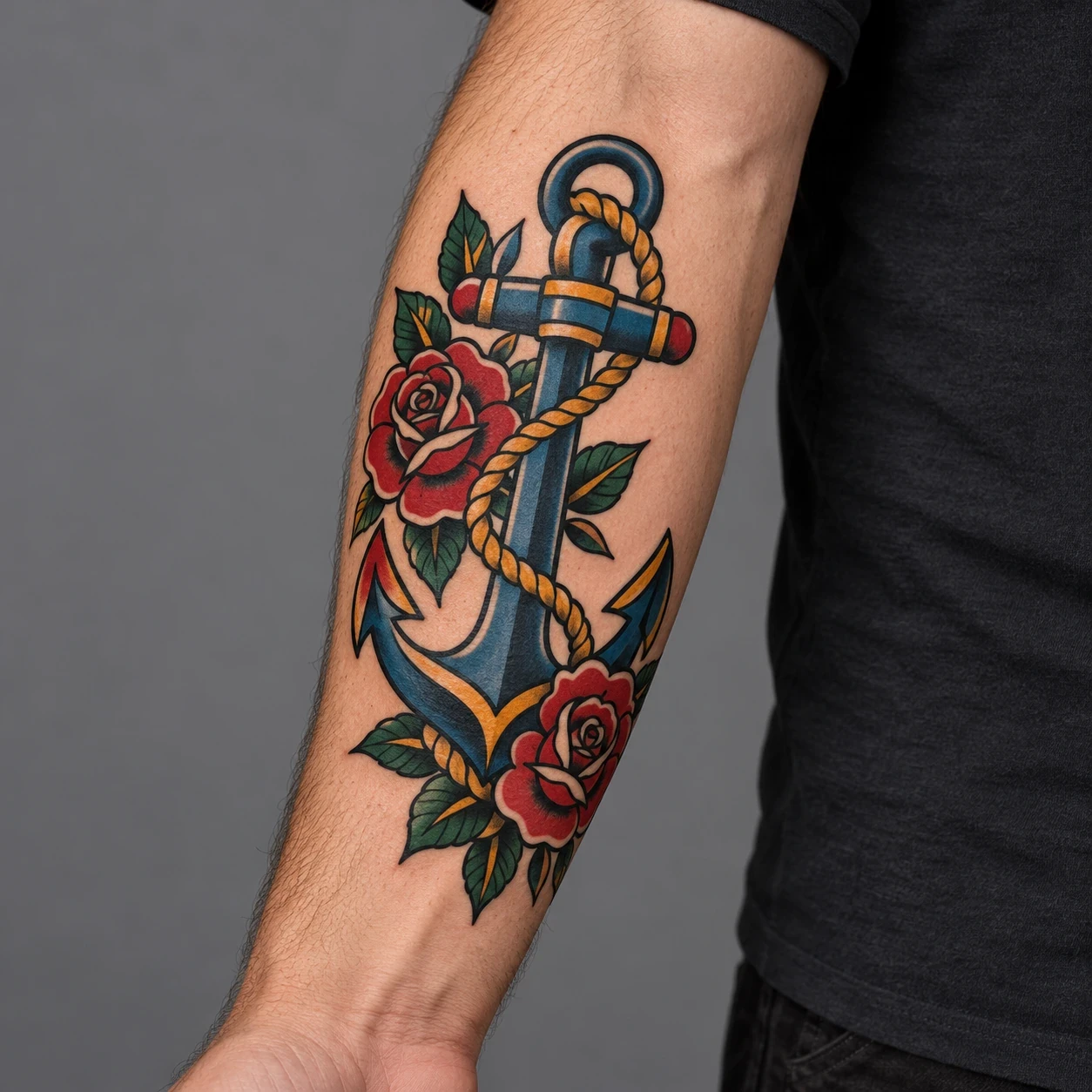
| American traditional | Nautical meaning, bold visibility | 4–8 inches | Best long-term readability of any style here |
| Black and grey realism | Large back, chest or thigh pieces | 8 inches and up | Holds shape well; mid-greys lighten over time |
| Watercolour | Colour without hard outlines | 4–7 inches | Fades fastest; usually needs a touch-up within a decade |
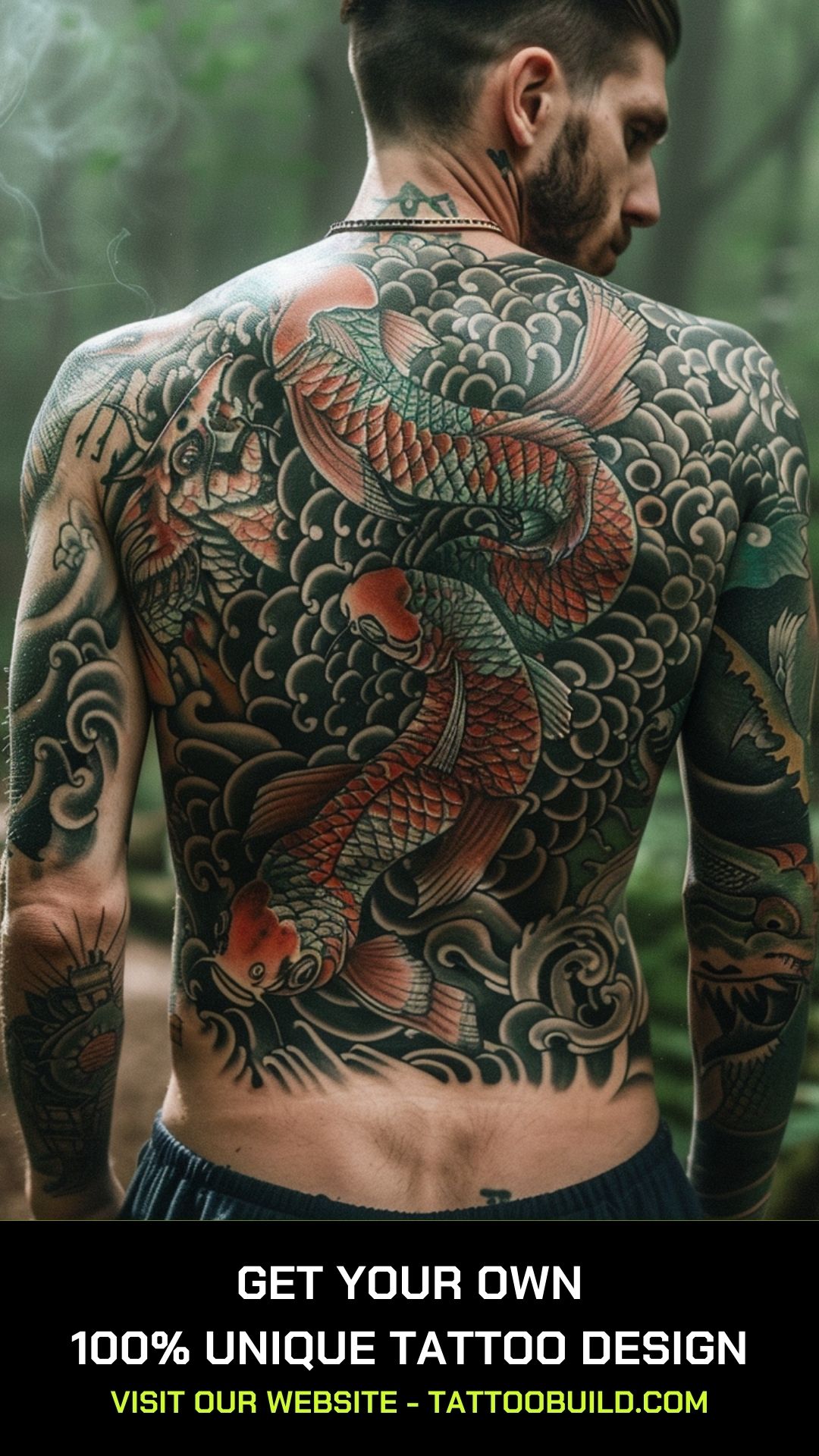
| Japanese-influenced | Larger flowing compositions with water | Half sleeve or larger | Very well, provided the composition is planned as a whole |
If you are torn, my honest advice is to pick by how long you want the tattoo to look sharp rather than by what photographs best on the day.
Why Flying Fish Carry So Much Meaning
The symbolism is unusually well earned, because the animal genuinely does something extraordinary.
According to the National Wildlife Federation, flying fish leave the water at speeds of more than 35 miles per hour and can glide up to roughly 650 feet, across around 40 species.
That is the detail I always pass on to clients, because it changes what the tattoo is about. The glide is not magic — it is bought with a hard run underwater first.
So the design carries a meaning most animal tattoos do not: the freedom is a result, not a gift. People coming out of a long illness, a degree, a divorce or a career change tend to hear that immediately.
There is also a cultural layer. Flying fish are a national emblem in Barbados, and in fishing communities across the Caribbean and the Pacific they are associated with abundance and safe returns rather than with escape at all.
What a Flying Fish Tattoo Means
In my experience the same design carries at least six distinct meanings, and most people arrive with two or three of them layered together.
Freedom and Breaking Out
This is the most common reading by a wide margin. The fish leaves the medium it was born into, which is a fairly direct image for leaving a job, a town, a relationship or a version of yourself.
What makes it different from a bird tattoo is the return. The fish always comes back down to the water, and several people I have spoken to chose it specifically for that honesty — they were not claiming to have escaped permanently, only to have found air.
Fine line work suits this reading. A single fish mid-glide with clean negative space around it says more than a busy scene with waves, spray and a horizon crammed in behind it.
Resilience and Overcoming Obstacles
The second reading focuses on the effort rather than the flight. Flying fish glide to evade predators — it is survival behaviour, not play.
Clients marking recovery, sobriety, or years of grinding at something difficult usually respond to this framing, and it changes the drawing: the body stays tense and the fins are fully extended rather than relaxed.
Size helps here. Large pieces carry weight that a two-inch design cannot, and a back or thigh piece gives the artist room to make the fins genuinely wing-like.
Travel, Wanderlust and Distance
Flying fish cross open ocean far from land, which makes them a natural fit alongside other travel tattoo ideas.
I have seen this version done with coordinates, a small compass rose, or a constellation worked into the negative space above the fish.
A word of caution I give every time: dates and coordinates age badly as tattoos and as decisions. The fish alone still means the same thing in twenty years.
Spiritual and Cultural Meanings
Fish carry religious and folk meaning almost everywhere, and the flying fish inherits most of it — abundance, fertility, the boundary between the seen and unseen.
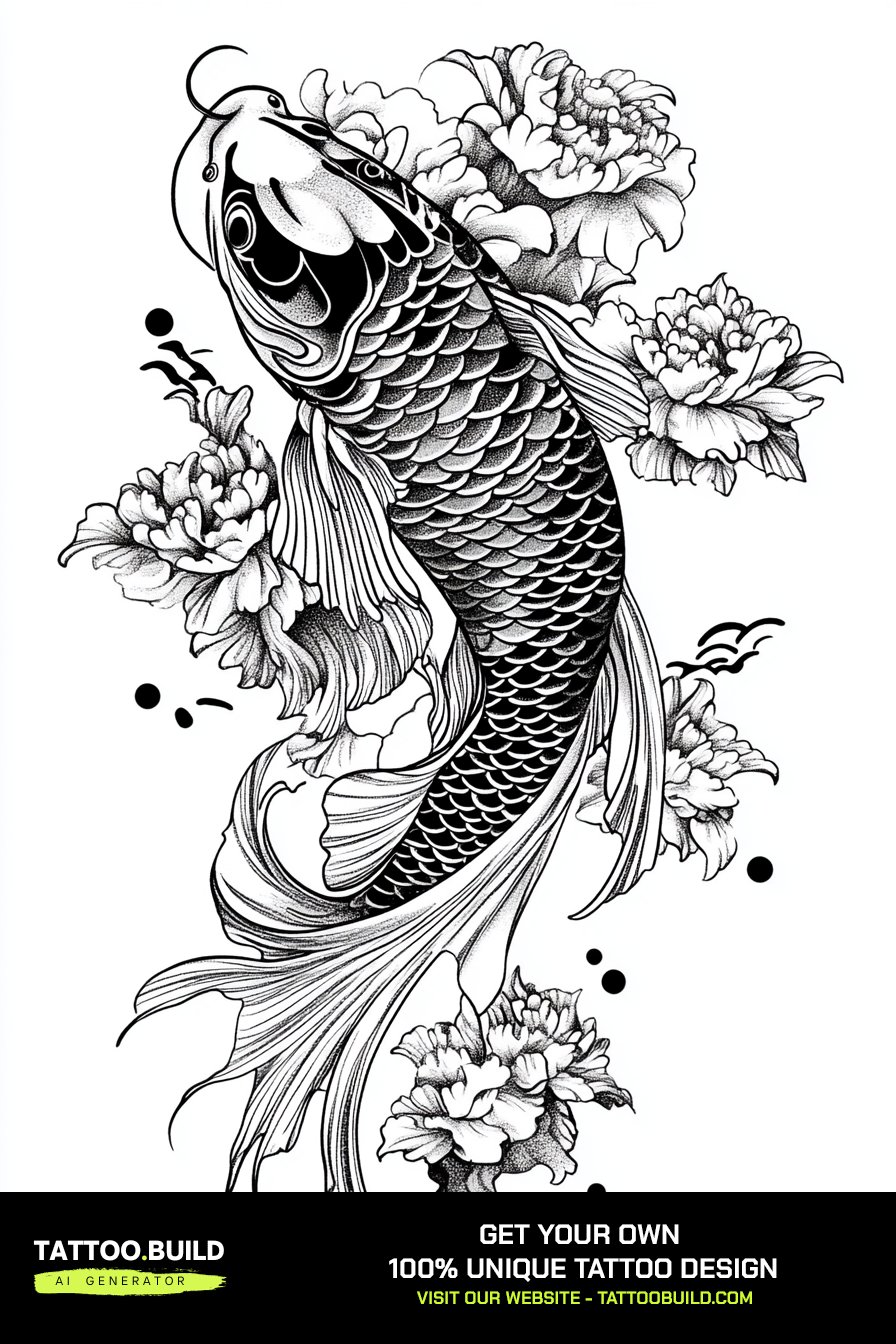
In Japanese-influenced tattooing the fish that ascends is a deeply established motif, which is why so many people compare this design with koi fish tattoo designs before committing.
I would be careful about claiming a specific traditional meaning that is not yours. Every artist I have asked prefers a client who says “this is what it means to me” over one repeating something from a symbolism listicle.
New Beginnings and Change
The transition between water and air makes this an obvious marker for a threshold — a move, a birth, a first year of something.
These tend to be the smallest tattoos in the category. A neck, wrist or behind-the-ear placement suits a private meaning that does not need explaining to strangers.
Be realistic about scale, though. Under about two inches the fins and the fish body start to merge as the tattoo settles, and detail you paid for disappears.
Nautical and Sailor Heritage
Flying fish landing on deck is one of the oldest pieces of sailor lore there is, and the motif sits comfortably beside swallows, anchors and ship tattoo ideas in a traditional collection.
If you already have traditional work, matching styles matters more than matching subjects. A fine line fish next to a bold traditional anchor rarely looks intentional.
This is the version I would choose if I wanted the tattoo to look good at sixty. Heavy outlines and a limited palette are simply more durable than delicate shading.
Placement and Design Variations
Placement decides how the fish is drawn far more than most people expect, because the body’s curves either support the glide or fight it.
Forearm
The forearm is the most requested spot and one of the easiest to live with, which is why it dominates general forearm tattoo ideas.
A vertical composition running with the limb works better than a horizontal one. It also heals quickly and stays visible to the wearer, which matters more than people admit.
Shoulder and Upper Arm
The shoulder gives a broad, rounded surface that suits mid-size pieces, and it is a reliable choice among shoulder tattoos generally.
The curve does mean the whole design is never visible from one angle. Ask to see the stencil from three sides before the needle starts.
Upper Back and Spine
Between the shoulder blades is, to my eye, the best placement for this subject. The body is naturally symmetrical there and the fins get to sit like wings without the artist forcing it.
The trade-off is that you will never see it without two mirrors, and healing is harder because you cannot easily reach it.
Ribs and Side
Ribs suit long, trailing compositions — a single fish with a spray of smaller ones, or a design that follows the body’s curve downward.
It is also one of the more painful areas, and sessions there run shorter than most people plan for. Budget two sittings for anything detailed.
Ankle and Small Placements
Ankles work when the design is simplified deliberately rather than shrunk from a bigger drawing.
Expect faster fading here than anywhere else on the body. Feet and ankles take friction from shoes and socks daily, and touch-ups are normal rather than a sign something went wrong.
Colour, Watercolour and Fine Line Variations
Colour changes the mood completely. Warm orange and red push the design toward tropical and lively; black and grey pushes it toward serious and symbolic.
Soft-edged approaches borrowed from watercolor tattoo ideas look beautiful fresh, but ask your artist honestly how their healed watercolour work looks at the five-year mark before you commit.
Practical Tips and Aftercare
Bring reference of the style you want, not just the subject. Ten photos of fine line work tells an artist more than ten photos of flying fish in ten different styles.
Ask to see healed photos specifically. Fresh work looks good almost universally; healed work is where skill actually shows, and any artist worth booking will have those photos ready.
For aftercare, follow whatever your artist tells you first — they know their inks and their technique. General guidance from the American Academy of Dermatology covers the basics of keeping new work clean, moisturised and out of the sun.
If you see spreading redness, swelling that worsens after the first few days, pus, or a fever, that is a doctor’s appointment, not something to manage yourself. Allergic reactions to red and yellow pigments are uncommon but real, and they can appear weeks or even years later.
Common Mistakes — and Still Not Sure?
The mistake I see most often is over-detailing a small tattoo. Scales, spray, bubbles and a horizon line at three inches becomes a grey smudge within a decade.
The second is choosing an artist by price rather than by portfolio fit. A brilliant traditional artist is often the wrong choice for a delicate fine line fish, and the reverse is equally true.
The third is rushing placement. Sit with a temporary version for a week if you can — most regret I hear about is location, not subject.
If the fish itself is not quite landing for you, it is worth comparing against minimalist tattoo ideas for something quieter, or the symbolism behind wave and moon tattoos if the ocean association is what actually drew you in.
Frequently Asked Questions
What does a flying fish tattoo symbolize?
Most often it symbolises freedom, escape and the ability to rise above difficult circumstances. Because flying fish build speed underwater before they glide, the design also carries a strong secondary meaning of effort and resilience rather than effortless freedom. In Caribbean and Pacific fishing cultures it is additionally associated with abundance and safe returns. The meaning you assign it matters more than any traditional reading.
How much does a flying fish tattoo cost?
Small fine line pieces commonly fall in the range of a shop minimum to a few hundred dollars, while large back or thigh work is priced by session and runs into the thousands. Rates vary enormously by city, artist demand and style, so any figure here is a rough guide rather than a quote. Ask for a consultation quote based on your actual design and placement. Be wary of prices far below local norms.
Where is the best placement for a flying fish tattoo?
The forearm and upper back are the two placements I would recommend first. The forearm suits a vertical composition and heals easily, while the area between the shoulder blades lets the fins read naturally as wings. Ribs and ankles both work but fade or hurt more than people expect. Choose based on visibility and how much space the design genuinely needs.
Does a flying fish tattoo hurt more than other designs?
Pain depends on placement, not subject. Forearm and outer shoulder are generally among the more tolerable areas, while ribs, ankles and the spine are consistently reported as more painful. Larger pieces also mean longer sessions, which is its own kind of difficulty. Eat beforehand and tell your artist if you need a break.
How long will a flying fish tattoo stay looking sharp?
Bold traditional work usually holds its clarity longest, often looking strong for decades with sun protection. Fine line and watercolour designs typically soften within five to ten years and may need a touch-up. Sun exposure is the single biggest factor you control. Daily sunscreen on healed work makes a genuine difference.
Quick Summary
- A flying fish tattoo most often means freedom, escape and resilience — freedom earned through effort, not given.
- Real flying fish reach over 35 mph leaving the water and glide up to about 650 feet, per the National Wildlife Federation.
- Secondary meanings include travel, new beginnings, spiritual transition and nautical heritage.
- Style matters more than subject: traditional lasts longest, watercolour fades fastest.
- The forearm and the area between the shoulder blades are the strongest placements for this design.
- Avoid over-detailing anything under about four inches — fine detail closes up as it heals.
- Ribs and ankles are more painful and fade faster; plan for touch-ups.
- Follow your artist’s aftercare, use sunscreen on healed work, and see a doctor for any sign of infection.