A neck tattoo for women is one of the boldest, most personal placements you can choose — it sits right at eye level, so there is nowhere to hide it and no way to do it half-heartedly.
I have watched clients agonise over this spot more than almost any other, and I understand why. The neck is intimate, visible, and a little bit daring all at once.
In my experience, the women who love their neck tattoos most are the ones who treated the decision seriously: they thought about placement, pain, their job, and how the design would age before they ever booked the chair. This guide walks through all of that, alongside a gallery of styles I keep coming back to.
If you are still deciding on an overall vibe, it is worth browsing broader classy tattoo design ideas first, then narrowing down to the neck once you know the look you want.
Which Neck Placement Is Right for You?
Not all neck real estate is equal. The side, nape, throat, and behind-the-ear each behave differently for pain, visibility, and how much design they can hold.
Here is the rough breakdown I give clients before we pick a spot.
| Placement | Pain Level | Visibility | Best For |
|---|---|---|---|
| Side of neck | Moderate to high | Always on show | Script, florals, vines |
| Nape / back | Moderate | Hidden by hair down | Symmetrical or centred designs |
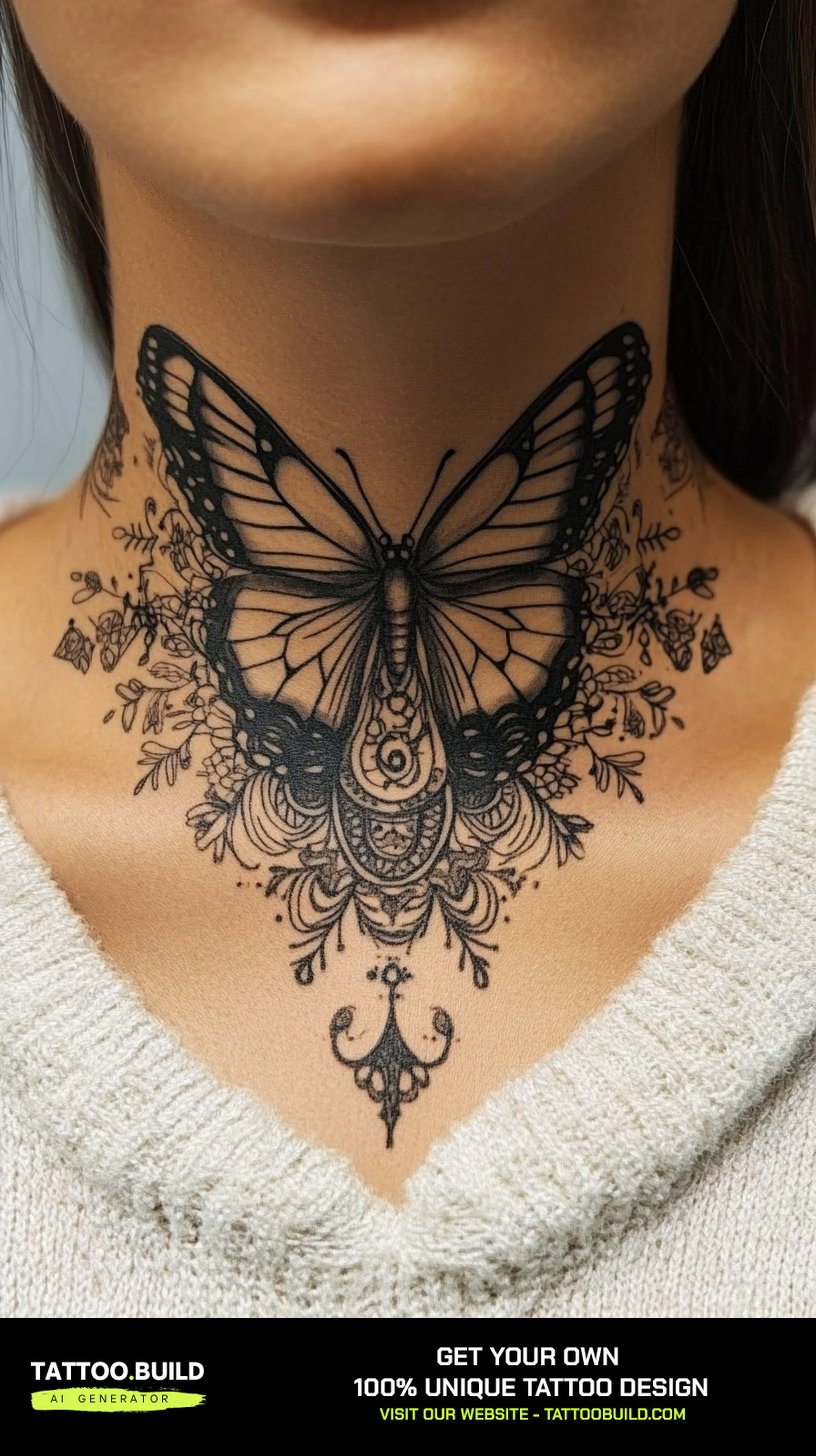
| Throat / front | High | Very prominent | Bold, committed statement pieces |
| Behind the ear | Moderate | Easy to hide | Tiny symbols, first-timers |
If the throat sounds intimidating, you are not wrong — the front of the neck is one of the more sensitive spots on the body, and I always tell clients to start elsewhere unless they are certain.
What to Know Before You Get a Neck Tattoo
The neck is thin-skinned, close to bone, and moves constantly — you turn, swallow, and talk with it all day. That movement is exactly why placement and artist choice matter more here than on, say, a thigh.
In most cases the neck heals well, but it can feel tender for the first few days simply because you cannot keep it still. Sleeping is usually the awkward part.
Visibility is the other big factor. A neck tattoo is hard to cover with clothing, so think honestly about your workplace and how you feel about questions from strangers. Every artist I have asked agrees this is the number one thing clients underestimate.
Pain is real but manageable. The side and back of the neck are moderate for most people; the throat is genuinely sharp. If you want a sense of how nerve-dense areas feel, the discussion around whether spine tattoos are dangerous covers similar close-to-bone territory.
None of this is meant to scare you off. It is meant to help you walk in prepared, which is the single best predictor of loving the result.
Neck Tattoo Styles for Women I Come Back To
These are the design directions that consistently look good on the neck, with a gallery for each so you can see how they sit on the actual placement.
Floral and Botanical Necks
Flowers are the request I hear most, and for good reason — they follow the curve of the neck without fighting it. Roses, wildflowers, and small sprigs all work.
For a softer look I lean toward fine line work with a little grey wash rather than heavy black. If you want the flowers to carry meaning, a birth flower design is a lovely, personal starting point.
When I test floral layouts on a client, I always draw them wrapping slightly around the side rather than sitting flat — it reads more natural once it is on skin.
Cherry Blossom Designs
Cherry blossoms deserve their own mention because the vertical branch shape is almost purpose-built for the neck.
The petals give you a chance to add soft pink or keep it entirely black and grey. If you love the motif, the full cherry blossom tattoo guide has more placement ideas.
Script and Quote Tattoos
Lettering along the side of the neck is a classic for a reason. A name, a date, or a short phrase can be genuinely striking.
My one rule: keep it short. Long quotes shrink the text too small for the neck and blur as they age. In my experience a single word or a two-word phrase holds up best.
Angle the baseline with the neck rather than forcing it level — it flows better. If you are torn between the neck and something more hideable, compare it with female wrist tattoo ideas before you commit.
Geometric and Fine-Line Designs
Geometric shapes love the flat plane of the throat and the side of the neck. Clean lines, symmetry, and a bit of dot work go a long way.
The catch is that geometry is unforgiving — any wobble shows. Pick an artist who does this style regularly. For inspiration that pushes further, the geometric cyberpunk tattoo ideas gallery is worth a look.
When I tested finer geometric linework against solid blocks over time, the fine lines consistently aged more gracefully on thin neck skin.
Bird and Feather Motifs
A single bird in flight is one of the most requested neck symbols, and it never really goes out of style.
Swallows, sparrows, and small silhouettes all suit the neck because they can be tiny and still legible. The meaning of a swallow bird tattoo is a good rabbit hole if you want symbolism behind the design.
For placement specifically, I often point clients to dedicated bird tattoo on neck examples so they can see scale before deciding.
Minimalist and Symbolic Pieces
If you are nervous, small is smart. A single line, a tiny symbol, or a discreet initial lets you live with the placement before you commit to anything larger.
These are also the easiest to cover for formal occasions, which matters more than people expect once real life sets in.
Placement Variations Worth Considering
If the classic side-neck feels like too much, these variations give you the same energy with more control.
Behind the Ear
Behind the ear is the gentlest way into neck tattoos. It is small, easy to hide, and less painful than the throat. Browse dedicated back-of-ear tattoo ideas if you want something subtle.
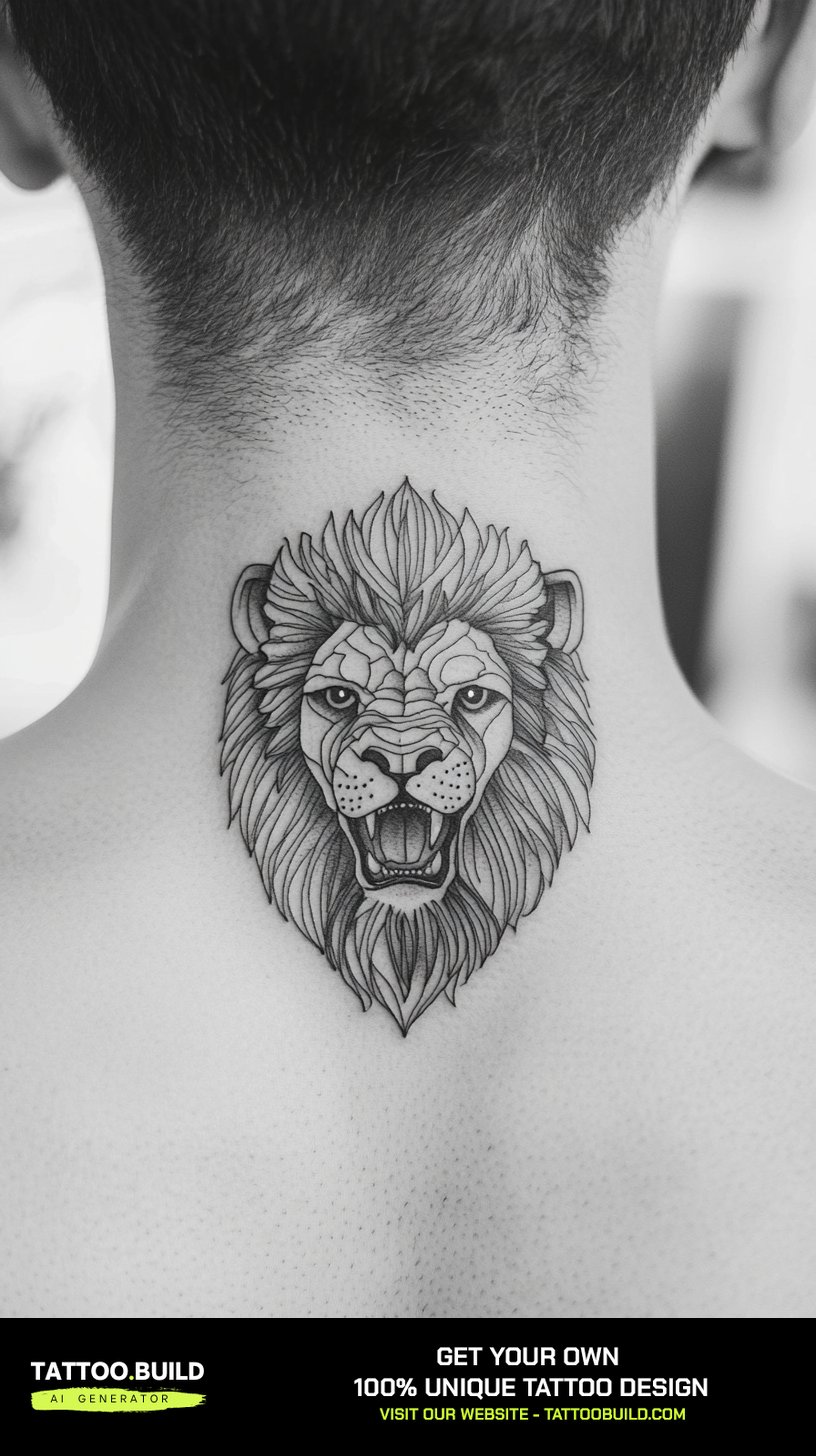
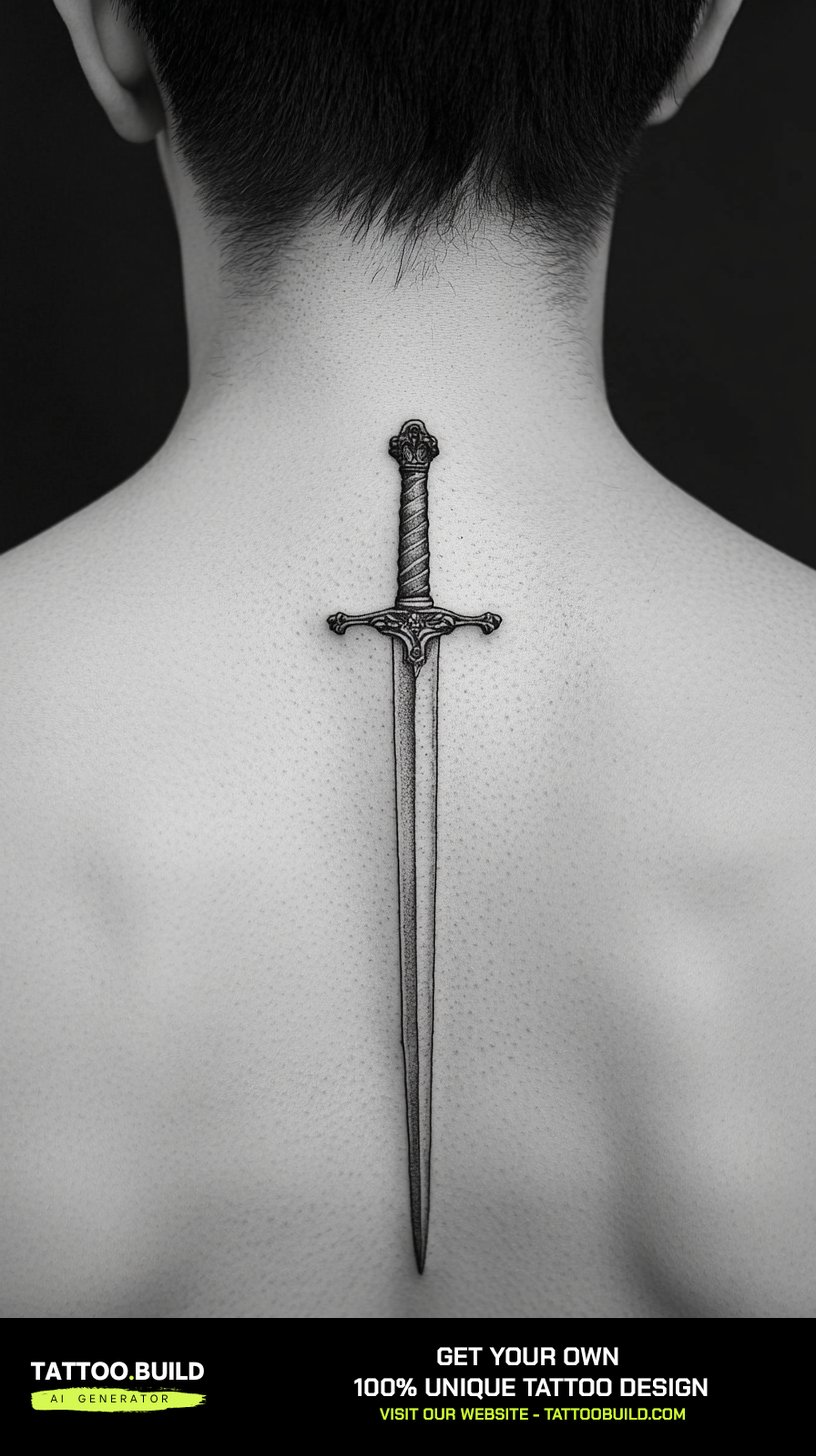
Nape and Back of Neck
The nape is a favourite for anyone who wants the option to hide it. Wear your hair down and it disappears; wear it up and it is a lovely reveal.
Centred, symmetrical designs sit best here because the spot is flat and framed by the spine.
Ornamental and Flowing Designs
Ornamental filigree frames the neck like jewellery and flatters almost everyone. It pairs beautifully with delicate side-neck line work for a connected, jewellery-like effect down the line.
Neck Tattoo Aftercare and Practical Tips
Neck aftercare is mostly about managing movement and friction. The ink itself heals like anywhere else, but collars, hair, and pillows all rub the spot.
For the first couple of weeks I tell clients to keep hair tied back, sleep on the opposite side where they can, and avoid high collars that drag on fresh work. Wash gently, pat dry, and use only a thin layer of whatever aftercare your artist recommends.
Sun is the long game. The neck catches a lot of daylight, so once it is fully healed, sunscreen is the single best thing you can do to keep the design crisp for years.
If anything looks unusually red, swollen, or hot, or you run a fever, that is not something to tough out — see a doctor. The Mayo Clinic guidance on tattoos is a sensible plain-English overview of the real risks, and the FDA tattoo fact sheet lays out infection and allergy risks clearly. This article is design guidance, not medical advice, so treat a professional artist or doctor as the final word on healing.
Common Neck Tattoo Mistakes to Avoid
The most common mistake I see is going too detailed too small. The neck cannot hold fine detail the way a forearm can, so busy designs turn into a smudge within a few years.
The second is ignoring the job question. Be honest about whether a visible neck piece fits your working life now, not just the life you imagine.
Still not sure the neck is your spot? It is completely fine to start somewhere more forgiving. Many clients test the water with classy shoulder tattoos before deciding on a spot this visible.
Frequently Asked Questions
Do neck tattoos hurt a lot?
The side and back of the neck are moderate for most people, while the throat is genuinely sharp because the skin is thin and close to bone. Pain is very individual, so what one person shrugs off, another finds intense. In my experience, the anticipation is usually worse than the reality for the side and nape. If you are worried, start with a smaller behind-the-ear piece to learn how you handle it.
Will a neck tattoo affect my job?
It can, depending on your industry and workplace culture. Neck tattoos are hard to hide with clothing, so a customer-facing or conservative role may notice it more than a creative one. I always tell clients to think about their current job honestly rather than an imagined future. If in doubt, a nape or behind-the-ear placement gives you the option to conceal it.
How long does a neck tattoo take to heal?
Surface healing usually takes around two weeks, with full healing of the deeper layers taking a month or more. The neck can feel tender early on simply because you move it constantly. Keep hair tied back and avoid high collars during that window. If you notice spreading redness, heat, or fever, see a doctor rather than waiting it out.
What neck tattoo designs age the best?
Simpler designs with clean lines age best on the neck because the skin is thin and detail blurs over time. Fine-line florals, short script, single birds, and bold-but-simple geometric shapes tend to hold up. Overly detailed or very tiny busy pieces are the ones I most often see needing touch-ups. Sunscreen once healed makes a bigger difference than most people realise.
Can a neck tattoo be covered or removed later?
Placement determines how easily it can be covered day to day — a nape or behind-the-ear piece hides under hair, while a throat piece does not. Removal is possible with laser but tends to take several sessions and is not guaranteed to be complete. Because of that, treat a neck tattoo as a long-term commitment rather than something you plan to undo. If you are unsure, start small.
Quick Summary
- Pick your placement first — side, nape, throat, or behind the ear each behave differently.
- Be honest about your job and how visible you want the tattoo to be.
- Keep designs simpler than you think; the neck blurs fine detail over time.
- Florals, short script, single birds, and clean geometry are the most reliable styles.
- The throat is the most painful spot; the side and nape are moderate for most people.
- Choose an artist who regularly works on necks, especially for fine line and geometry.
- Manage aftercare around movement: tie hair back, avoid high collars, sleep carefully.
- Once healed, sunscreen is the best thing you can do to keep it crisp for years.