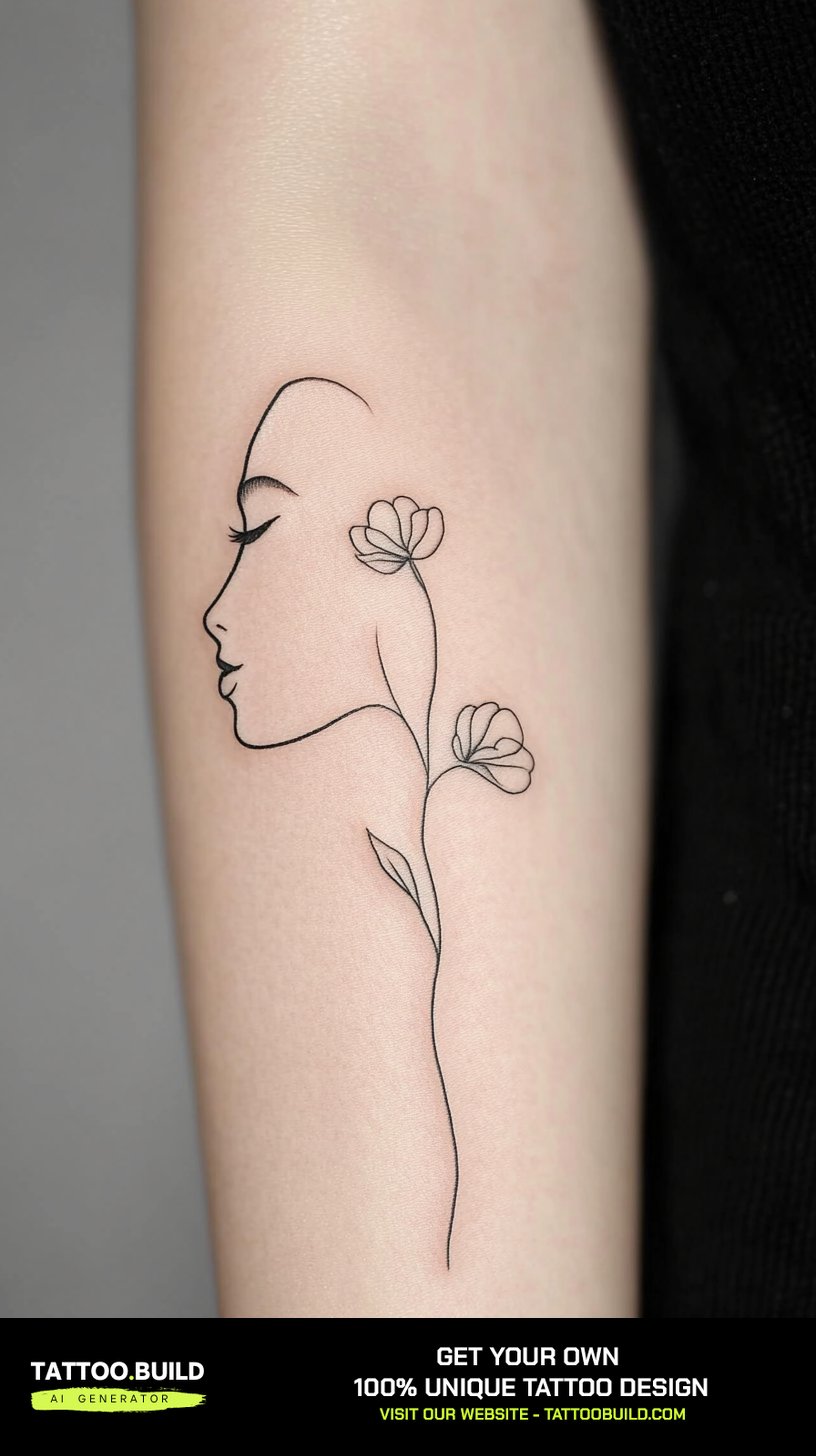
A dainty tattoo is not just a small tattoo — it is a design built around restraint, where the thin line and the empty space around it do most of the work. That difference is the whole reason some of these pieces still look beautiful a decade later and others turn into a grey smudge.
I have been writing about small-scale ink for years, and dainty designs are the request I hear most often from women booking their first appointment. They are also the ones people most often get slightly wrong.
The mistake is almost always the same: too much detail crammed into too little skin. A dainty piece works when it says one thing clearly, which is exactly the logic behind most good minimalist tattoo ideas.
Below are the styles, placements, size ranges and honest trade-offs I would walk a friend through before she booked. Every design shown here is a real dainty tattoo, not a rendering.
Which Dainty Tattoo Style Is Right for You?
Most dainty tattoos fall into one of four approaches. They age very differently, and that is the part artists wish clients asked about more often.
| Style | Typical size | How it ages | Best for |
|---|---|---|---|
| Single-needle fine line | 1–3 inches | Softens noticeably; often wants a touch-up in 3–7 years | Script, botanicals, portraits in miniature |
| Bold minimal outline | 1–2.5 inches | Holds best of the four; still readable long-term | Symbols, icons, anything you want permanent |
| Micro / tiny | Under 1 inch | Highest blur risk; fine gaps can close up | Fingers, behind the ear, tucked placements |
| Soft grey wash | 2–4 inches | Lightens gradually; shape survives, contrast fades | Shadowed florals, illustrative pieces |
If you want the design to look almost identical in fifteen years, the bold minimal outline is the honest answer. If you want the delicate, drawn-on-paper look, fine line gives you that — you are simply accepting a touch-up somewhere down the line.
What Actually Makes a Dainty Tattoo Work
The first thing every artist I have asked brings up is spacing. Ink spreads slightly under the skin over years, so two lines drawn a millimetre apart will eventually read as one thicker line.
That is why a good dainty design leaves gaps that look almost too generous on the stencil. On the skin, five years later, those gaps are what keep the shape legible.
The second factor is placement. Skin that stretches, creases or sees heavy friction — fingers, palms, the inside of the wrist crease, the tops of the feet — is harder on fine lines than flatter, more protected areas.
Sun exposure matters just as much. A thin black line on a forearm that never sees sunscreen will fade faster than the same line on an upper arm, which is one of the more consistent things dermatologists point out about tattoo longevity.
And finally: scale. A design that looks perfect at four inches often cannot be shrunk to one and a half without dropping detail, which is why so many fine line tattoo ideas are drawn from scratch at the intended size rather than resized down.
Dainty Tattoo Ideas for Women, by Style
These are the seven directions I see requested most, with the practical notes that usually come up in the consultation.
1. Fine Line Florals and Botanicals
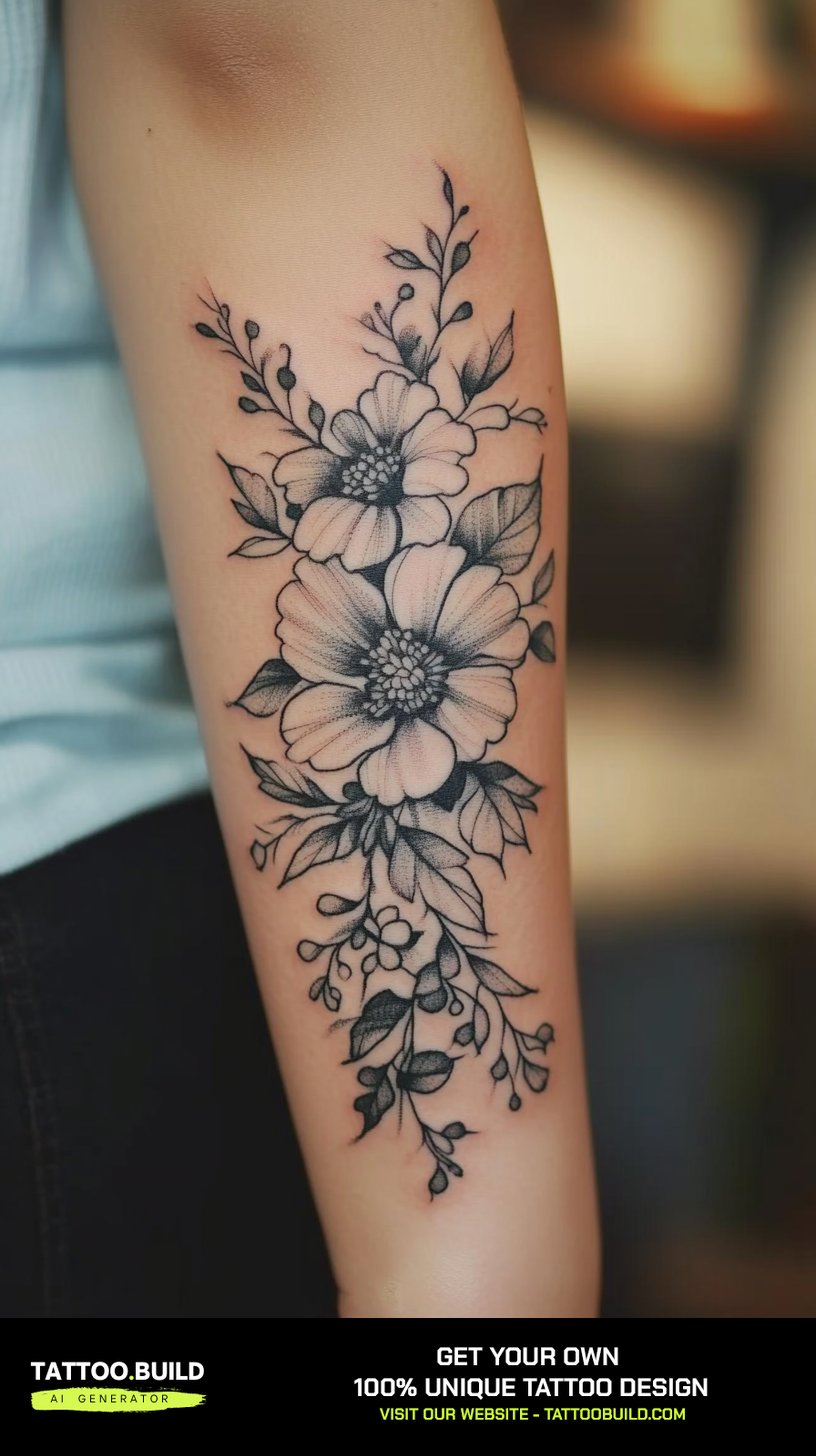
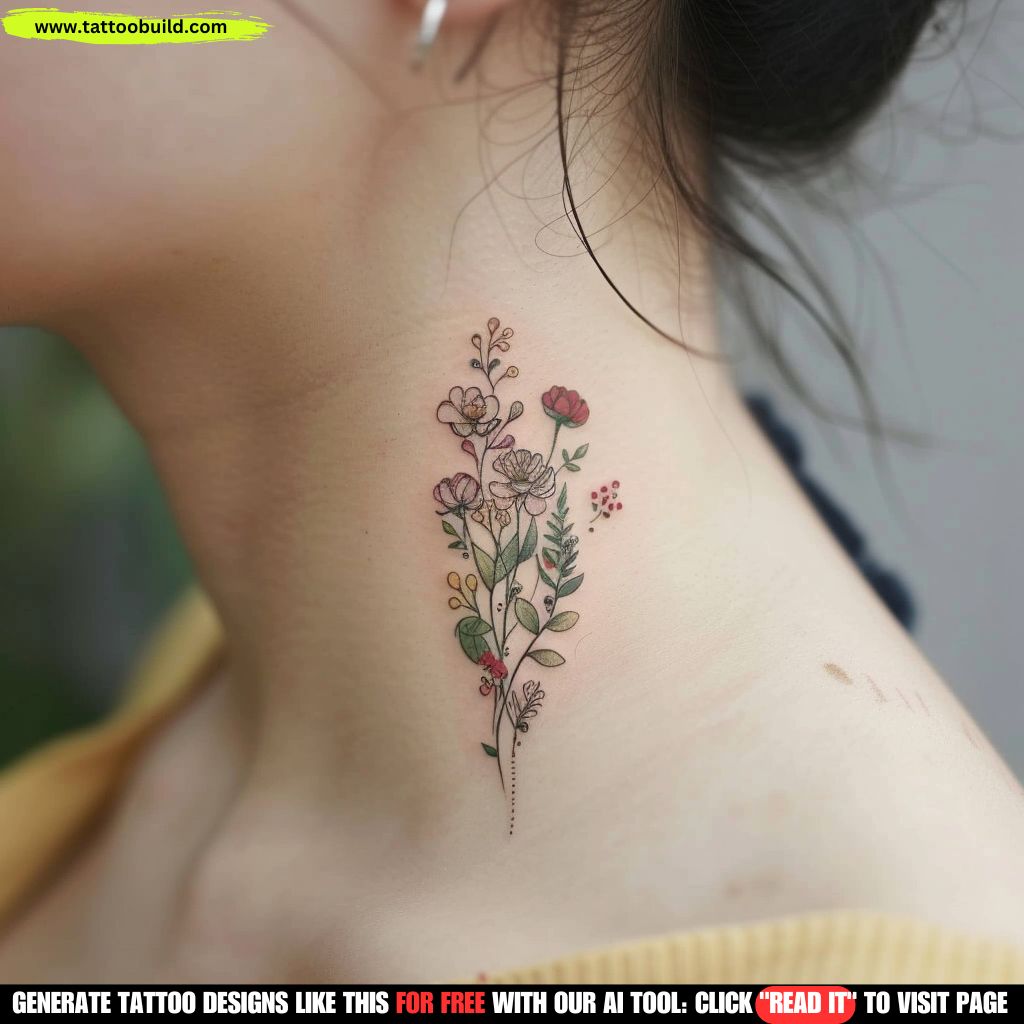
Florals are the single most requested dainty design, and for good reason — a stem with two or three leaves reads clearly at almost any size.
The trick is choosing a flower with a simple silhouette. Lavender, wildflower sprigs, olive branches and single-stem daisies translate beautifully. Peonies and roses, with their layered petals, tend to fill in when scaled below about two inches.
Many women pick their birth flower or a flower tied to someone they love, which gives a small piece real weight without needing size to carry it.
When I have compared healed fine line botanicals against fresh ones, the pieces that held up best were the ones with fewer, longer strokes rather than lots of short fussy detail.
2. Tiny Symbols and Icons
A symbol is the most durable dainty tattoo you can get, because meaning does the work that detail would otherwise have to.
Anchors, arrows, small keys, wave lines, mountain outlines, semicolons and simple geometric shapes all sit comfortably under two inches.
These usually take twenty to forty minutes in the chair, which makes them a genuinely low-commitment first tattoo — both in cost and in how long you have to sit still.
My honest advice here: ask the artist to use a slightly heavier needle than they would for script. It costs you nothing in delicacy and buys you years of clarity.
3. Delicate Script and Lettering
Script is where I see the most regret, and almost always for the same two reasons: too many words, or a font that is too thin.
One word or a short phrase is the sweet spot. A single name, a date, a two-word phrase — these stay readable. A full sentence in hairline script on the ribs rarely does.
Handwriting tattoos, taken from a letter or a card, are the exception I always encourage. The meaning is irreplaceable, and artists can thicken the strokes slightly while keeping the character intact.
If you are set on a longer quote, consider going a little larger and choosing a placement with flat, stable skin rather than shrinking it to fit a wrist.
Flower designs and the prompts behind them
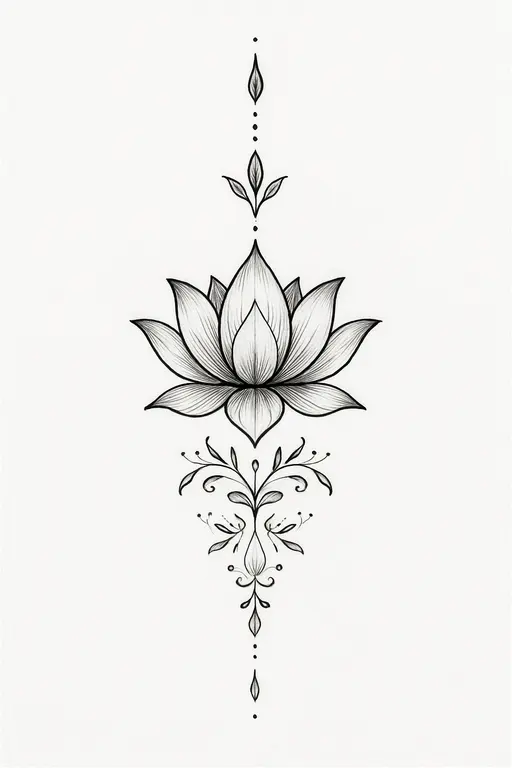
Elegant black and gray linework tattoo of a lotus flower centered on the spine, with ornamental details extending vertically up the nape of the neck and down the upper back. Symmetrical fine lines, soft shading, delicate mandala-inspired accents with dots and leaves. Minimal yet intricate, graceful and feminine style.
Use this idea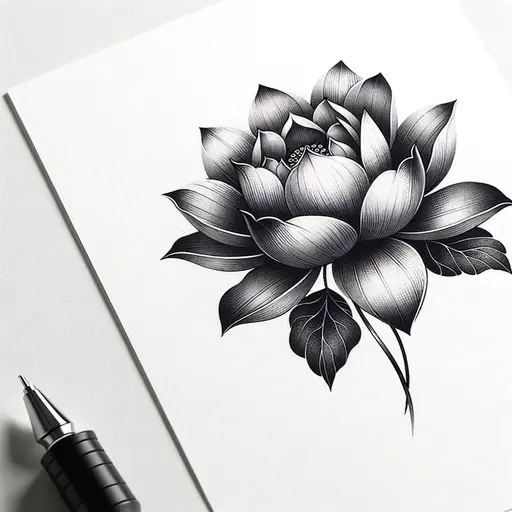
lotus flower tattoo design
Use this idea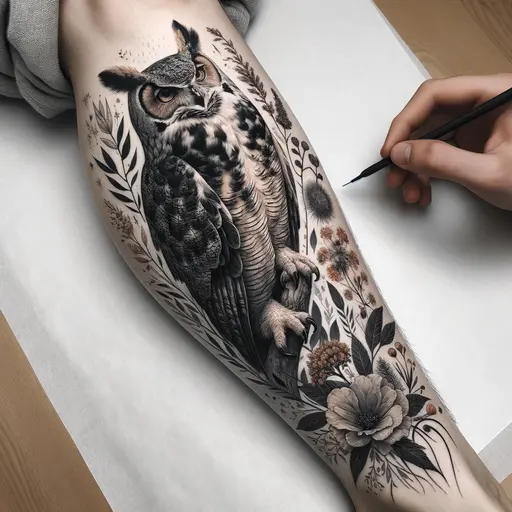
Nature shin tattoo with great horned owl on the calf surrounded by flowers and nature in black and grey and some color
Use this idea
4. Celestial: Moons, Stars and Suns
Celestial designs have stayed popular for years, and they suit the dainty format almost perfectly — a crescent is a single curve, a star is a handful of points.
Crescent moons behind the ear, a small constellation across the collarbone, or a sun and moon pairing on either side of the wrist are all requests I have seen work well at small scale.
Constellations deserve one caution: dots placed very close together can merge over time. Ask for slightly wider spacing than the star chart suggests, and slightly larger dots.
The advantage of celestial work is that it scales. The same design can be one inch or four, and it still reads.
5. Animals, Birds and Insects
Butterflies, bees, dragonflies, small birds and single-line cats and dogs are constant requests, and they carry meaning easily — transformation, freedom, a pet remembered.
The design decision that matters is whether you want an outline or a filled silhouette. Silhouettes hold up better; outlines look lighter and more delicate.
Wings are the detail most likely to blur. The fine internal patterning on a butterfly wing is exactly the kind of tight detail that closes up over ten years, so many artists simplify it deliberately.
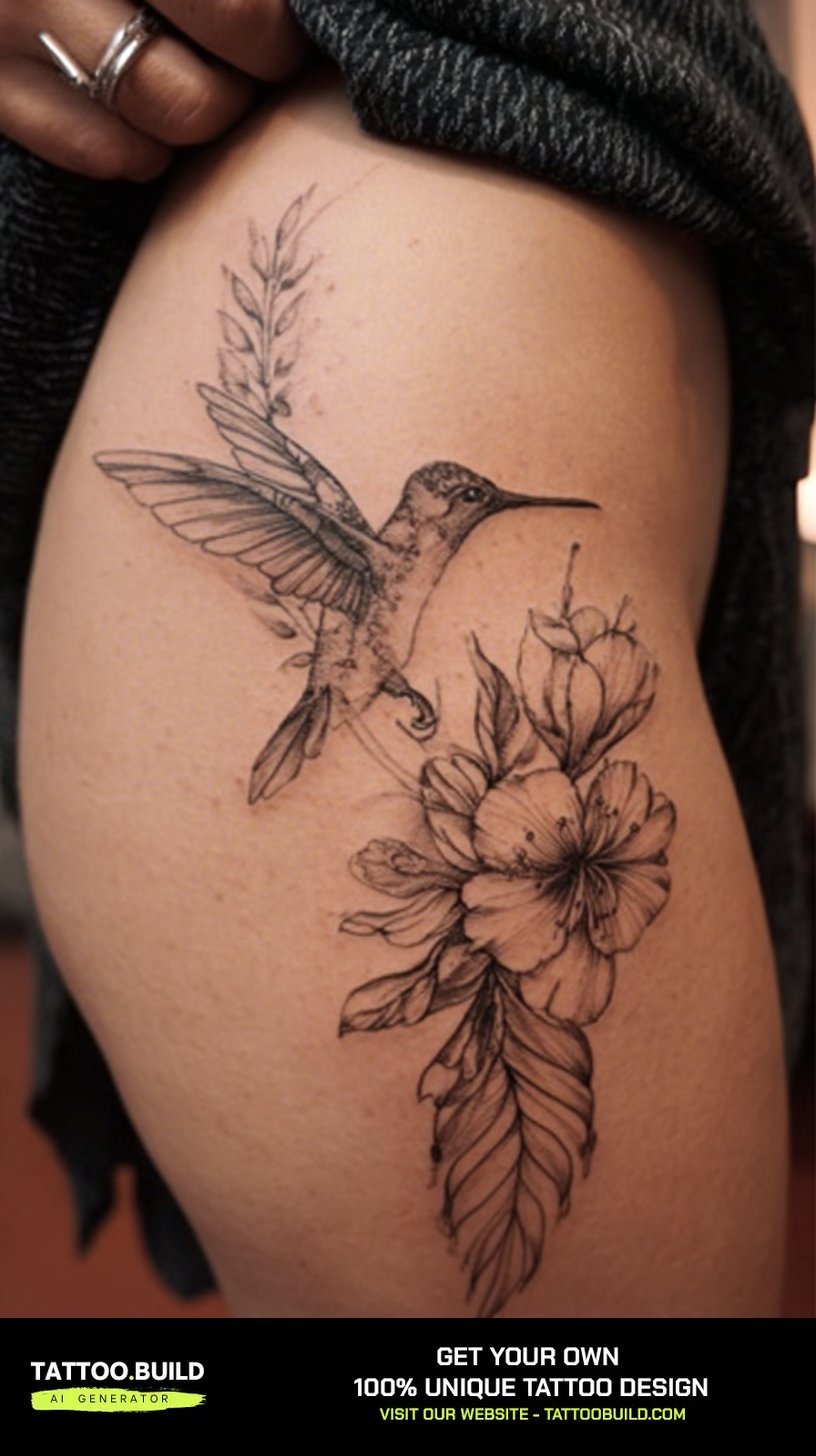
When I have asked artists which small animal design they most enjoy tattooing, the answer is usually a bird in flight — three or four strokes, instantly readable, ages well.
6. Continuous Line Art
Continuous line art — a face, a figure or an abstract shape drawn without lifting the needle — became a defining dainty style over the past few years and has not faded.
It suits larger dainty placements: the forearm, the outer thigh, the back of the shoulder. Below about three inches, the curves start to lose their elegance.
Because there is only one line, the quality of that line is everything. This is a style where the artist’s portfolio matters more than the design reference you bring in.
Ask specifically to see healed photos of their line work, not just fresh ones. Any artist confident in this style will have them.
7. Bands, Bracelets and Anklets
Thin bands are the most jewellery-like dainty tattoos, and among the most flattering because they follow the body’s own lines.
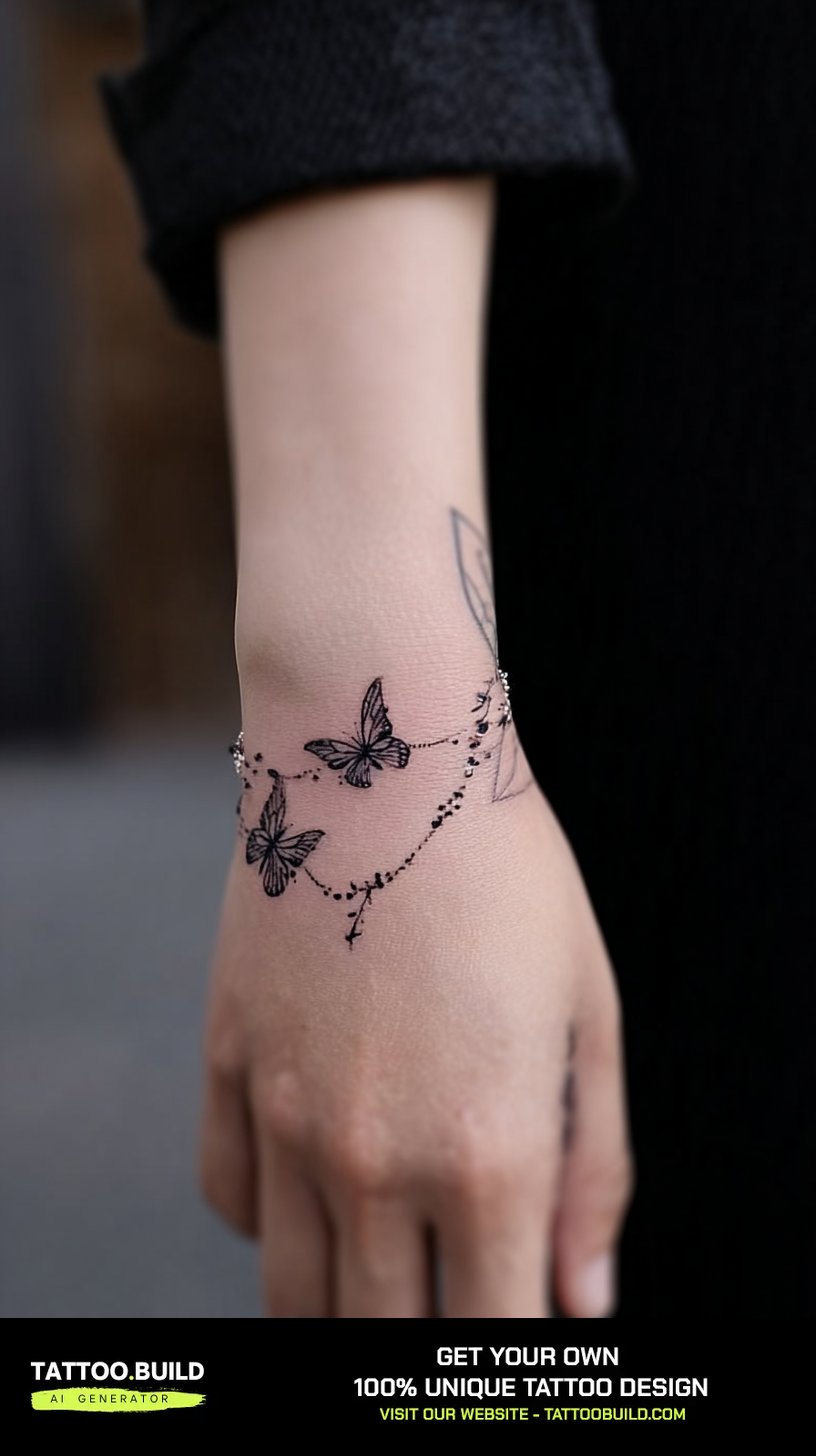
A single thin band around the wrist, a delicate chain around the ankle, or a fine ring on a finger — there is a whole range of bracelet tattoo ideas built on this idea.
Two practical notes. A band has to line up perfectly where it meets, so allow extra stencil time. And finger bands genuinely do fade faster than anywhere else on the body, because the skin there renews quickly and takes constant friction.
Every artist I have asked about ring tattoos says the same thing: expect touch-ups. Some will not tattoo fingers at all for that reason.
Variations Worth Considering
If none of the seven fit exactly, these are the adjustments I suggest most often.
Micro Tattoos
Under an inch, tucked behind the ear, on a finger or on the inner ankle. Gorgeous, and the highest-maintenance option on this page — worth reading more about before committing, since the best tiny tattoo ideas are built specifically for that scale.
Small Clusters Instead of One Piece
Rather than a single design, three or four tiny pieces spaced across a forearm. It reads as one composition but each element stays simple, and you can add to it over time.
A Touch of Colour
A single muted colour — a soft red, a dusty blue — on an otherwise black design. Colour in fine line work does fade faster than black, so treat it as an accent rather than the structure.
Slightly Larger Than Planned
The most common regret I hear is not going bigger. Adding half an inch usually costs very little extra and meaningfully improves how the piece ages.
Placement, Healing and Aftercare
Placement is a comfort decision as much as an aesthetic one. The forearm, outer thigh and shoulder are widely considered among the easier spots, while ribs, sternum and the collarbone sit closer to bone and tend to be sharper.
Healing a dainty tattoo is not different in principle from healing any tattoo, but the stakes are higher — a patch of lost ink is far more visible in a thin line than in a solid area. Follow your artist’s instructions closely and read a proper tattoo aftercare guide before your appointment, not after.
Sunscreen is the single most effective thing you can do for a fine line tattoo. The American Academy of Dermatology recommends protecting tattooed skin from the sun once it has fully healed, and for hairline work that advice is not optional if you want the design to stay crisp. Their guidance on caring for tattooed skin is a good place to start.
On safety: tattooing carries real risks including infection and allergic reaction, and the FDA and Mayo Clinic both cover these clearly. Nothing on this page is medical advice — if a healing tattoo becomes hot, swollen, unusually painful or starts weeping after the first few days, contact your artist and see a doctor. Never attempt to tattoo or remove a tattoo yourself.
Still Not Sure? Common Mistakes to Avoid
These are the four things I would tell anyone before their first dainty tattoo.
- Shrinking a design to fit a placement. Pick the placement first, then design at that size.
- Ignoring pain before booking. Ribs and sternum are a different experience from a forearm — the most painful tattoo spots are worth knowing in advance.
- Choosing an artist by price rather than portfolio. Fine line is a specialty, not a default skill.
- Expecting zero maintenance. Delicate work sometimes needs a touch-up. That is normal, not a failure.
If this is your first piece and you are still deciding on a subject rather than a style, a broader run-through of first tattoo ideas for women may help narrow it down.
Frequently Asked Questions
How long do dainty tattoos last?
A dainty tattoo is permanent, but how crisp it stays depends on line weight, placement and sun exposure. Bold minimal outlines usually stay clearly readable for decades. Very fine single-needle work often softens sooner and many people choose a touch-up somewhere in the first five to ten years. Sunscreen on healed tattooed skin makes a real difference either way.
Do small tattoos hurt less than large ones?
They hurt for less time, which is not quite the same thing. The sensation at any given moment depends far more on placement than on size — a tiny tattoo on the ribs can feel sharper than a larger one on the outer thigh. Most dainty pieces are done in under an hour, and many in twenty to forty minutes. Pain is genuinely individual, so treat any pain chart as a rough guide rather than a promise.
How much does a dainty tattoo cost?
Most studios have a shop minimum, and small pieces almost always land at or just above it. That minimum varies widely by city and by artist, so the only reliable answer is to ask the studio directly. Fine line specialists often charge more than a general shop, which reflects the skill involved. Budget for a possible touch-up too — some artists include the first one free, others do not.
Where is the best place for a dainty tattoo?
Flatter, more protected areas hold fine lines best: the forearm, upper arm, outer thigh, shoulder blade and calf. Fingers, palms, the tops of the feet and the inner wrist crease are the hardest on delicate work because of friction and skin renewal. Behind the ear and the collarbone are popular and work well, though the collarbone sits close to bone and tends to be sharper. Discuss placement with your artist — they will have seen how each spot heals on many people.
Can dainty tattoos be covered up or removed later?
Small, light tattoos are generally among the easier pieces to cover with a larger design, because there is less saturated ink to work around. Laser removal is also possible and typically takes multiple sessions, with results depending on ink colour, depth and your skin. Both are jobs for professionals — a cover-up needs an experienced artist and removal needs a qualified clinic. Never attempt at-home removal; it risks scarring and infection.
Quick Summary
- A dainty tattoo is defined by restraint and spacing, not just by being small.
- Bold minimal outlines age best; very fine single-needle work is the most likely to need a touch-up.
- Leave more space between lines than looks necessary — ink spreads slightly over the years.
- Simple-silhouette flowers, symbols, celestial shapes and single-line art all translate well at small scale.
- Keep script to one word or a short phrase, and avoid the thinnest available font.
- Fingers, palms and feet fade fastest; forearms, thighs and shoulders hold up best.
- Sunscreen on healed tattooed skin is the most effective way to keep fine lines crisp.
- Choose a fine line specialist and ask to see healed photos, not just fresh work.