
Tattoos have long been a form of personal expression, and among the many popular designs, the vine arm tattoo stands out for its elegance, simplicity, and rich symbolism.
This design, which features intricate vine patterns wrapping around the arm, appeals to both men and women due to its versatility and the many ways it can be customized.
Whether you’re drawn to the natural beauty of vines or the deeper meanings they carry, a vine arm tattoo can be a powerful addition to your body art collection.


In this blog post, we’ll explore everything you need to know about vine arm tattoos—from their symbolism to the different styles and designs you can choose from. If you’re thinking about getting a vine tattoo on your arm, these ideas and inspirations will help you decide on the perfect look.
The Symbolism of Vine Tattoos
Vines have been significant symbols in many cultures throughout history. In the natural world, vines are known for their ability to grow and thrive in almost any environment, often intertwining with other plants as they reach for sunlight.

This tenacity and resilience make vines powerful symbols of growth, perseverance, and adaptability.

In tattoo culture, vine tattoos can represent various meanings depending on the wearer’s personal interpretation. Some of the most common symbolic associations of vine tattoos include:

- Growth and Renewal: Just like real vines grow and adapt, a vine tattoo can symbolize personal growth, overcoming challenges, or starting fresh after a difficult time.
- Strength and Endurance: The twisting, unbreakable nature of vines can also represent strength and resilience in the face of adversity.
- Connection and Relationships: Vines often intertwine and connect with other plants, making them a symbol of relationships, love, and the bonds we form with others.
- Nature and Fertility: In some cultures, vines are associated with fertility, abundance, and the life-giving power of nature.
Because of the wide variety of symbolic meanings, vine tattoos are highly customizable. You can add personal touches or other elements to convey specific messages that resonate with your own experiences and beliefs.
Popular Styles for Vine Arm Tattoos

One of the reasons vine arm tattoos are so popular is because they can be adapted to suit many different styles. Whether you prefer something bold and dramatic or delicate and understated, there’s a vine tattoo design for you. Here are some of the most popular styles for vine arm tattoos:
1. Minimalist Vine Arm Tattoos

If you’re drawn to simple and clean designs, a minimalist vine tattoo might be the perfect choice. These designs often feature thin, delicate lines that mimic the natural flow of vines wrapping around the arm. Minimalist tattoos are subtle yet elegant, making them ideal for anyone who wants a tattoo that’s both refined and timeless.


A minimalist vine arm tattoo can be customized with small leaves or tiny flowers along the vine, adding a touch of nature-inspired beauty without overwhelming the design. This style is perfect for those who want a discreet and sophisticated tattoo that will never go out of style.
2. Floral Vine Tattoos
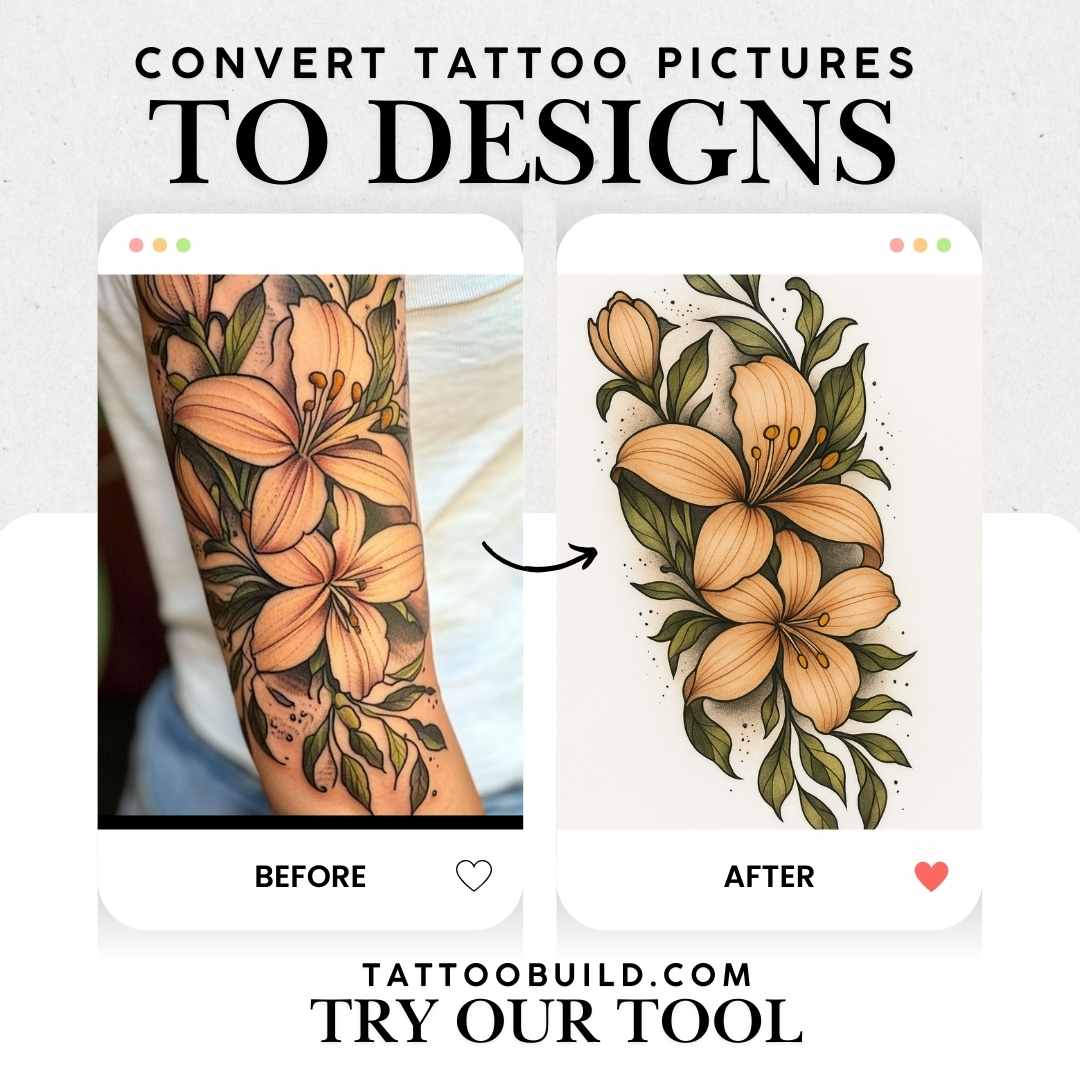
For those who want to incorporate a more decorative element into their vine tattoo, floral designs are a popular choice. Vines naturally complement flowers, and adding blossoms to your vine tattoo can represent growth, beauty, and transformation.

Some common flowers that are paired with vine tattoos include roses, lilies, and daisies, each of which carries its own meaning. For example, roses can symbolize love and passion, while daisies represent innocence and purity. By choosing flowers that hold personal significance, you can create a vine tattoo that tells a deeper story.

Floral vine tattoos often cover larger areas of the arm, making them ideal for a full or half-sleeve design. The combination of winding vines and blooming flowers can create a striking visual effect that captures attention while also conveying meaning.
3. Celtic Vine Arm Tattoos
Celtic vine tattoos are steeped in history and tradition. In Celtic culture, vines, especially ivy and grapevines, were considered sacred symbols of eternity, the interconnectedness of life, and the cycles of nature. A Celtic vine arm tattoo often features intricate knotwork and swirling patterns that represent the infinite and unbroken nature of life’s journey.

These designs are particularly appealing to those with an interest in ancient symbolism or Celtic heritage. The bold, intertwining lines of Celtic knots combined with flowing vine patterns create a tattoo that feels both powerful and elegant.
4. Tribal Vine Tattoos
Tribal vine tattoos blend the natural beauty of vines with the boldness of tribal art. These tattoos typically feature thick, black lines and geometric patterns that create a striking contrast against the skin. Tribal tattoos have deep cultural roots, often symbolizing strength, unity, and spiritual connection.

A tribal vine arm tattoo can be a great option for someone who wants a design that’s both bold and meaningful. The intertwining vines can symbolize personal growth or connection, while the tribal elements represent power and resilience. This combination creates a visually dynamic and symbolically rich tattoo.
5. Realistic Vine Tattoos
Realistic vine tattoos are perfect for nature lovers who appreciate lifelike designs. These tattoos use shading, detail, and color to create a tattoo that looks almost as if it’s been plucked from the natural world. Realistic vine tattoos may include fine details like textured bark, delicate veins on leaves, or the soft petals of flowers.

This style requires a skilled artist who specializes in realism, as the intricate details are crucial to achieving a lifelike effect. A realistic vine arm tattoo can be stunning when done correctly, with the vines appearing to wrap naturally around the arm. Adding small elements like insects, butterflies, or birds can also enhance the overall design and bring the tattoo to life.
Placement Options for Vine Arm Tattoos

When it comes to vine tattoos, the placement is just as important as the design. The flowing, organic nature of vines makes them ideal for wrapping around various parts of the body, especially the arm. Whether you want a small, discreet vine tattoo or a more elaborate full-sleeve design, there are several placement options to consider:
1. Forearm Vine Tattoos

The forearm is one of the most popular placements for vine tattoos because it offers plenty of space for the design to wind and wrap around the arm. A vine tattoo on the forearm can be easily hidden or shown off, depending on the occasion. You can choose to have the vine grow vertically along the arm or wrap around the forearm like a bracelet.
2. Full-Sleeve Vine Tattoos
For those who want a more dramatic effect, a full-sleeve vine tattoo is an excellent choice. A full-sleeve design allows for more intricate details and the inclusion of other elements, such as flowers, animals, or Celtic symbols. Full-sleeve tattoos typically cover the entire arm from the shoulder to the wrist, making a bold and visually impressive statement.
3. Wrist Vine Tattoos
If you prefer a smaller, more subtle design, a vine tattoo on the wrist can be a great option. The wrist is an ideal placement for minimalist vine designs or vine tattoos that wrap around like a bracelet. These tattoos can be simple and delicate, making them a popular choice for those who want a discreet tattoo that’s easy to cover when necessary.
4. Upper Arm Vine Tattoos

The upper arm offers plenty of space for more detailed vine designs. Whether you want a floral vine or a Celtic-inspired pattern, the upper arm provides a great canvas for medium to large tattoos. This area also tends to be less painful than other parts of the arm, making it a popular choice for first-time tattoo enthusiasts.
Adding Personal Meaning to Your Vine Tattoo

One of the best things about vine tattoos is that they can be easily personalized to reflect your own story and experiences. By adding elements such as specific flowers, symbols, or animals, you can create a tattoo that holds personal significance.
1. Adding Names or Initials

A vine tattoo can be a beautiful way to incorporate the names or initials of loved ones into your design. You can have the vine twist around the names, creating a seamless and meaningful tattoo. This is especially popular for those who want to honor family members, partners, or children.
2. Incorporating Dates or Important Symbols

Another way to personalize your vine tattoo is by adding significant dates or symbols. For example, you can include the birthdate of a loved one, the date of an important event, or symbols that represent your personal journey. Combining these elements with the natural flow of vines can create a tattoo that tells a unique story.
3. Using Different Colors

While many vine tattoos are done in black and gray, adding color can enhance the design and add deeper meaning. For example, green vines with red roses can symbolize love and passion, while purple flowers may represent creativity and wisdom. By choosing colors that resonate with you, you can create a tattoo that’s both visually striking and personally significant.
Caring for Your Vine Tattoo
Once you’ve decided on your perfect vine arm tattoo design, it’s important to take care of your new ink to ensure it heals properly. Follow these tips to keep your tattoo looking fresh and vibrant:

- Keep the area clean: Gently wash your tattoo with mild soap and water to prevent infection.
- Moisturize regularly: Use a tattoo-friendly moisturizer to keep your skin hydrated and prevent itching or peeling.
- Avoid direct sunlight: UV rays can fade your tattoo, so be sure to keep it covered or use sunscreen when outdoors.
- Follow your artist’s aftercare instructions: Your tattoo artist will provide specific guidelines for aftercare based on your tattoo and skin type.
Conclusion: Finding Inspiration for Your Vine Arm Tattoo
Vine arm tattoos are a timeless and versatile choice for anyone looking to add meaningful body art. With their deep symbolism, beautiful flowing patterns, and the ability to be customized in countless ways, vine tattoos are perfect for expressing personal growth, strength, and connection.
Whether you prefer a minimalist vine, a floral design, or a Celtic-inspired pattern, the options for a vine tattoo on your arm are endless.