The bicep is the most forgiving tattoo placement on the female arm, and after years of watching friends and clients pick spots, it is the one almost nobody regrets.
It hides under a t-shirt sleeve on a Monday and carries a whole scene on a Saturday.
I have sat through three arm sessions of my own, and the bicep was easily the easiest of them. The skin there is fleshy, the muscle is padded, and there is no bone directly underneath for the needle to rattle against.
This guide covers the styles that actually work on that curve, how inner and outer placement differ, what it costs in time and money, and what I would tell a friend booking her first one. If you are still weighing arm spots generally, the inner arm tattoo ideas guide is a useful companion.
Which Bicep Tattoo Style Is Right for You?
Style choice matters more than subject on this placement, because the bicep flexes and stretches every time you move. Here is how the main options compare in my experience.
| Style | Best Size on the Bicep | Typical Sitting | How It Ages |
|---|---|---|---|
| Fine line / micro-realism | 2-4 inches | 1-2 hours | Softens fastest; usually wants a touch-up within a few years |
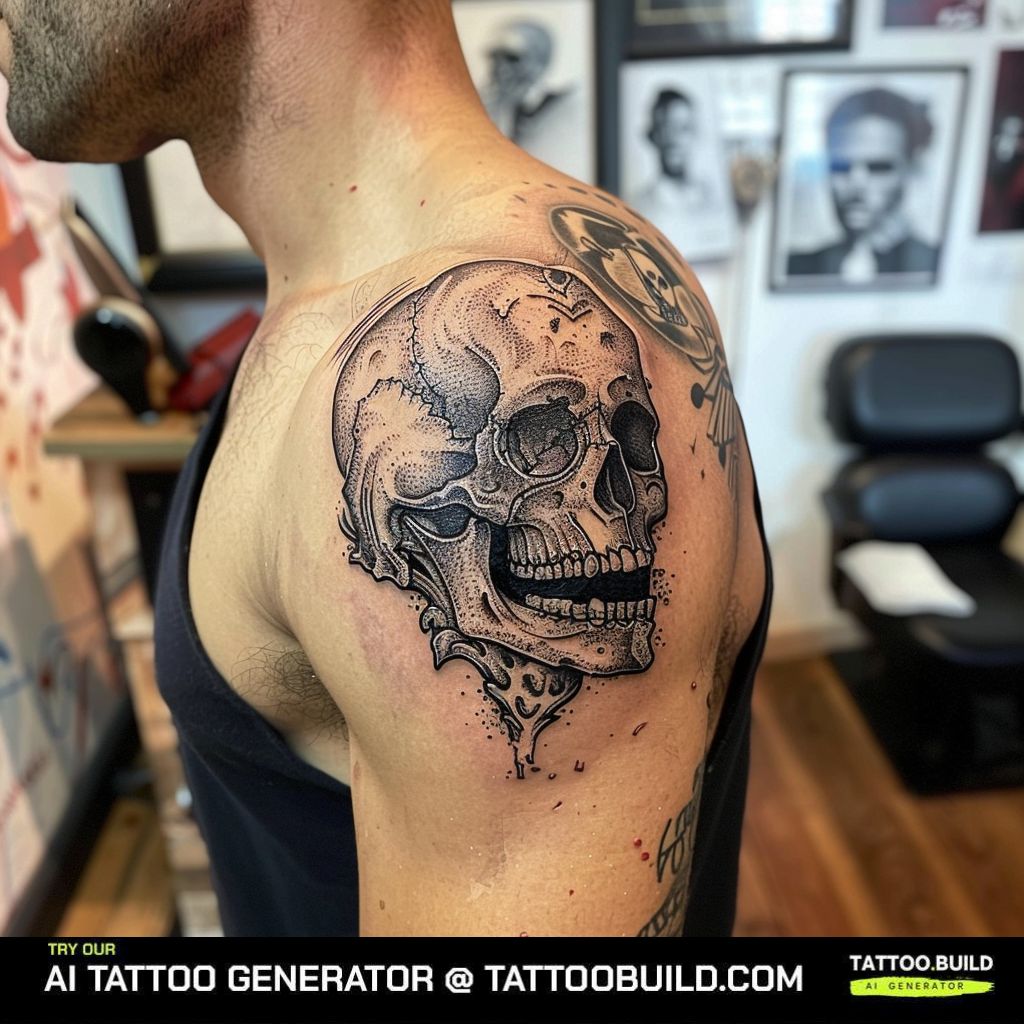
| Black and grey illustrative | 4-7 inches | 3-5 hours | Very well, provided the line weight is not too thin |
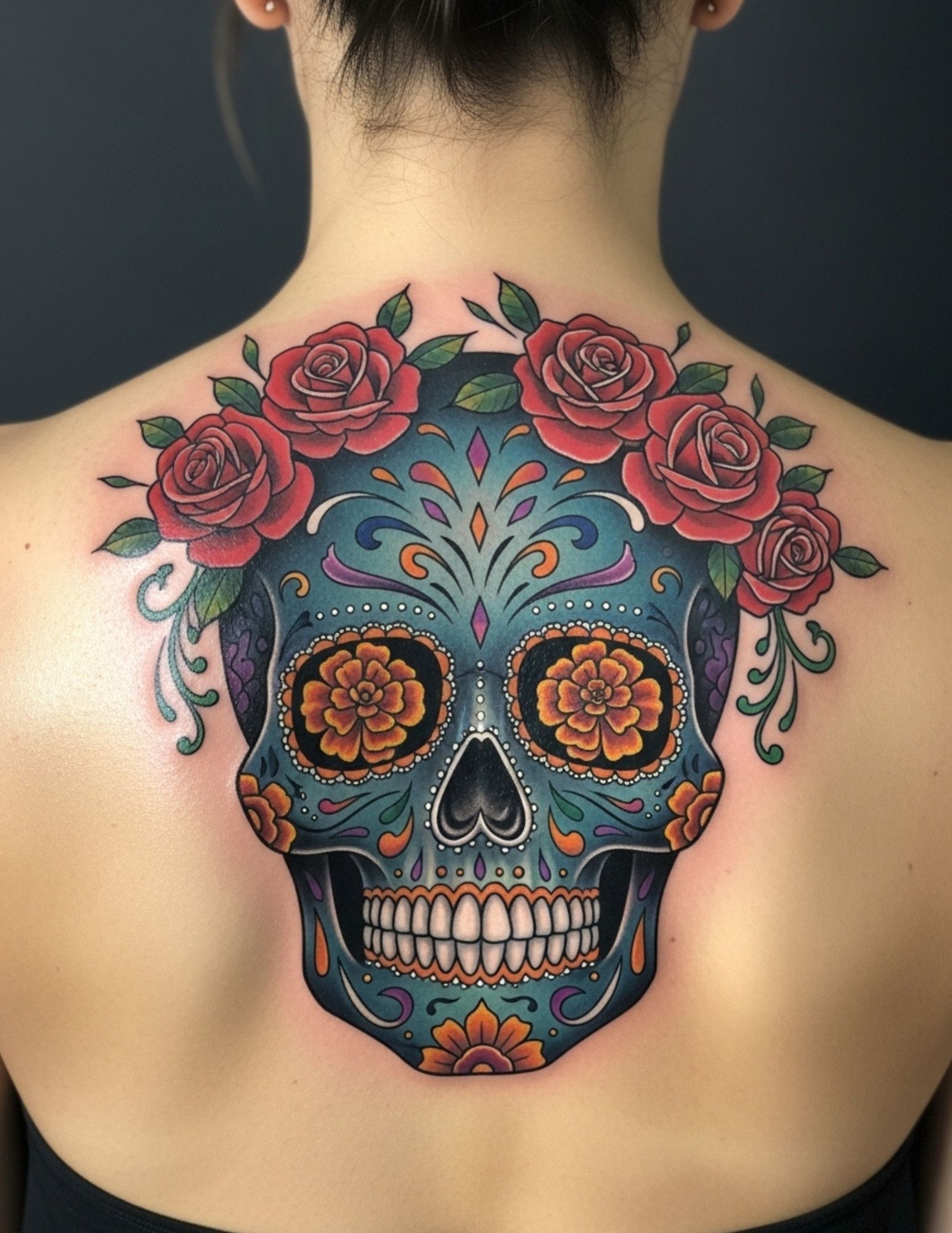
| Bold traditional | 3-6 inches | 2-4 hours | The most durable option by a clear margin |
| Floral botanical | 4-8 inches | 3-6 hours | Good, if the artist keeps some solid black in the design |
| Watercolour / soft colour | 3-6 inches | 2-5 hours | Needs the most sun protection and the most upkeep |
| Ornamental / wrap band | Full circumference | 4-8 hours, often split | Strong, but symmetry must be mapped on the body first |
If you are torn, I would point most first-timers toward black and grey illustrative. It is the middle path: detailed enough to be interesting, sturdy enough to still look intentional in fifteen years.
What Actually Affects How a Bicep Tattoo Ages
The bicep is a low-friction, low-sun-exposure area for most people, which is a large part of why it holds ink well.
Skin that spends most of the year under a sleeve simply fades more slowly. Every artist I have asked ranks sun exposure as the single biggest factor in how a piece looks after a decade.
Weight change and muscle change matter too, though far less than people fear. Meaningful stretching of a bicep tattoo generally requires a large shift in arm size, not the few pounds most of us move up and down each year.
Line weight is the quiet variable. Hairline linework placed close together tends to blur into a soft grey over time as ink spreads slightly under the skin, which is normal healing behaviour rather than bad work.
If you want a design to be legible in twenty years, ask your artist to build in some breathing room between lines. A good artist will already be thinking about this and may push back on a design that is too dense for the size you want.
Bicep Tattoo Ideas for Females, Style by Style
These are the directions I see working most often on this placement, with the practical trade-offs of each.
1. Floral and Botanical Designs
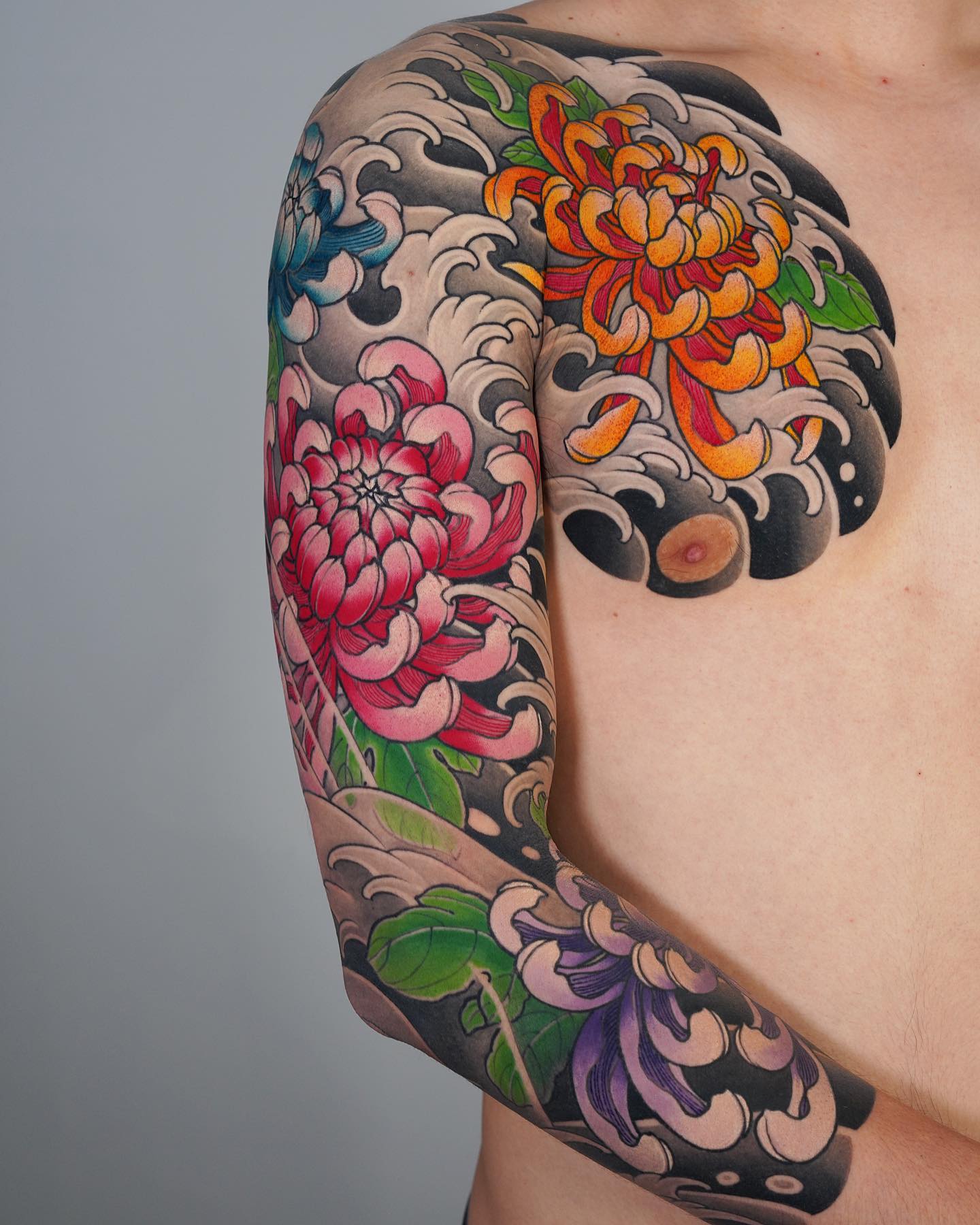
Florals remain the most requested bicep design among women, and there is a structural reason for it beyond taste.
Stems and blooms are naturally elongated, so they follow the vertical line of the upper arm without the artist having to force the composition.
When I asked an artist why she prefers peonies and roses on the bicep specifically, her answer was that the petals give her somewhere to put shading that reinforces the roundness of the muscle rather than fighting it.
Keep at least one solid black element in a floral piece if you can. Pure fine-line botanicals are beautiful fresh but they are the pieces I most often see back in the chair for a refresh. For more direction here, the floral upper arm designs collection is worth browsing.
2. Butterflies and Winged Motifs
Butterflies suit the bicep because a symmetrical shape reads cleanly on a symmetrical plane.
The outer bicep in particular gives you a flat-ish oval where both wings can sit at the same depth, so the design does not distort when your arm is at rest.
I usually suggest placing a butterfly slightly higher than feels natural. Designs sink visually when the arm hangs down, and what looks centred while you are sitting in the chair often looks low once you stand up.
Moths are the underrated alternative. They carry heavier body detail, which means more solid black, which means better longevity. See more directions in our butterfly tattoo ideas guide.
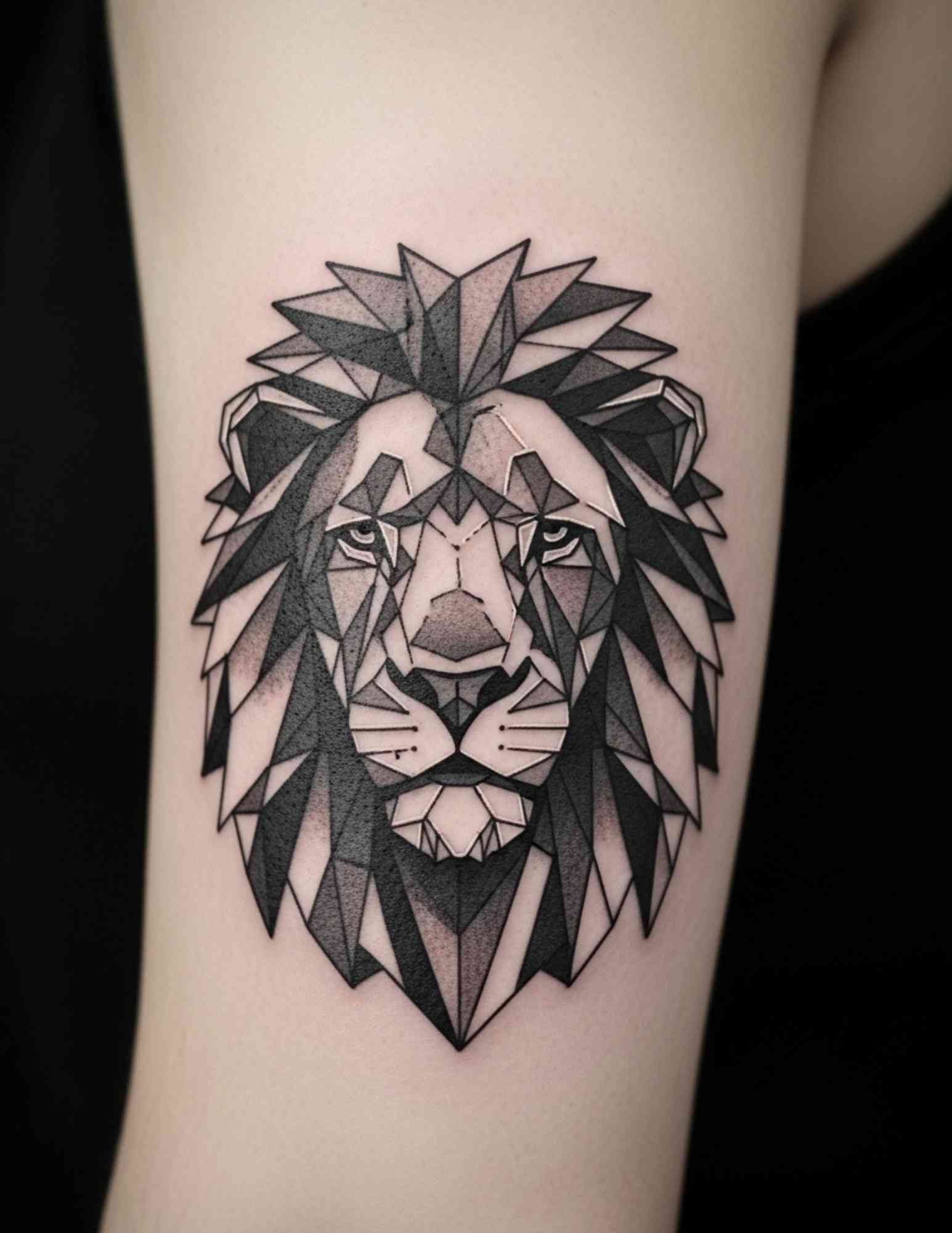
3. Animals and Creature Portraits
Animal pieces need width, and the bicep is one of the few female-friendly placements that offers it without committing to a full sleeve.
Bears, wolves, big cats and horses all work at four to six inches here, where the same subject squeezed onto a forearm would lose its facial detail.
The trade-off is sitting time. A shaded animal portrait is a three-to-five hour appointment for most artists, and that is genuinely a long time to hold one arm still.
Smaller creature work is a real option too. A frog, a fish or a bird at two to three inches makes a charming standalone piece and leaves the rest of the arm open.
4. Celestial: Moons, Stars and Planets
Celestial designs scale better than almost anything else, which is why they turn up so often on this placement.
A moon phase row can run vertically down the bicep at any size you like, and it still looks deliberate whether it is two inches or eight.
Solid black crescents and filled stars are also technically forgiving. There is no fine detail to lose, so these pieces tend to look nearly unchanged years later.
I have seen the best versions of these combine one heavier focal element, like a filled moon, with lighter stippled stars scattered around it for contrast.
5. Fine Line and Minimalist Work
Fine line is the style I get asked about most and the one I am most careful recommending for this spot.
On the inner bicep, where skin is soft and rarely sun-exposed, delicate linework can hold beautifully. On the outer bicep it faces more friction from sleeves and bag straps.
None of that makes it a bad choice. It just means budgeting mentally for a touch-up rather than assuming the piece is finished forever. Our fine line tattoo ideas page covers what holds up best.
Ask to see healed photos, not fresh ones. Any fine line tattoo looks crisp on day one; the honest test is what the artist’s work looks like at the two-year mark.
6. Script, Quotes and Names
Lettering on the bicep runs one of two ways: vertically down the outer arm, or horizontally across the inner bicep where it reads when your arm is turned out.
Vertical script suits longer phrases. Horizontal placement suits a single word, and it is the more private of the two.
Font weight is the thing to argue about. Very thin cursive with tight loops is the most common candidate for illegibility down the road, because the gaps inside letters slowly close.
If the words matter to you, size up. An extra half inch of height costs almost nothing in chair time and buys a great deal of readability. Related: strength tattoo ideas for women.
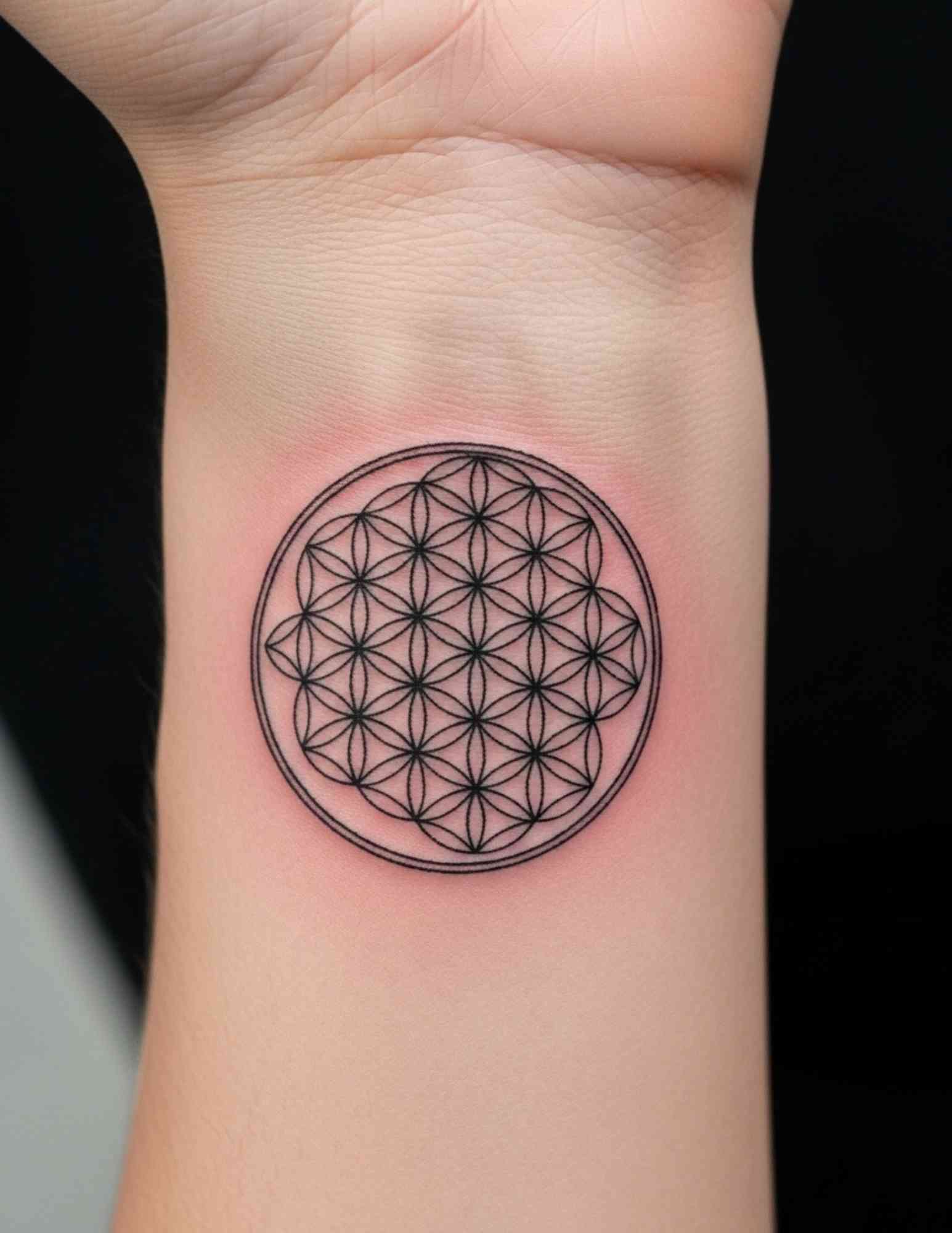
7. Ornamental, Mandala and Band Work
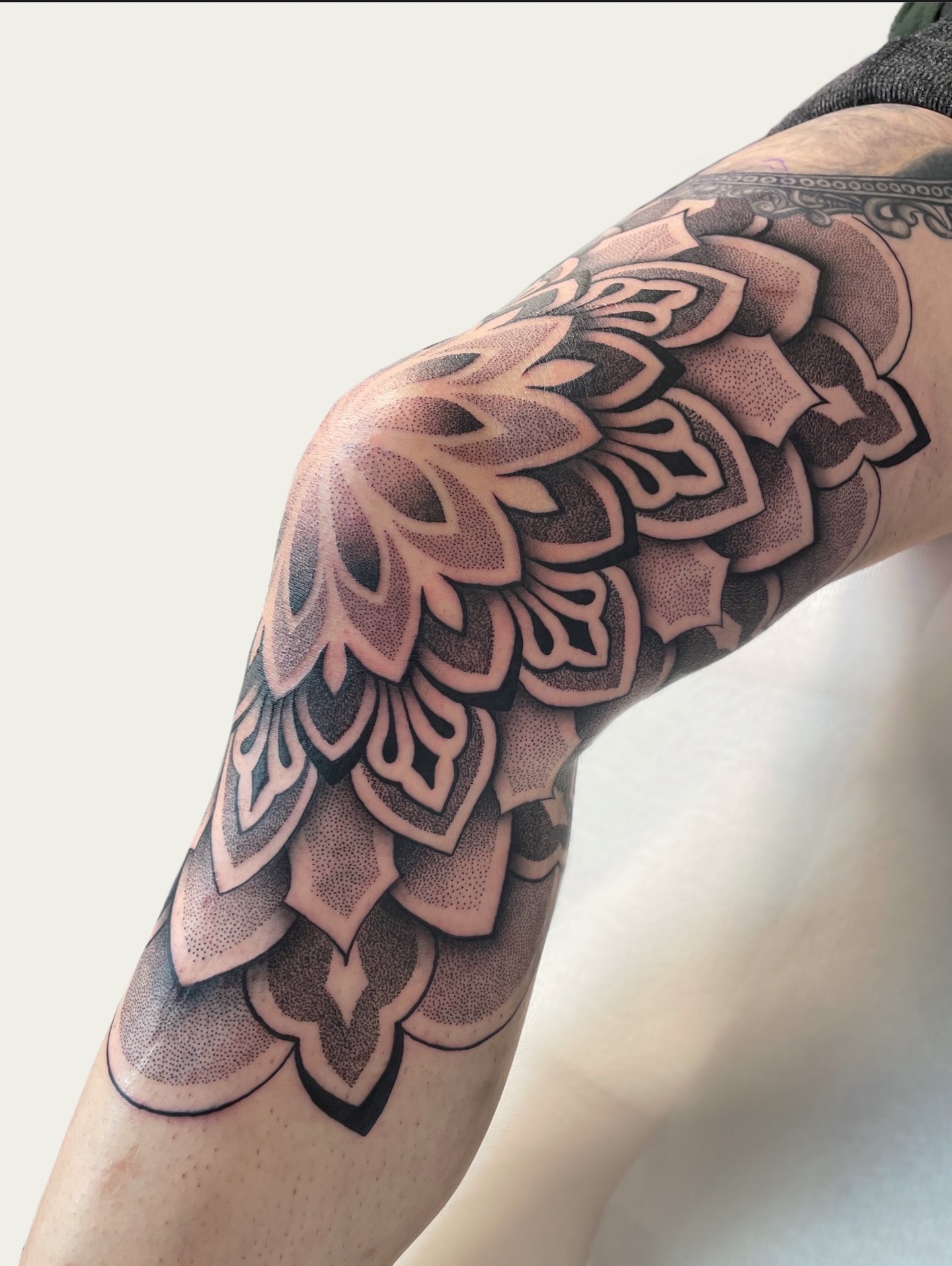
Ornamental work is where the bicep genuinely outperforms other placements, because the arm is a cylinder and ornamental patterns love a cylinder.
A band that wraps the full circumference reads as a piece of jewellery rather than a picture, and it looks equally good from every angle.
The catch is that wrap work has to be mapped on your actual arm with stencil paper, not designed flat on a screen. Expect a longer setup at the start of the appointment.
Budget for two sessions if you are going all the way around. Tattooing the inner arm and the outer arm in one sitting is a lot of continuous work on one limb.
8. Nature Scenes and Landscapes
Landscape scenes need the widest canvas of anything on this list, and the bicep is about the smallest place they work.
Mountains, forests and coastlines all rely on depth, and depth needs horizontal room for foreground and background to separate.
If you love this look but want to stay compact, ask for a framed scene. Containing the landscape inside a circle or an arched shape lets it work at four inches instead of eight.
These are also the pieces that benefit most from colour, if you are open to it, because greens and blues do work that grey wash cannot.
9. Portraits, Hobbies and Personality Pieces
Not every bicep tattoo needs to be a flower or a symbol, and some of my favourite pieces on this placement are the ones that are simply about the person wearing them.
Portraits of musicians, references to a sport, an instrument, a tool of a trade: these read well here because the bicep gives enough room for a recognisable face or object.
Portrait work is a specialist skill, though. If you want a likeness, find an artist whose portfolio is full of portraits rather than an all-rounder who occasionally does them.
Object-based designs are the easier entry point. A single well-drawn item at three inches carries a surprising amount of meaning without demanding a five-hour sitting.
Inner Bicep vs Outer Bicep vs Wrap-Around
Most people say bicep and mean the outer arm, but there are three distinct placements here and they behave very differently.
Outer Bicep
The default. Visible in a t-shirt, easy for the artist to reach, and the least tender of the three.
It also gets the most sun, so this is the placement where daily sunscreen makes the biggest long-term difference.
Inner Bicep
Softer skin, more sensitive, and completely hidden unless you raise your arm. This is the discreet option people choose for workplaces with visible-tattoo policies.
Ink can settle slightly differently on the thinner inner skin. In my experience it heals a touch slower and is worth keeping moisturised for longer.
Wrap-Around Band
A full circumference band is the most striking of the three and the most technically demanding, because the join has to line up perfectly.
It is also the natural first step toward a half sleeve if you think you might keep going. Our sleeve tattoos for women guide shows how bands develop into larger pieces.
Bicep Into Shoulder
Extending upward is the easiest expansion path, because the shoulder cap and the bicep flow into each other without an awkward seam.
If you suspect you will want more later, tell your artist now. They will compose the bicep piece so it can grow, rather than closing it off. See floral shoulder tattoos for how these transitions look.
Aftercare and Longevity: What Actually Helps
Bicep tattoos are among the easier placements to heal, mostly because the area does not bend and flex the way an elbow or a wrist does.
Follow the aftercare your artist gives you rather than anything you read online, including this page. They know the ink, the needle configuration and how deep they worked. If you are unsure about wrapping specifically, our guide on how long to keep a new tattoo wrapped explains the common approaches.
Keep the area clean, use only a thin layer of whatever ointment your artist recommends, and do not pick at flaking skin. The American Academy of Dermatology guidance on caring for tattooed skin covers the same ground from a dermatological angle.
Sun protection is the single highest-return habit for keeping a bicep tattoo sharp. Once the tattoo is fully healed, a high-SPF sunscreen on exposed arms genuinely slows fading.
If you notice spreading redness, swelling that increases after the first few days, pus, or a fever, contact a doctor rather than your artist. Infections and allergic reactions to tattoo ink are uncommon but real, and both the FDA tattoo and permanent makeup fact sheet and the AAD on tattoo skin reactions describe what to watch for. This article is general information, not medical advice.
Common Mistakes and Still Not Sure?
The mistake I see most often is picking a design at the wrong scale. People choose something intricate, then ask for it small enough to hide, and the detail has nowhere to live.
The second is booking on price. A cheaper artist who is not strong in your chosen style costs more in the end, because corrections and cover-ups are harder than originals.
The third is not asking about pain honestly. The bicep is on the gentler end of the scale, but the inner arm is noticeably sharper than the outer. Our most painful tattoo spots breakdown gives realistic expectations.
If you are still deciding, browsing adjacent placements often clarifies things faster than staring at bicep photos. Try classy arm tattoos for women for a broader view of what suits the arm.
And if the answer is simply that you are not ready, that is a legitimate answer. There is no expiry date on a good idea.
Frequently Asked Questions
Do bicep tattoos hurt for women?
Most people find the bicep one of the more comfortable arm placements, because the muscle and fat layer sit between the needle and the bone. The outer bicep is generally the mildest area, while the inner bicep is noticeably sharper for many people due to thinner, more sensitive skin. Pain is individual, though, and factors like sleep, food and stress on the day affect it more than people expect. If you are anxious about it, book a shorter first session so you learn how your body responds.
How much does a bicep tattoo cost?
Cost depends far more on the artist’s rate and the hours involved than on the placement itself. A small two-inch piece is often a shop minimum job, while a detailed half-bicep design can run several hours across one or two sittings. Rates vary widely by city and by the artist’s experience, so the only reliable number is the quote you get from the specific artist you want. Ask for the quote in hours as well as dollars, so you know what you are committing to.
Will a bicep tattoo stretch if I gain muscle or weight?
Meaningful distortion generally takes a large change in arm size rather than ordinary fluctuation. Normal training gains and typical weight movement rarely alter a bicep tattoo in a way that is visible to anyone but you. Very rapid, very large changes can stretch skin enough to matter, which is worth mentioning to your artist if you are mid-transformation. In most cases this is a much smaller risk than people assume before their first tattoo.
How long does a bicep tattoo take to heal?
The surface usually looks settled within two to three weeks, while the deeper layers continue to settle for a few months. During that first stretch you can expect flaking and some itching, which is normal and should be left alone. The inner bicep sometimes takes slightly longer than the outer because the skin is thinner there. Always follow the specific aftercare your artist provides, and see a doctor if you notice signs of infection.
Can a bicep tattoo be hidden at work?
An inner bicep tattoo is hidden by almost any sleeve and even by most short sleeves when your arm is down. An outer bicep piece is hidden by a standard t-shirt sleeve but will show in a tank top or vest. If discretion is the priority, ask your artist to keep the design above the point where a short sleeve ends, and check it in a mirror wearing your usual work clothes before the stencil goes on. That five-minute check saves a lot of second-guessing later.
Quick Summary
- The bicep is one of the least painful and most forgiving arm placements for women.
- Outer bicep is visible and easy; inner bicep is discreet but more sensitive; a wrap band is the boldest and most technical.
- Black and grey illustrative work is the best all-round balance of detail and longevity.
- Fine line designs look stunning fresh but should be budgeted for a touch-up down the line.
- Florals, celestial motifs and ornamental bands all suit the arm’s natural vertical, cylindrical shape.
- Size up rather than down when the design contains lettering or dense detail.
- Sun protection after healing is the highest-return habit for keeping the tattoo sharp.
- Follow your artist’s aftercare, and contact a doctor rather than the studio if you suspect infection.