An evil eye tattoo is one of the few symbols that looks good small, ages well, and still means something specific to the person wearing it. That combination is rarer than it sounds.
I have sat in on a lot of consultations for this design, and the conversation almost always splits the same way. Half the people want the traditional blue nazar. The other half want the idea of the eye, rendered in whatever style they already like.
Both are valid, and they lead to very different tattoos. This guide walks through the meaning, the styles that actually hold up over time, placement trade-offs, and the questions worth asking your artist before the stencil goes on. If you want the wider category, the eye tattoo guide covers eye designs beyond the nazar.
Everything below is design and aesthetic guidance from time spent around studios, not medical advice. Anything to do with healing, reactions, or skin conditions belongs with your artist and, when it matters, a doctor.
Which Evil Eye Tattoo Style Is Right for You?
Style choice drives everything else: session length, cost, and how the piece will look in a decade. Here is how the five most common approaches compare.
| Style | Best Size | Typical Sitting | How It Ages | Good If You Want |
|---|---|---|---|---|
| Classic blue nazar | 2–8 cm | Under an hour | Very well — bold outline holds | The recognisable symbol, nothing else |
| Fine line / minimalist | 2–5 cm | 30–60 minutes | Softens fastest; may need a touch-up | Something discreet and delicate |
| Hamsa & ornamental | 8–15 cm | 2–4 hours | Well if the linework is spaced | A layered protective symbol |
| Geometric & dotwork | 6–15 cm | 2–5 hours | Stipple holds better than grey wash | A modern, graphic look |
| Illustrative with florals or animals | 10–25 cm | 3–6 hours, sometimes two sessions | Depends heavily on artist skill | A full statement piece |
Sitting times above are what I have typically seen quoted by artists for average placements. Your own quote will vary with body area, skin, and how fast the artist works.
What the Evil Eye Actually Means
The evil eye belief is old and geographically wide. Versions of it appear across the Mediterranean, the Middle East, North Africa, and South Asia, and the core idea is consistent: an envious or malicious look can cause real harm.
The amulet is the counter-measure. In Turkish it is the nazar boncuğu; in Greek, the mati. The blue glass bead is the form most people picture, and Britannica’s entry on the evil eye traces the belief back through classical antiquity if you want the scholarly version.
Worth being clear about something: the amulet is traditionally a ward, not a charm that generates luck. It deflects rather than attracts. That distinction matters if you are designing a piece around the meaning rather than the look.
It is also worth knowing that this is a living symbol in several cultures, not a dead one. In my experience, people who grew up with it tend to want it rendered traditionally, and people who did not tend to reach for stylisation. Neither approach is wrong, but knowing which camp you are in makes the design conversation much shorter.
Some people also worry about wearing a symbol from a culture that is not theirs. The evil eye sits on the low-friction end of that spectrum — it is widely worn and widely sold across the countries it comes from — but if it matters to you, reading a little of the background before you commit is time well spent.
Evil Eye Tattoo Ideas That Hold Up Over Time
These are the directions I see most often, ordered roughly from most traditional to most stylised.
1. The Classic Blue Nazar
This is the design almost everyone pictures: concentric rings of dark blue, light blue, white, and a black pupil, sometimes with rays extending outward.
Its strength is that it is almost impossible to get wrong. The shapes are simple, the outlines are bold, and bold outlines are what keep a tattoo readable after a decade of sun and skin turnover.
If you go this route, ask your artist not to shrink it too far. Below roughly two centimetres the rings start to merge as the ink settles, and what was four crisp bands becomes one blue blob.
I have also seen good results with a matte, muted blue rather than a saturated one. It reads less like a souvenir bead and more like a piece of jewellery.
2. Evil Eye With a Hamsa Hand
The hamsa is a separate protective symbol — an open palm, usually symmetrical — and the eye traditionally sits in the centre of it.
Stacking two wards is the most common reason people choose this. It also solves a practical problem: the hamsa gives the eye a frame, which makes small designs look intentional instead of floating.
Watch the symmetry. A hamsa that is even slightly off-axis is very noticeable, and it is one of the few tattoo shapes where the eye immediately catches an error. Ask to see the stencil placed on your skin and check it in a mirror before anyone starts.
Ornamental filigree around the hand is where this design earns its cost. If you like layered symbolic work, the Shiva tattoo guide covers a similar ornamental tradition.
3. Floral Evil Eye Designs
Adding flowers changes the tone of the piece. The ward stays, but the composition reads softer and more personal.
Roses are the default, though I would push you toward something with meaning to you — a birth flower, or a plant from somewhere that matters. Design-wise, almost any flower works as long as the eye stays the focal point.
The mistake I see most is florals crowding the eye until it disappears into the pattern. A good rule: keep clear negative space in a ring around the eye so it still reads at arm’s length.
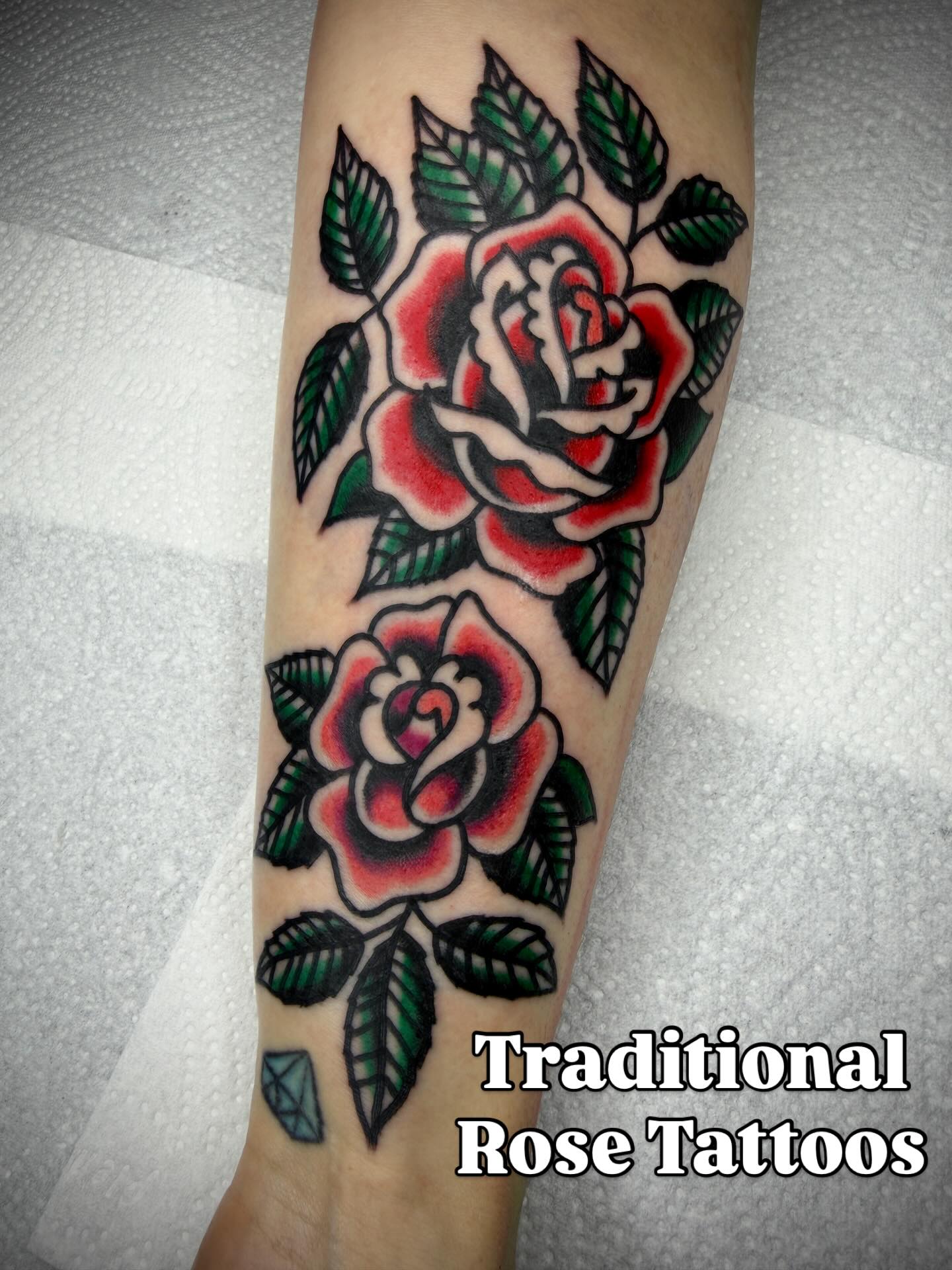
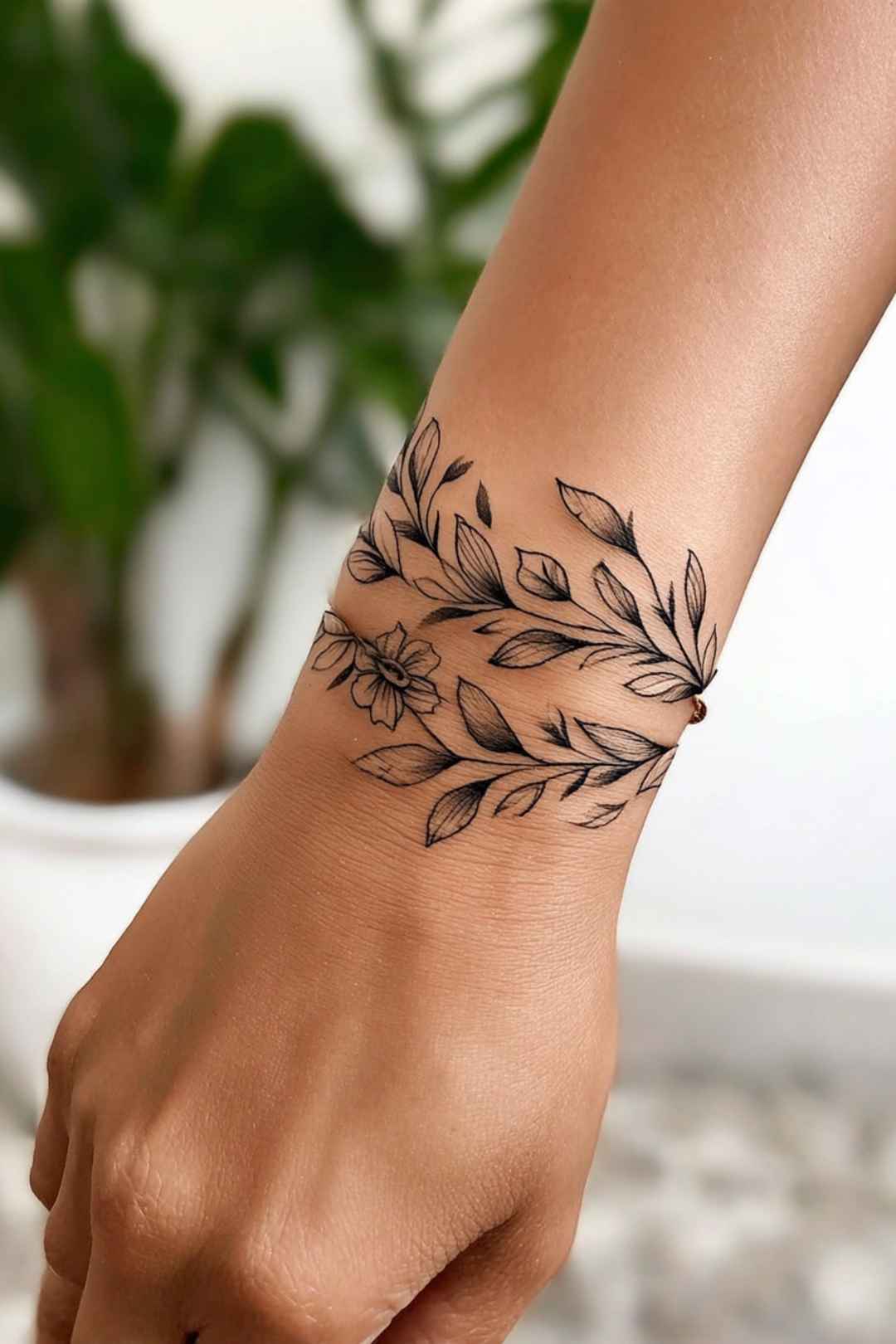
Vines suit limbs because they follow the curve of the arm or calf naturally. Symmetrical botanical frames suit flatter areas like the sternum or upper back. If you are leaning floral, the rose tattoo collection is a useful reference for shapes that tattoo well.
4. Geometric and Line-Based Interpretations
Geometric versions strip the eye down to triangles, arcs, and straight lines. They look modern and they suit people who want the symbol without the folk-art colour palette.
This style is unforgiving. A wobble in a straight line or a slightly asymmetric triangle shows immediately, so portfolio-checking matters more here than almost anywhere else.
Ask specifically to see healed photos of straight-line work, not fresh ones. Fresh linework always looks sharp; healed linework is the real test. The broader geometric tattoo designs guide is worth a look for composition ideas.
Diamond and hexagonal frames are the easiest modernising move if you want geometry without abandoning the traditional eye shape entirely.
5. Dotwork and Mandala Framing
Dotwork builds tone out of stippled dots rather than solid shading, and in my experience it ages more gracefully than a light grey wash, which tends to fade patchily.
Mandala framing takes a small symbol and turns it into a centrepiece. The eye sits at the middle, and radiating ornamental petals expand outward to whatever size you want.
The practical advantage is scalability. You can start with the eye and a single ring, then add rings in later sessions if you want it larger — something I have seen work well for people nervous about committing to a big piece.
Be realistic about time. Dense dotwork is slow, and the dotwork tattoo guide gives a sense of how much detail these pieces carry.
6. Evil Eye With Animal Elements
Pairing the eye with an animal adds a second layer of meaning, and some animals fit the protective theme so naturally that the combination barely needs explaining.
Owls are the easiest pairing — watchfulness is already their whole thing. Snakes bring transformation and shed-and-renew symbolism; the snake tattoo meaning guide goes into that properly.
Lions read as strength and guardianship, and they scale up well. A lion with an eye worked into the mane needs real estate, though — upper arm, thigh, or back rather than a forearm.
The composition risk here is competition. If the animal is rendered realistically and the eye is stylised, they fight each other. Pick one visual language and keep both elements inside it. There are more options in the lion tattoo collection.
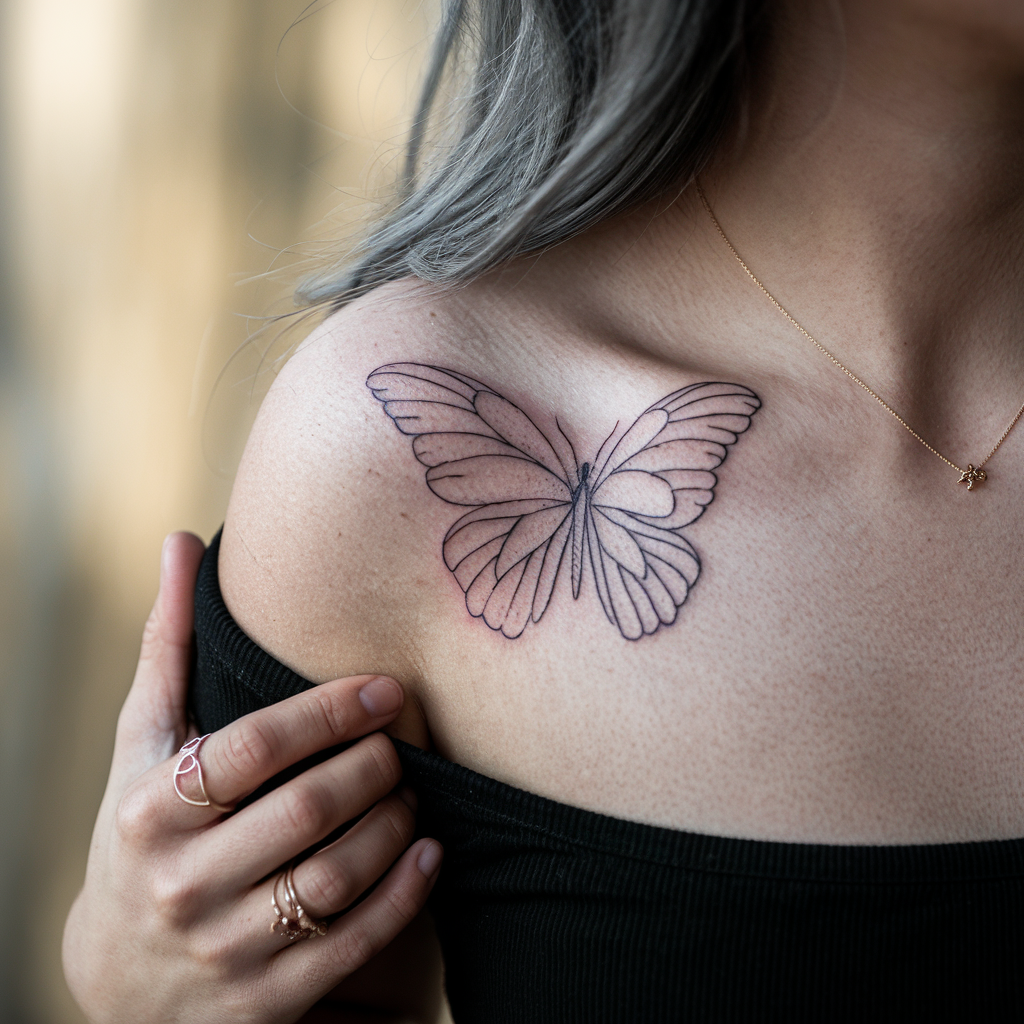
7. Micro and Fine Line Versions
Small evil eye tattoos are popular for a reason: the symbol is simple enough to survive being shrunk, at least more than most designs are.
That said, fine line work fades faster. Thin needle groupings deposit less ink, and high-friction or high-sun placements accelerate the softening. Plan for a touch-up somewhere in the first few years and you will not be disappointed.
Inner wrist, behind the ear, and the back of the arm are the placements I see most. The female wrist tattoo guide covers what works in that area specifically.
One honest caveat: if you want something tiny and detailed, you usually have to pick one. Ask your artist what the smallest size is that still holds the detail you want, and trust the answer.
Placement Options and What Each One Costs You
Placement is not just an aesthetic decision. It changes pain, healing, fade rate, and how often you will actually see the tattoo.
Forearm and Inner Arm
The most forgiving option. Reasonable pain, easy to keep clean, heals predictably, and you see it constantly — which matters for a symbol you chose for its meaning.
The inner arm gets less sun, so colour holds longer there than on the outer forearm.
Behind the Ear and Neck
Discreet and popular, but honestly one of the faster-fading spots for fine detail. Skin there is thin, and hair products and collars work against it.
If you want fine line behind the ear, budget for a touch-up. That is not a reason to avoid it, just something to know in advance.
Ankle and Foot
Visually great and easy to cover. Practically, the healing period is the hardest of any common placement because socks and shoes rub the area constantly.
Plan the timing around a stretch when you can wear loose footwear, or expect a rougher heal.
Sternum, Ribs, and Spine
These suit larger symmetrical designs — mandala framing especially. They also hurt considerably more, and rib pieces often need a second session simply because sitting through it in one go is unpleasant.
Spine placement lines up beautifully with vertical ornamental designs, but movement in that area means linework should not be too delicate.
Aftercare and Keeping the Colour
Follow the aftercare your artist gives you over anything you read online, including this. They know their ink, their technique, and your skin as it looked on the day.
The general shape of it is consistent, though: keep it clean, keep it lightly moisturised, do not pick the flaking, and stay out of pools, lakes, and baths until it has closed up. Showers are fine.
Sun is the single biggest long-term threat to a coloured evil eye tattoo. Once healed, sunscreen on the area is the cheapest thing you can do to keep the blues from going grey. The American Academy of Dermatology has practical guidance on caring for tattooed skin.
If something looks wrong during healing — spreading redness, heat, swelling that increases rather than decreases, discharge, or a fever — that is a doctor’s question, not a forum question. Contact your artist and see a medical professional. Allergic reactions to specific pigments happen too, and the FDA’s consumer guidance on tattoos explains what is known about tattoo ink safety.
Never attempt to remove or alter a tattoo yourself. Removal is a clinical procedure, and home methods cause scarring.
Still Not Sure Which Direction to Go?
A few things that tend to unstick the decision, based on consultations I have watched go well and badly.
- Start from your existing tattoos. If you already have blackwork, a bright blue nazar will sit oddly. Match the visual language you already own.
- Draw it at actual size on paper and tape it where you want it for a day. It sounds silly and it works.
- Bring reference images of what you don’t want as well as what you do. Artists find that more useful than another folder of the same design.
- Ask about the healed result, not the fresh one. Any good artist will tell you honestly how a design will settle.
If the eye is not quite landing for you, other protective and symbolic directions are worth browsing — the demon tattoo guide covers darker symbolic imagery, and minimalist tattoo work suits anyone who wants meaning without visual weight.
Frequently Asked Questions
Is it disrespectful to get an evil eye tattoo?
For most people, no. The evil eye is a widely shared symbol across Mediterranean, Middle Eastern, North African, and South Asian cultures, and it is openly worn and sold throughout those regions. It is not tied to a closed religious practice the way some other symbols are. That said, if it matters to you, read a little about its background first and be able to say why you chose it. Being able to answer that question is usually the difference between wearing a symbol and borrowing one.
Does an evil eye tattoo bring good luck?
Traditionally, no — it deflects rather than attracts. The amulet is understood as a ward against the harm caused by an envious look, not as a charm that generates fortune. Plenty of people wear it as a general protective or good-fortune piece anyway, and there is nothing wrong with that. But if you are designing around the meaning, the deflection idea is the more accurate one to build from.
How small can an evil eye tattoo be?
In my experience, roughly two centimetres is where the classic multi-ring nazar starts to lose definition as the ink settles over the years. Simplified or fine line versions can go smaller because there are fewer bands to merge. Ask your artist for the smallest size that preserves the detail you actually want — they will have a specific number for their own technique. Going below it usually means a touch-up sooner rather than later.
Do coloured evil eye tattoos fade faster than black ones?
Generally yes, and sun exposure is the main reason. Blues hold up better than some colours but still lift over time, particularly on high-sun placements like the outer forearm or ankle. Daily sunscreen on healed tattoos is the most effective thing most people can do about it. Black and grey work fades too, just more slowly and more evenly.
How much does an evil eye tattoo cost?
It depends almost entirely on size, style, and your artist’s rate, which varies enormously by city and by reputation. A small single-session nazar is at the cheap end of custom tattooing; an ornamental hamsa or dense mandala piece running several hours costs considerably more. Ask for a quote at consultation rather than working from an online estimate, and be wary of quotes that seem unusually low for the detail involved.
Quick Summary
- The evil eye is a ward — traditionally it deflects harm rather than attracting luck.
- The classic blue nazar ages best because bold outlines survive; keep it above roughly two centimetres.
- Hamsa pairings give small designs a frame, but symmetry errors show badly — check the stencil in a mirror.
- Floral versions work as long as you keep clear negative space around the eye so it stays the focal point.
- Geometric and straight-line styles demand a specialist; ask to see healed linework, not fresh photos.
- Dotwork and mandala framing scale up in stages, which suits anyone nervous about committing to size.
- Forearm and inner arm are the most forgiving placements; ankle and behind-the-ear fade and heal hardest.
- Sunscreen on healed colour work is the cheapest thing you can do to keep the blues from going grey.